
Research

Redefining obesity
December 1, 2025
New obesity treatments must factor in the complexity of the condition and the connection to chronic disease.
Better together
December 1, 2025
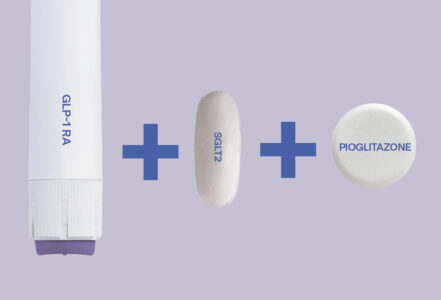
Dr. Ralph DeFronzo proposes treating diabetes with combination drug therapy rather than single medications. His research highlights pioglitazone, a powerful but underused insulin sensitizer, which, when paired with GLP-1 agonists and SGLT2 inhibitors, can control diabetes in up to 95% of patients.

Bold research aims to halt liver disease before it turns deadly
December 1, 2025
Researchers, including Dr. Luke Norton and Dr. Madesh Muniswamy, are leading efforts to understand and prevent metabolic dysfunction-associated steatotic liver disease (MASLD) and steatohepatitis (MASH).

Early diabetic kidney disease detection can help prevent irreversible damage
December 1, 2025
Dr. Kumar Sharma’s team at the Center for Precision Medicine is uncovering how high glucose damages kidney cells and leads to diabetic kidney disease.

Advances in preventing and treating diabetic neuropathy
December 1, 2025
Dr. Lee Rogers and Dr. Monica Verduzco-Gutierrez lead research and care to prevent diabetic neuropathy and limb amputations with new remote monitoring technologies.

Centers bring together science and care to take on diabetes and metabolic disorders
November 30, 2025
The Center for Molecular Metabolism and the newly opened Center for Excellence in Diabetes, serve as important hubs that foster communication and collaboration among investigators and help turn research findings into real-world impact.

Uncovering hidden biology of childhood obesity to target prevention strategies
November 30, 2025
Dr. Lily Dong’s research focuses on the unique biology of childhood obesity, emphasizing that children’s metabolism and fat regulation differ from adults.

The incretin revolution
November 30, 2025
GLP-1–based incretin drugs like semaglutide and tirzepatide are transforming obesity and Type 2 diabetes care by mimicking gut hormones that regulate insulin and appetite. However, they’re costly and weight often returns when treatment stops. Researchers at UT Health San Antonio are studying how to make incretin therapies longer lasting and more effective, including combining them with drugs that improve leptin sensitivity and metabolism.

Dean’s Report
July 29, 2025
The Dean’s report spotlights key milestones in education, care delivery, research and philanthropy that create a stronger future for nursing.

Bright futures begin at SUNRISE
July 29, 2025
With mentorship and real research opportunities, the SUNRISE program is helping nursing
students discover their voice — and their potential to change health care.

Recognizing excellence across the School of Nursing
July 28, 2025
Their work shapes students, strengthens communities and sets new standards in health care. These awards reflect the excellence behind every achievement.

Looking beyond opioids
February 7, 2025
A revolution in pain exploration has been launched with the school’s new Center for Pain Therapeutics and Addiction Research. Interdisciplinary collaboration is helping investigators study non-opioid treatments for chronic pain and how diet and stem cells can help alleviate suffering.