The shy country boy with an iron will
How one man’s resolve shaped San Antonio’s health and history
Pat Ireland Nixon didn’t go out of his way to stir up trouble. He simply followed his moral compass.
It was that compass that led a shy, sickly country boy down a path that would help change the course of San Antonio’s future.
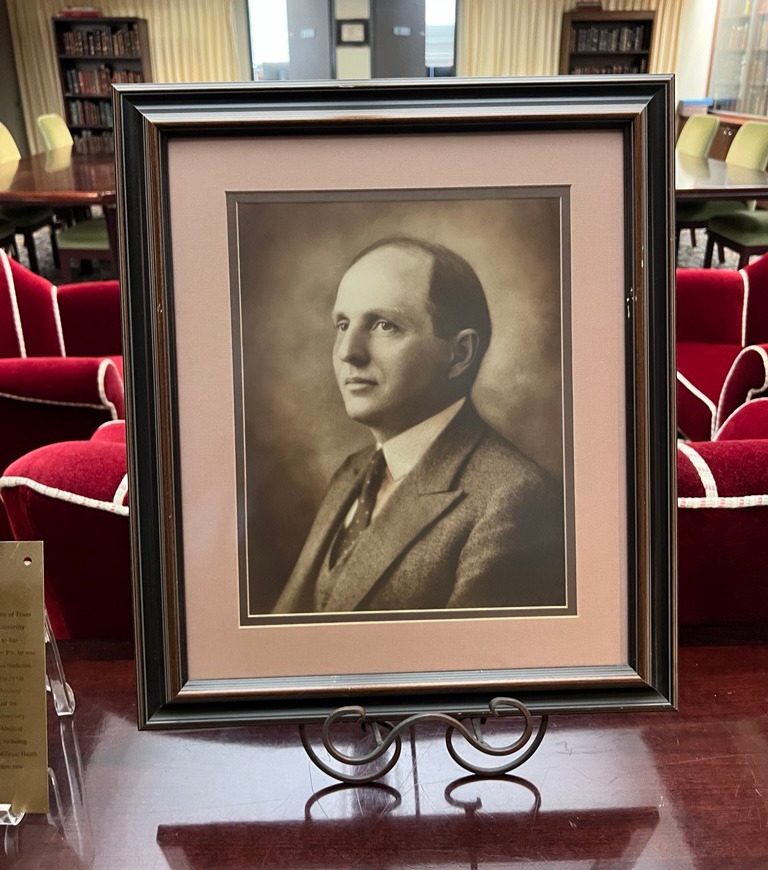
Raised in Texas’ Guadalupe County, Nixon would later become one of San Antonio’s strongest advocates for responsible public health and leave an enduring educational legacy through the Bexar County Medical Library Association, which he founded to preserve older medical books for future generations. Today, many of the collection’s rarest books — with the oldest dating back to the 15th century — are housed at the P.I. Nixon Medical Historical Library at The University of Texas at San Antonio’s Health Science Center.
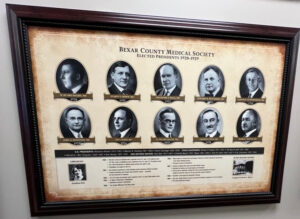
"Dr. Pat Ireland Nixon was far more than an accomplished physician," said Melody Newsom, CEO and executive director of the Bexar County Medical Society, an organization Nixon helmed in the 1926. "He was a historian, author, collector and visionary who understood that preserving the past strengthens the future. His passion for medicine, literature and Texas history profoundly influenced both the medical profession and the documentation of healthcare in our state."
Nixon’s character and sense of purpose were shaped by his childhood and later, mentors at Johns Hopkins University School of Medicine. Those influences would guide him toward a life’s work that helped shape San Antonio’s public health and preserve its medical history.
From open fields to city streets
Born on Nov. 29, 1883, in Old Nixon, Texas, a small community about 50 miles southeast of San Antonio, Pat Ireland Nixon was named after a man his father respected, then-Texas Gov. John Ireland.
Interestingly, The University of Texas at Austin opened its doors during Gov. John Ireland’s administration, the same year Nixon was born and decades later, the governor’s namesake would walk the university’s halls as a student.
One of more than a dozen children, the youngster grew up in a household where honesty, strength of character, integrity and hard work were valued.
His early years unfolded amid a carefree country life, where days were often spent hunting, fishing and exploring the outdoors. But when his family moved about six miles north to Luling, Texas, the transition to town life was fraught with some obstacles for the 12-year-old. A long bout with typhoid fever, followed by his father’s unexpected death in 1897, deepened the difficulty. Still, Nixon gradually found his footing, according to his autobiography, Pat Nixon of Texas.
Among the steady influences in his life was his older half-brother, James Wesley Nixon, MD, whose example left a lasting impression. He emphasized frugality and hard work and helped awaken in Nixon a desire to follow him into the field of medicine.
Nixon did well in his studies. While seeking his bachelor’s degree at The University of Texas at Austin, he met his future wife, Olive Gray Read of Mineola, Texas, at a church social.
After graduating, Nixon attended Johns Hopkins University School of Medicine in Baltimore. There, Canadian physician, Sir William Osler, MD, one of the “Big Four” founding professors at the school, sparked his affinity for historical texts and the collection of rare medical books.
"[Dr. Osler’s] love for literature and history was highly contagious," Nixon stated in his autobiography. "Anything which I may have achieved along the line of medical history is traceable directly to the influence of Dr. Osler."
While in Baltimore, Nixon remained in continual communication with Read. Through letters, the couple kept their relationship alive, understanding that their engagement would be a long one. Together, they looked forward to their future in San Antonio, a city growing into a major metropolitan center.
On Oct. 1, 1911, Nixon “timidly opened” his San Antonio practice. The next year, the couple married and later had four sons: Pat I. Nixon Jr., Robert Read Nixon, and twins Benjamin Oliver and Thomas Andrews Nixon.
'A festering sore on the face of San Antonio'
Nixon was a humble and principled man, but as a caring doctor and citizen, he couldn’t ignore the unacceptable state of public health in the Alamo City and advocated for better conditions.
Not only were ailments like infant diarrhea and syphilis widespread, but for decades, San Antonio had “the highest tuberculosis mortality rate of any city of the country and the condition was accepted as normal,” Nixon stated in his autobiography.
In 1928, Nixon gladly accepted an appointment to the San Antonio Board of Health and would continue to serve on local health boards for the next two decades. During his time on the health boards, he pressed for stronger public health protections but faced some political headwinds.
By 1938, Nixon became more vocal about the city’s dire public health conditions, providing a raw description of the West Side “as a festering sore on the face of San Antonio,” a portrayal included in the Feb. 25, 1938, edition of the San Antonio Light, according to Nixon’s autobiography.
He also voiced his concerns at rallies and over radio broadcasts. Eventually, his advocacy, alongside the efforts of others, helped spur the city’s eventual shift to a council-manager form of government and perhaps most meaningful to Nixon as a physician, contributed to a decline in the city’s high incidence of disease.
Preserving the past, inspiring the future
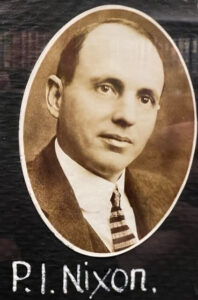
Recognized for his skill and dedication as a general practitioner and surgeon, Nixon’s legacy reached far beyond the practice of medicine, extending into the cultural and intellectual life of Texas. He was elected president of the Bexar County Medical Society in 1926 — an organization providing advocacy, professional support and leadership development for physicians.
A noted author of Texas history and the state’s medical history, including a book on the history of the Texas Medical Association, he helped found the San Antonio Historical Society in 1939, later serving two terms as its president. His reputation as a thoughtful historian grew through his leadership with the Texas State Historical Association, where he became known as one of the organization’s most effective presidents.
Across civic, scholarly and professional circles, Nixon’s influence was reflected in his service as president of the Philosophical Society of Texas in 1946 and the Texas Surgical Society in 1956.
Library collection keeps medical history within reach
In 1919, Nixon was instrumental in founding the Bexar County Medical Library Association, the charitable foundation affiliated with the Bexar County Medical Society, becoming its chairman a year later, according to his autobiography.
"Dr. Nixon recognized that today's medical achievements become tomorrow's history," Newsom said. "Without his dedication to documenting the evolution of medicine in San Antonio, the development of the Texas Medical Association and the contributions of countless physicians, much of that history might have been lost. His legacy continues through the preservation of historical collections, the ongoing work of the medical library association, and the researchers, students, physicians and historians who continue to study and learn from these invaluable resources."
The library’s holdings and collection of rare medical books increased with book donations and purchases with the association’s funds. Many of the books were acquired with income from the sale of Nixon’s books.
In 1961, the medical society constructed a larger building to accommodate its expanding library. As the association’s rare books grew in value and significance, protecting them from fire and theft became increasingly important.
When the library at the university offered to house the books, the medical society donated about 2,000 volumes from the collection to the university in 1970 and a special rare medical books library was established within the larger library. In 1983, a new library opened on the university's campus and the P.I. Nixon Medical Historical Library was housed on its fifth floor in honor of Nixon’s diligent efforts to build the collection.
Today, the library has amassed a collection of over 6,000 volumes of rare books. The collection is particularly rich in the fields of ophthalmology, surgery and anatomy.
A legacy that earned lasting admiration
Nixon’s dedication to medicine, history and public service earned admiration from colleagues, scholars and civic leaders alike.
During a celebration for his 75th birthday in 1958 — the same year the UT System celebrated 75 years in existence — Harry Ransom, who would later serve as the UT System’s chancellor from 1961–67, provided a tribute honoring Nixon. "Texas medicine, and all the rest of us, are indebted to [Pat Ireland Nixon] for more than impressive history; we are indebted to him for humanity, for the grace of memory and the power of insight and the promise of vision," Ransom stated, according to Nixon’s autobiography.
For half a century, Nixon helped shape the practice of medicine in San Antonio, diligently caring for his patients, affably working with colleagues and civically engaged in the welfare of his community. As he later reflected on the enduring ideals of medicine, he emphasized the importance of preserving public trust and never taking that confidence for granted.
"I have tried to make my contribution toward increasing the goodwill and confidence of the people in doctors," he stated. "The people believe in us. We must not fail them."
Nixon died on Nov. 18, 1965, 11 days before his 82nd birthday. In his commitment to helping others, he raised awareness and helped bring about better public health conditions in San Antonio, and through his love of books, he created a legacy for medical history, preserving the knowledge and ideals that continue to connect generations of physicians and learners to the profession’s past.
Learn more about the P.I. Nixon Medical Historical Library.
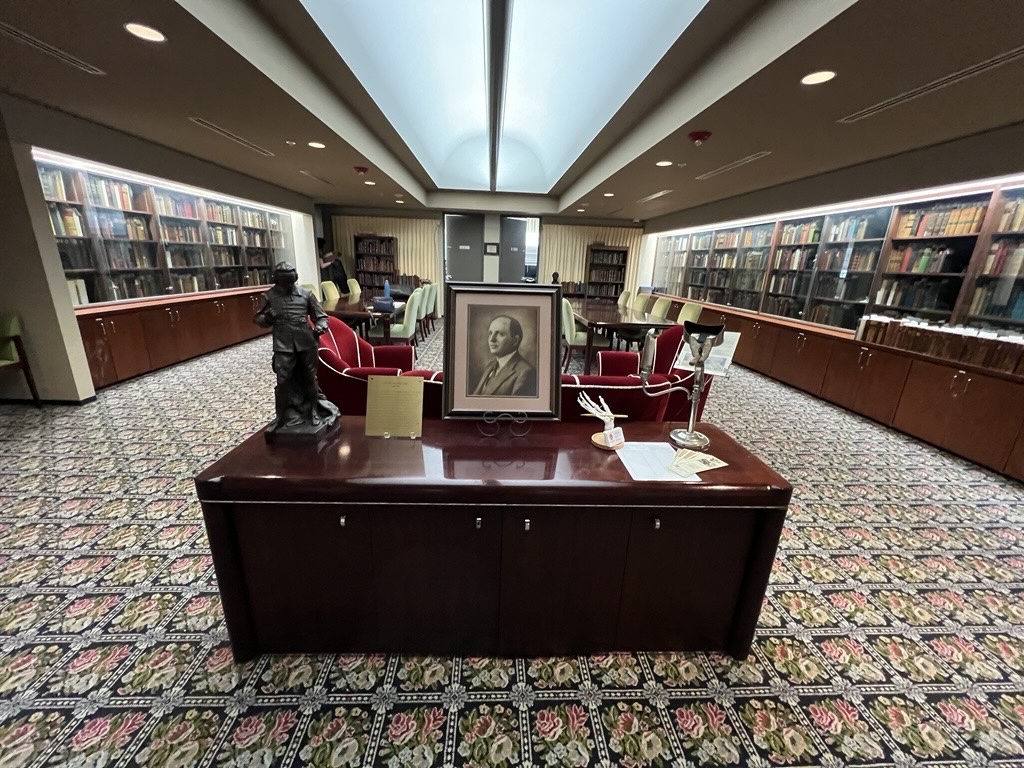
Inside a library where medical history teaches future physicians
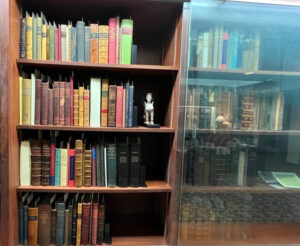
On the fifth floor of the Dolph Briscoe Jr. Library at The University of Texas at San Antonio’s Health Science Center, more than 6,000 rare medical books and artifacts line the shelves and rest behind glass, filling a small but remarkable library with the weight and wonder of medical history. The extraordinary collection offers visitors a tangible portal into centuries of discovery, and a firsthand reminder of how the past continues to shape medical education today.
Named for prominent San Antonio physician, historian and rare book collector Pat Ireland Nixon, MD, the P.I. Nixon Medical Historical Library reflects the physician’s lifelong devotion to preserving the stories, ideas and debates that shaped medicine. With the oldest book dating back to the 15th century, the collection invites visitors to trace the evolution of medical thought and practice, from once-accepted beliefs to the breakthroughs that redefined the field.
"This special library provides access to original and often rare primary sources," said Diane Fotinos, senior curator for special collections and archives at the P.I. Nixon Medical Historical Library. "There is something uniquely meaningful about viewing these materials in person. Each volume or artifact preserves not only what people knew, but how they thought, questioned and cared for one another in their own time. Encountering these works firsthand creates a tangible connection to the people and ideas that shaped history — an experience that cannot be fully replicated in a digital environment."
Where medical history comes to life
Nixon’s legacy of preservation has made the library more than a repository of rare texts; it has become a living resource for teaching, connecting today’s students with the physicians, anatomists and thinkers whose work helped shape modern medicine.
For faculty members like Laura Johnson, PhD, clinical associate professor in the Department of Cell System and Anatomy, the library offers a way to bring history off the page and into students’ hands.
As part of her anatomy course for master’s students, she discusses body donation and ethics and brings learners to the library to get a firsthand look at centuries-old texts to bring medical history to life.
"To have a resource like this is simply unparalleled because I have the opportunity to show students the real thing," Johnson said. "I'm giving them this background. I'm giving this history. 'Here's the actual book that someone put together.' It humanizes it for the student because it forces them to understand it's not this theoretical concept, but that somebody had to innovate … and it was just a regular flesh and blood person, just like you and me."
Johnson hopes that seeing these texts firsthand will empower her students to recognize their place in the legacy of learning and, like those who came before them, to see themselves as the medical pioneers of the future.
Kaitlyn Turner was among the students who visited the library while taking Johnson’s anatomy course, where centuries-old texts brought the history of anatomy into sharper focus.
"[The library visit] gave a ton of context to my own learning and it's a great way to connect to this field in a way that's different than what you're experiencing in a classroom or in a clinical setting," Turner said.
That kind of reflection is exactly what the library has inspired across generations of learners. In addition to Johnson, other faculty members have recognized the library’s power to deepen students’ understanding of the field by placing centuries of medical discovery directly before them.
For many years before retiring in 2017, Charleen Moore, PhD, professor emerita, Department of Cell Systems and Anatomy, taught the history of anatomy among other courses, taking her students to the historical library during their final class to see, touch and personally experience the books they discussed over the semester.
"To me, taking the students [to the library], showing them the history of medicine right in front of their eyes and looking at the books and reading some of the stories of the early physicians … I think just brings out the humanity as well as the skills developed over the centuries."
Moore recalls her students being particularly excited about seeing Robert Hooke’s 1667 edition of Micrographia, a classic text that includes the first scientific observations made through a microscope.
Hooke first used the word "cell" in a biological sense to describe the microscopic structures he saw in the thick, spongy bark of a cork tree, the first time that cells were ever noticed, Moore said. “He realized these little cells helped explain the way cork could float and could be compressed as in our use of cork in sealing wine bottles,” she said, adding that her students really enjoyed that day with all the exceptional books at the library.
History unfolding before the eyes
On Johnson’s initial visit to the library, she was especially enthusiastic about seeing the rare first edition of Flemish physician Andreas Vesalius’ De humani corporis fabrica libri septem (On the Fabric of the Human Body in Seven Books). The groundbreaking book, published in 1543, helped advance the field of human anatomy.
"It's so special to have the real … first edition Vesalius," she said. "I've even taken visiting speakers who are anatomists from other institutions up there and they're like, ‘whoa, I've never seen [a first edition] before.’"
Considered the crown jewel of the library’s collections, Vesalius’ book is among the most important in Western medicine. It marked a departure from the prevailing anatomical theory advanced by ancient Greek physician Claudius Galen, who relied on animal dissections because human dissections were prohibited during his lifetime. In 1939, Nixon was fortunate to purchase this first edition from Yale University for $765, according to his 1979 autobiography, Pat Nixon of Texas.

While Vesalius’ work stands out for its transformative impact on anatomical science, it’s one of many volumes in the Nixon Library that traces medicine’s long and layered evolution. The collection reaches even further back in time, with a second edition of De Medicina, published in 1481.
Authored by first century Roman medical scholar and author Aulus Cornelius Celsus, the wood-bound book is the oldest in the library’s collection and is believed to be the only remaining portion of a much larger encyclopedia by Celsus. Its text preserves medical and surgical knowledge from the ancient world and is considered the first complete medical work to survive after the Hippocratic writings.
In addition to books, the library also houses historic artifacts that harken back to the early days of medicine with medical instruments like the scarificator, a surgical instrument used in the 18th and 19th centuries to draw blood; a Civil War-era amputation kit; and trepanning hand drills with ridged, serrated ends to relieve pressure or bleeding in the brain.
With a book collection especially strong in ophthalmology, surgery and anatomy, the library welcomes about 100 visitors a year by appointment, including visitors from across the globe.
"You have scholars coming from all over the world that will want to use those books," Moore said.
For Anand Karnad, MD, division chief for hematology and medical oncology, the campus is privileged to have this rare collection of historical texts. The professor of medicine thinks so highly of the library, he introduces it to internal medicine residents who take his two-week elective on the history of medicine to broaden their knowledge and exposure to the subject.
"It's important because not all medical schools have this precious resource," Karnad said.
"In my view at least, it is so important for medical students, certainly residents in training and fellows who are further along in their training, to have access to at least a fundamental knowledge of where we were once and from whence our knowledge came. The ability to … actually see, touch and feel manuscripts and artifacts from the late 1600s, 1700s and beyond, is … eye-opening and quite an inspiring thing to do.
"Also, the ability to learn from the giants in medicine and surgery … [and] to actually have access to their writings and to memorabilia is quite inspiring," Karnad said.
Karnad has also served as president of the Friends of the P.I. Nixon Medical Historical Library — a group that fosters education and supports and participates in the History of Medicine Virtual Lecture Series each spring and fall. Recordings of past lectures are available in the library's digital archive.
The group’s discussions have explored topics ranging from transplant surgery and aspects of obstetrics to the history of medicine as depicted in historic paintings like the first operation under ether and "The Gross Clinic," Thomas Eakins’ famous 1875 painting of pioneering surgeon Samuel D. Gross, MD, demonstrating an operation while lecturing to medical students at Jefferson Medical College in Philadelphia.
The talks have also featured works related to Sir William Osler, MD, the Canadian physician who revolutionized the study of medicine and who was among the "Big Four" founding professors of Johns Hopkins University School of Medicine. It was Osler’s love for collecting historical medical books that inspired Johns Hopkins medical student Pat Ireland Nixon to start collecting books, ultimately leading him to create a medical library in San Antonio.
A medical library is born
Long before the creation of the P.I. Nixon Medical Historical Library, Nixon founded the Bexar County Medical Library Association, the charitable foundation affiliated with the Bexar County Medical Society. Founded in 1919, the medical library association’s collection of rare books has been stewarded through the longstanding partnership between the medical society and the medical library association, said Melody Newsom, CEO and executive director of the Bexar County Medical Society.
"Together, [the library association] and [the medical society] have worked to preserve these important resources while ensuring they continue to educate physicians, historians and future generations about the rich history of medicine in San Antonio and Texas," Newsom said.
In 1970, the medical society donated about 2,000 of the library association’s oldest and rarest volumes to the university to ensure the collection’s long-term preservation and accessibility for scholarly research, Newsom said.
The donated books were initially available in a room set aside for the rare book collection at the Health Science Center's original library, which had been built in 1968. That space was officially named the Pat Ireland Nixon History of Medicine Room. At that time, the campus served 400 students, according to the September 1994 article Computer Methods and Programs in Biomedicine volume 44, issues 3-4, by Viginia Bowden who served as library director at the Health Science Center from 1985 to 2003.
As more schools were built on campus, there was a growing need for a larger library and in 1979, the Texas legislature authorized $9.5 million for a new library building that would be “designed to be the showplace of the campus — the jewel on the crown of the Health Science Center,” according to Bowden’s article published by Elsevier Science Ireland Ltd.
The new library opened in 1983 and housed the P.I. Nixon Medical Historical Library on the fifth floor, according to Bowden’s article.
The main library was later named after Dolph Briscoe Jr., who had served as Texas governor from 1973–79.
Over the years, the medical library’s collection has grown to 6,000 volumes through strategic purchases, donations and acquisitions funded through the Friends of the P.I. Nixon Medical Historical Library board, Fotinos stated.
The library also houses the university’s archives, with materials dating to the 1940s, before the university opened, including documentation on military discussions about the land and the need for an institution of this kind.
The archives have been accessed by many, particularly staff seeking photos and information for anniversary-related projects, Fotinos said.
The quiet art of preserving history
Since the P.I. Nixon Medical Historical Library’s inception, special collections librarians like Fotinos have carefully preserved its rare books and artifacts, providing the same meticulous stewardship a museum conservator would devote to safeguarding treasured texts and historical objects.
That scrupulous care extends to the room itself, which is kept dimly lit and carefully maintained at 65 degrees with 45% relative humidity to help protect the collection. When visitors view the older works, delicate pillows provide an added cushion of protection.
"It really gives you a sense of honor and wonder and majesty [that these texts and artifacts] are still intact after centuries," Johnson said.
The special care and devotion shown in preserving the collection has not gone unnoticed by faculty members, who have expressed gratitude to the library’s staff for their dedicated stewardship of the collection, support of medical history presentations, facilitation of tours and commitment to the meticulous preservation of the library’s contents.
"I think they do very quiet, heroic work in preserving and maintaining the manuscripts there, in taking care of that space," Karnad said.
That behind-the-scenes stewardship helps scholars connect the history of medicine with their own medical education, adding depth and context to what they learn today.
"We need people who are trained in books and libraries to be our curators of that knowledge," Johnson said. "I can't tell you the number of times that the librarians have helped me with my research and I am so grateful for their generosity and love of knowledge and breadth of knowledge. They're so important to what we do as academics."
The P.I. Nixon Medical Historical Library is open Monday through Friday, from 10 a.m. to 4 p.m. To make an appointment for a library visit, please email specialcollections@uthscsa.edu. To learn more about Nixon and his passion for preserving medical history, click here.
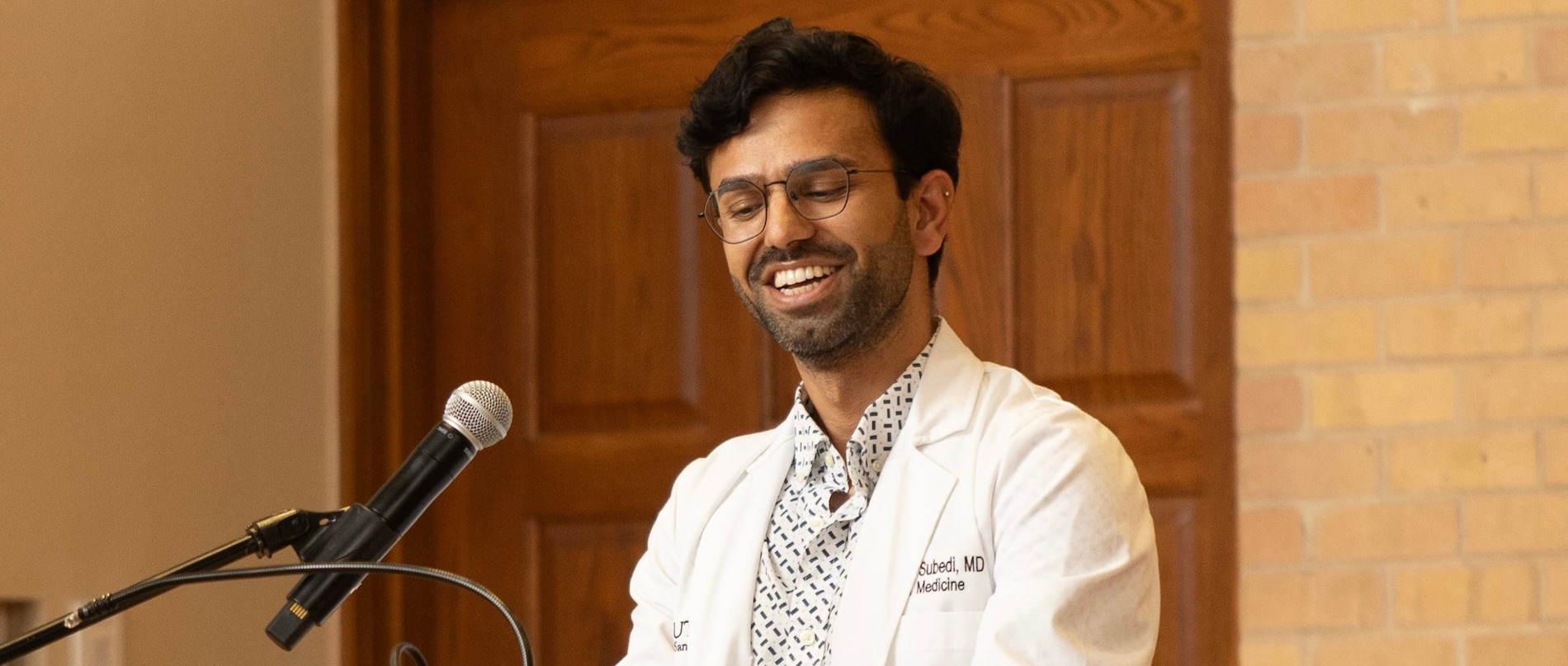
Emerging from death’s door
A boy’s journey from living in a bamboo hut to becoming an award-winning doctor
By Orith Farago
For the first 12 years of his life, Chandra Subedi lived in a rundown bamboo and thatch hut without electricity or running water. Born in a refugee camp in southeastern Nepal, this was the only life he knew.
Often, monsoon winds tore mercilessly through the region, shredding the tents and bamboo huts in their wake. During heavy rains, the preteen, his three older siblings and parents, wrapped themselves in plastic coats to shield themselves from the heavy liquid drops pouring from the sky.
The Subedis were among more than 100,000 Lhotshampas — southern Bhutanese of Nepali descent — who fled or were expelled from the Himalayan country of Bhutan in the late 1980s and early 90s amid discriminatory laws, forced evictions and human rights abuses, according to the International Journal of History.
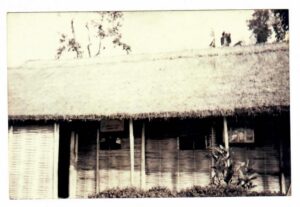
In 1992, the close-knit family had resettled in one of several refugee camps established by the United Nations High Commissioner for Refugees in Nepal and had been living there for 3.5 years when Chandra Subedi was born. His birth was a beacon of light in a camp where the refugees spoke of having “dark eyes” — meaning they had no hope.
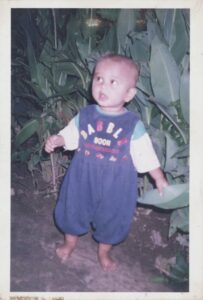
But the youngest Subedi had light in his eyes, even though he frequently fell ill to diseases that rapidly spread through the camp.
When he contracted pneumonia, he was taken to a crowded refugee clinic without a licensed physician — a fate many without health insurance faced. For two days, his father doggedly advocated for his son to be seen by a licensed doctor.
His passionate pleas worked.
The child was taken to a private, overcrowded, one-room hospital where he was left laying on a cement floor as licensed doctors tended to those with insurance. Sapped of energy, the young boy fell asleep. A day later, he awoke to find a needle attached to his arm and a wet cloth on his forehead.
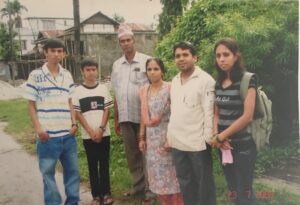
At a young age, he learned a hard lesson about disparity of care for those with and without health insurance.
Later, when he and his family had an opportunity to resettle in America, they took it.
The wide-eyed boy had arrived in San Antonio without any formal education. But that didn’t hold him back. For the next 17 years, the eager student soaked up every morsel of knowledge he could and gave back along the way.
Now a doctor and chief resident of research and education for the internal medicine residency program at The University of Texas at San Antonio’s Joe R. and Teresa Lozano Long School of Medicine, his experiences in the distant continent of South Asia seem a lifetime away. Yet the memories remain close to his heart through his compassionate interactions with patients, peers, students and the community.
Recently, his compassion was recognized with The Arnold P. Gold Foundation Humanism and Excellence in Teaching Award for outstanding humanistic teaching skills and the compassionate treatment of patients, their families, colleagues and students.
So how did this boy from the other side of the world — without a formal education or funds — venture into medicine?
The answer lies in a less-traveled road paved with hardships, endurance, mentorship, optimism and most importantly — compassion.
Arriving to a new world
Through the International Organization for Migration, many Bhutanese refugees of Nepali descent were given an opportunity to resettle in America, Europe, Canada and Australia. The Subedis were among the first wave of Bhutanese refugees to resettle in the Alamo City.
During the long flight bound for San Antonio, 12-year-old Chandra Subedi envisioned landing in a highly developed nation with many technologies. This new world would be opulent and grandiose. A place where the sky was the limit.
Just after midnight on Aug. 1, 2008, the jet touched down.
The youngster was still feeling motion sick when his family met with their case manager, who brought them to a less-than-opulent apartment building in San Antonio.
As he made his way into the family’s new apartment, he noticed dog excrement on the stairs leading to the apartment and asked himself, “Is this America or am I still in Nepal?”
While the living conditions were not what he’d imagined, he was now in America and anything was possible.
Culture shock
Growing up in the refugee camp without a television, radio or newspapers, the youngest Subedi had arrived in America without any formal education.
“Even the very basic schooling that I received in the refugee camp was a privilege that many refugees and other refugee diasporas around the world never had,” Subedi said. “I have to acknowledge that, because I think it did set me up for success.”
A self-professed “nerd at heart,” he was anxious to start Earl Rudder Middle School in San Antonio from the get-go.
“I kept bothering my case manager to take me to school,” Subedi recalled. “I was just so anxious to start to engage and assimilate in the community. I was just very eager to learn everything.”
But the enthusiastic adolescent didn’t realize he was in for a challenging time.
“It was quite the culture shock, not just for me, I think for my entire family, adjusting to a new country, language and the way of life,” Subedi said. “It took some time, but I have to give credit to my parents who never really had the opportunity to attend school in their home country. They were able to tirelessly make a new life here in the United States and ensure that my siblings and I had the opportunities that they never had.”
After starting middle school, he was teased and bullied.
“At that time it was devastating because you want to be able to make friends, you want to be able to assimilate with them, talk to them and obviously it's going to take some time to get to that level,” he said. “But in the beginning, when you're just by yourself, it feels truly isolating.”
The Subedi family was among the first wave of the Bhutanese refugees to resettle in San Antonio, so Subedi connected with refugee classmates from other parts of world. As additional Bhutanese refugees arrived in the city, Subedi made more friends.
Around that time, local businessman Jim Karlak and his wife Emily Karlak, an English-as-a-second-language (ESL) teacher in the Northside Independent School District, began to meet with the refugees from Nepal to help them learn English.
The Karlaks, along with volunteers from the Center for Refugee Services in San Antonio, helped the new arrivals obtain furniture, clothes, school supplies and backpacks. They also took them to medical appointments and facilitated field trips to the local grocery store, where they enlisted the help of a manager to provide a lesson about how to spot sales on products.
Upon meeting the youngest of the four Subedi children, Jim Karlak saw that he was filled with optimism and a zest for learning and acclimating to his new environment.
“If you know Chandra, his eyes are not dark,” Karlak said. “He's always in a good mood. He's always smiling.”
A passion for medicine
Subedi had a knack for science and math. Fortunately, he’d already met his future mentor — Pamela Wood, MD, professor of pediatrics at UT San Antonio’s Joe R. and Teresa Lozano Long School of Medicine — while in middle school.
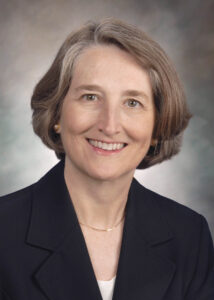
Wood, now a professor emeritus and adjunct pediatrics professor at the Long School of Medicine, had been volunteering to help the Bhutanese community in San Antonio after their arrival. During a project to distribute backpacks to kids, she met Subedi.
“I had a group of kids sitting around in a big room and I said, ‘Okay, who would like to help with this project?’” Wood said. “Chandra was one of the younger kids. I didn't know him personally at that point and his hand shot up and he said, ‘I'll help.’ That sort of gives you an idea of his enthusiasm for many things.”
After a few years, when Subedi attended John Marshall High School, he remembered meeting Wood and contacted her to ask if she could arrange for him to shadow a doctor.
“That's a very important step in the process before applying for medical school,” Wood said. “Medical schools in particular are looking for that because they want to know that you have a realistic idea of what it means to be a doctor and it’s also important for the individual to validate whether or not this is really what they thought being a doctor was going to be and what they really want to do with their lives.”
After spending a couple of days in a clinic with Wood, Subedi expressed interest in learning about hematology and oncology. Wood put him in touch with a colleague and Subedi shadowed him for the summer.
Subedi kept busy during his high school years, focusing on his studies, helping others and preparing for college.
He tutored English as a second language refugee and international students in math, science and English every week and enlisted Karlak’s help with college and scholarship applications. Those efforts paid off, as Subedi became the first in the Bhutanese refugee community to be accepted to The University of Texas at Austin. He was successful in applying for assistance from the Joint Admissions Medical Program and the Gates Millennium Scholars Program, both of which help outstanding scholars from economically disadvantaged households pursue their academic goals.
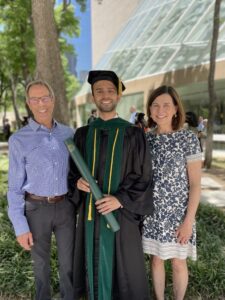
At UT Austin, he became a mentor to students. After graduating, Subedi was accepted to The University of Texas Southwestern Medical Center, where he received his Doctor of Medicine in 2022. Later, he was accepted to the residency program at UT San Antonio’s Long School of Medicine.
Now, as academic chief resident for the Long School of Medicine’s internal medicine residency program, Subedi oversees the program’s administrative side and supervises interns as they perform basic internal medicine procedures. He also works with his co‑chief residents to staff outpatient clinics and inpatient wards and supports resident education and training.
Delivering the care he needed early in life
When Subedi interacts with others — peers, trainees and patients — he treats them as he would like to be treated. With respect. With patience. With compassion.
While his days at the refugee camp are distant memories, his quality of care and compassion toward others is guided by those experiences.
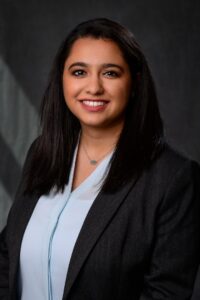
“He takes time to understand what the patient is saying, what they know about their healthcare,” said Iqra Nadeem Kazi, MD, co-chief resident overseeing quality, safety and procedures in the Long School of Medicine’s internal medicine residency program. “He’s able to really bring himself to the level of the patient. I think it's really inspirational.”
Also inspiring is Subedi’s dedication to volunteering and giving back to those who helped him over the years, Kazi said.
“It's really neat to see him as a medical provider, being able to volunteer at the refugee center, to stay in touch with them, ask them if they need any resources and always be involved in their care,” Kazi said.
To Subedi, giving back and providing the type of care he wished he received in the refugee camp is second nature.
“I want to be the kind of physician that I wish I had when I was a little kid running around the gullies of refugee camps just to receive basic checkups,” Subedi said.
And he is.
When Jiwon Park, now a fourth-year student in the Long School of Medicine, was doing an internal medicine clinical rotation at the Audie L. Murphy Memorial Veterans Hospital in San Antonio, Subedi supervised her and two other students who were just starting their patient-facing rotations.
Not only did Subedi tailor his training to match the students’ varying levels of knowledge, he took the time to explain how to navigate the VA’s electronic health record system and encouraged input from his trainees, Park said.
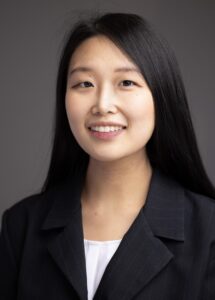
“I think it was very impressive how he made sure that everybody felt included and felt welcome to voice their opinions and their thoughts,” Park said, adding that she also valued his interactions with patients.
“He really understood this was one of the most stressful times for the patient and their loved ones,” Park said. “Being hospitalized is a very big event for anybody who is not involved in the medical field.”
His humility and compassion with patients also showed his empathy.
“He understood the difficulty that they're navigating,” she said.
A future of compassion
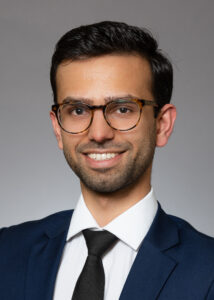
This July, Subedi will start three years of fellowship training to become a cardiologist. Ultimately, he’d like to remain in academia and continue engaging with the community.
Reflecting on his journey, he shared words of optimism for those who dream of becoming a doctor but think that goal may be out of reach.
“I want students to know that they are capable of more than they think,” Subedi said. “The journey to becoming a doctor is definitely not easy and there will be moments of self-doubt and times when you question whether you belong. Often, that's just the impostor talking.”
In a recent speech to second-year medical students, he encouraged them to reach out to others for support and find mentors who will remind them that they belong in medical school.
“When you look at me, you’re looking at someone who didn’t receive a formal education until I was 13, when I resettled in the United States,” he said. “I didn’t speak a word of English. I truly started from zero. As you can imagine, this medical journey was not easy. But those early struggles taught me how to keep going when things feel uncomfortable, overwhelming or even impossible. Medicine will ask that of you again and again.”
From his early days as a child in the refugee camp, to acclimating in a new country, to working tirelessly to achieve his goals and give back in the process, he continues to take each step with intention and gratitude.
“It's a God thing, but it's also a human thing, in that none of this came easy for Chandra,” Karlak said. “There was a tremendous amount of hard work.”
Today, Subedi stands as a shining example of perseverance, humility and compassion.
“Coming to America, his moonshot dream was becoming a physician and son of a gun, he made it,” Karlak said.

Changing the Type 2 trajectory: The race to reverse childhood diabetes
Researchers are racing to turn around troubling trends in the rise of child and adolescent diabetes
South Texas has become an epicenter for obesity and Type 2 diabetes, with about 16% of San Antonians — or one in six — living with Type 2 diabetes. And experts are seeing a disturbing trend of this disease among young people.
“The rates of Type 2 diabetes over the last 20 years have dramatically risen in children,” said Jane Lynch, MD, FAAP, pediatric endocrinologist and interim chief of the Division of Endocrinology in the Joe R. and Teresa Lozano Long School of Medicine. “In fact, of all our new onset children with diabetes, 50% are over the age of 10 and can present very sick.”
Five years ago, a child as young as five years old was diagnosed with Type 2 diabetes, Lynch added.
The growing rate of diabetes and prediabetes is a major public health issue, said Marzieh Salehi, MD, MS, FACP, an endocrinologist and a professor of medicine in the Long School of Medicine.
“If a child went to the emergency room 20 years ago and they had high glucose numbers, most definitely the diagnosis was Type 1 diabetes, meaning that the pancreas cannot produce the insulin,” Salehi said.

Now, particularly in adolescents with high glucose numbers, the diagnosis is just as likely to be Type 2 diabetes, Lynch said. While the initial intervention for adolescents is always to make lifestyle changes, the use of approved medications is sometimes appropriate to lower insulin resistance and appetite, added Lynch.
As experts in their fields — Lynch in pediatric endocrinology and Salehi in adult endocrinology — these two investigators are paving the way for improvements in the treatment of Type 2 diabetes through landmark research into medications that could help stem the tide of this growing epidemic.
The rise in Type 2 among youth
A number of factors have contributed to the rise in childhood Type 2 diabetes, including more sedentary lifestyles and increasing rates of obesity, said Lynch. With the hot summers, social deserts in which children may be disconnected from larger social networks and limited outdoor activities, the rate of obesity in South Texas continues to outpace the national average, she added.
“Obesity continues to rise in children,” Lynch said, adding that, nationally, from 2017 to 2020, it was estimated that 20% of adolescents in the United States were obese, with similar trends in other countries.
“For obesity, one of our biggest worries now is the high rates of hypertension, fatty liver and sleep apnea that go along with the weight gain and lead to adult complications at an earlier age,” Lynch said.
“In the U.S., the prediction i s that about 60% of children will become obese by age 35, and if you’re a teenager, you have a 90% chance of staying obese in adulthood,” Lynch said.
Obesity, particularly when associated with increased stomach fat distribution and increased fat in the liver and skeletal muscle, is a major risk factor for prediabetes and Type 2 diabetes.
Developing Type 2 diabetes depends not only on body mass index and obesity, but also on one’s predisposition to insulin resistance, and this can be impacted by one’s ethnic and genetic background, Lynch said.
“You might have two kids with the same body mass index, but one who comes from a family with a high rate of Type 2 diabetes will be much more predisposed to having the disease than the other child,” Lynch said.
Puberty is a high-risk time
Type 2 diabetes is rooted in two disorders: The body can’t produce enough of the hormone insulin to lower blood sugar, and at the same time, the body is resistant to the action of insulin. Insulin resistance hinders the body’s ability to lower blood sugar levels and can increase the risk of developing Type 2 diabetes.
“We know that children who are obese by the age of 10 have become much more insulin resistant with pubertal hormones. Thus puberty, similar to pregnancy, creates a high-risk time for diabetes development in susceptible individuals,” Lynch said, adding that the first sign of insulin resistance is acanthosis, or darkening and thickening of the skin around the neck.
Interestingly, girls are more insulin resistant than boys, with two girls for every one boy diagnosed with Type 2 diabetes before the age of 18, Lynch said. Girls with insulin resistance are also at high risk for developing polycystic ovary syndrome — an endocrine disorder marked by a hormonal imbalance. Boys with insulin resistance are at high risk for fatty liver, Lynch added.
Lifestyle changes and bariatric surgery
Because obesity is a risk factor for developing Type 2 diabetes, the American Academy of Pediatrics recommends that children age 6 and over in the overweight or obese categories begin lifestyle treatments to limit sweet drinks and portion sizes and set activity goals. However, multiple studies have shown that lifestyle changes have been fairly ineffective, Lynch said, and many pediatricians may not have the time needed to devote to counseling.
Another treatment option for children with Type 2 diabetes is bariatric surgery, which changes the internal workings of the stomach to reduce food intake. However, this highly intensive surgery in children is considered only under strict criteria, and the decision process is more complex than for adults, Salehi said.
“The selection of candidates in this age group involves more stringent requirements and extensive multidisciplinary support,” Salehi said. “Parental involvement and commitment to the child’s long-term care and lifestyle changes are essential. Additionally, insurance coverage can vary and is often more limited for pediatric cases, which may further influence decision-making.”
As such, these surgeries remain relatively uncommon in children and are typically reserved for severe cases, Salehi said.
While bariatric surgery may not be the most-utilized option for children, the effectiveness of this surgery on both children and adults has played a role in the development of medications that have become increasingly popular not only for their antidiabetic and anti-obesity applications, but for their cardiovascular, cognitive, kidney and sleep apnea benefits. And researchers like Lynch and Salehi are at the forefront of this breakthrough research.
Game-changing medications
The diabetes and weight loss medications now sweeping the nation are made to mimic the action of two naturally made gut hormones: glucagon-like peptide 1, or GLP-1, and glucose-dependent insulinotropic polypeptide, or GIP. These gut hormones are released after eating and regulate blood sugar by stimulating insulin release.
Interestingly, the very first GLP-1 receptor agonist was discovered in the mid-1990s in the venom of a Gila monster, a lizard native to the southwestern United States and Mexico. According to the U.S. Department of Veterans Affairs, researchers found that the hormone in the Gila monster venom — called exendin-4 — stimulates the body’s insulin production and works like the GLP-1 hormone found in the digestive tract in humans. The discovery was licensed to a pharmaceutical company to develop into a drug, and a synthetic version of exendin-4 was approved for medical use by the U.S. Food and Drug Administration in 2005 and sold commercially.
Clinical trials leading up to the drug’s approval demonstrated improvements in glycemic control accompanied by weight loss and no risk of hypoglycemia, Salehi said. Since then, multiple GLP-1 and GIP-based medications have been developed not only for diabetes and obesity, but also for related complications such as cardiovascular disease, kidney disease, sleep apnea and neurodegenerative conditions like Alzheimer’s disease. Ongoing trials are underway to explore the metabolic benefits of molecules that mimic the action of other hormones involved in weight loss and liver metabolism in addition to those for GLP-1 and GIP medications.
“This is a new horizon for targeted treatment of various metabolic conditions and reduction of metabolic-related mortality,” Salehi said. In fact, Salehi is leading the first-of-its-kind clinical trial on the impact of a GLP-1 medication on the regulation of blood sugar in people with spinal cord injuries and Type 2 diabetes. This population has a two- to three-times higher rate of Type 2 diabetes, more metabolic conditions and much higher rates of fatty liver.
“The immediate impact would be that we are confirming the safety of this drug in this population,” Salehi said.
From research to new treatments
Researchers are now starting to mix GLP-1 medications with other gut hormones to enhance their effectiveness or reduce side effects for these drugs, Lynch said.
“That’s the future. These newer ‘cocktails’ of GLP-1 drugs mixed with other gut hormones — which also regulate insulin secretion and appetite — are also being studied for youth but not yet approved for those under 18,” Lynch said. She has been at the forefront of studies on the effectiveness and safety of GLP-1 medications to treat Type 2 diabetes and obesity in kids.
Lynch and collaborators initiated a study on treatment options for Type 2 diabetes in adolescents and youth, or TODAY. The university’s Health Science Center was one of 13 sites for this landmark National Institutes of Health study spanning over a decade, with an initial study from 2004 to 2011 to evaluate the effects of one of three treatments: the use of the frontline Type 2 diabetes medication metformin to reduce blood sugar levels, the use of metformin plus the antidiabetic drug rosiglitazone, or metformin plus an intensive lifestyle intervention. The initial study included 699 adolescent participants ages 10 to 17 with youth-onset Type 2 diabetes.
A follow-up, observational study was then conducted with 500 participants from 2011 to 2020. The multiyear study, published in the New England Journal of Medicine, highlighted the devastating outcomes for youth with the onset of Type 2 diabetes before reaching the age of 18 and brought awareness to the uniquely high risks and rapid progression of complications seen in youth from this age group, Lynch said.
“With this study, we realized the two-to-one ratio of girls to boys having Type 2 diabetes was national,” Lynch said. “We realized the complication rates for young-onset Type 2 youth were very accelerated. Due to pubertal hormones and insulin resistance, the onset of hypertension, fatty liver, eye disease, kidney disease and heart disease were very accelerated,” Lynch said.
Furthermore, “The pregnancy outcomes for girls were especially scary, with unexpectedly high rates of miscarriages and fetal anomalies, so we are very motivated to be aggressive in managing Type 2 diabetes,” Lynch added.
The next frontier: Prevention
Previously, Lynch participated in a study that led to the first FDA approval of a GLP-1 therapy for youth ages 10 to 18 and has been involved in studies of five categories of adult medications for kids, enabling the university to be on the frontlines of this research.
Currently, she is participating in three studies involving GLP-1 medications in youth and continues to be on the forefront of the GLP-1 research among youth with Type 2 diabetes.
Because of her participation in these landmark studies, Lynch likewise sits on multiple international committees to monitor safety in these types of trials for children. She credits these accomplishments and her participation in these groundbreaking studies to the expertise and skill of her research colleagues and the close collaboration between the pediatric endocrinologists and the adult diabetes unit at the university.
With the now widespread use of GLP-1 medications, researchers continue to modify and mix GLP-1 hormones with other related gut hormones to further enhance the effectiveness of Type 2 diabetes medications, Lynch said.
“While we realize there may be challenges in helping families to afford approved GLP-1 medications for youth, the ability to treat kids who have Type 2 diabetes with these approved medications has been a huge game changer,” Lynch said. “We now have begun to explore how to safely use these medications to prevent Type 2 diabetes and obesity-related complications, which has a lot of potential.”
The spinal cord injury correlation
A pioneering clinical trial explores a safe and effective treatment option for a population more prone to developing Type 2 diabetes
Those with traumatic spinal cord injuries — about 305,000 in the U.S., according to the National Spinal Cord Injury Statistical Center — have a two- to three-times higher rate of developing Type 2 diabetes and tend to die from metabolic diseases. Yet patients with spinal cord injury and diabetes are often underdiagnosed and undertreated, missing out on effective therapies for glucose control and weight management, said Marzieh Salehi, MD, MS, FACP, an endocrinologist and a professor of medicine at the Joe R. and Teresa Lozano Long School of Medicine and Medical Director of the Bartter Clinical Research Unit at the Audie L. Murphy Memorial Veterans Hospital.
Based on prior research conducted by Salehi and her team, individuals with spinal cord injuries and Type 2 diabetes are metabolically unique.
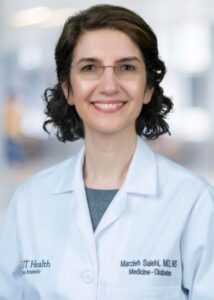
“There’s a breakdown in the communication between the gut, liver, pancreas and brain — a network that’s essential for keeping blood sugar levels in check,” Salehi explained. “Imagine what happens when that crosstalk is disrupted because neural signals can’t travel properly due to a spinal cord injury.”
This disconnect may explain why people with spinal cord injuries have a higher risk of diabetes, fatty liver disease and other metabolic conditions and are more likely to die from cardiovascular disease than from the spinal cord injury itself, Salehi said.
“Since there haven’t been any clinical trials in this population, physicians have been hesitant to prescribe newer medications that haven’t yet been proven effective for treating diabetes and related metabolic complications in people with spinal cord injuries,” Salehi added.
She hopes to change that with a groundbreaking clinical trial testing whether a GLP-1 receptor agonist can counter the harmful effects of spinal cord injury on blood sugar control and weight gain. The study — which received $3 million in funding from the National Institutes of Health —seeks not only to learn if this population will have any adverse effects from the medication, but also to shed more light on the underlying cause of diabetes and obesity in this population.
The five-year study is actively enrolling participants from San Antonio and community rehab clinics who have a spinal cord injury and Type 2 diabetes and are either managing their condition with the diabetes medication metformin or through diet alone.
Participants will first undergo detailed metabolic testing before being randomly assigned to receive either the GLP-1 receptor agonist medication or a placebo for 24 weeks, Salehi said.
The clinical trial model should allow researchers to better understand how blood sugar is processed in this population and how communication between organs influences blood sugar control and weight balance. Eventually, Salehi said, the study could pave the way for improved treatments and spark new drug development tailored to their unique metabolic needs.
“Our findings could provide critical insights to develop targeted treatments for the unique metabolic challenges faced by people with spinal cord injuries — ultimately improving their health and quality of life.”
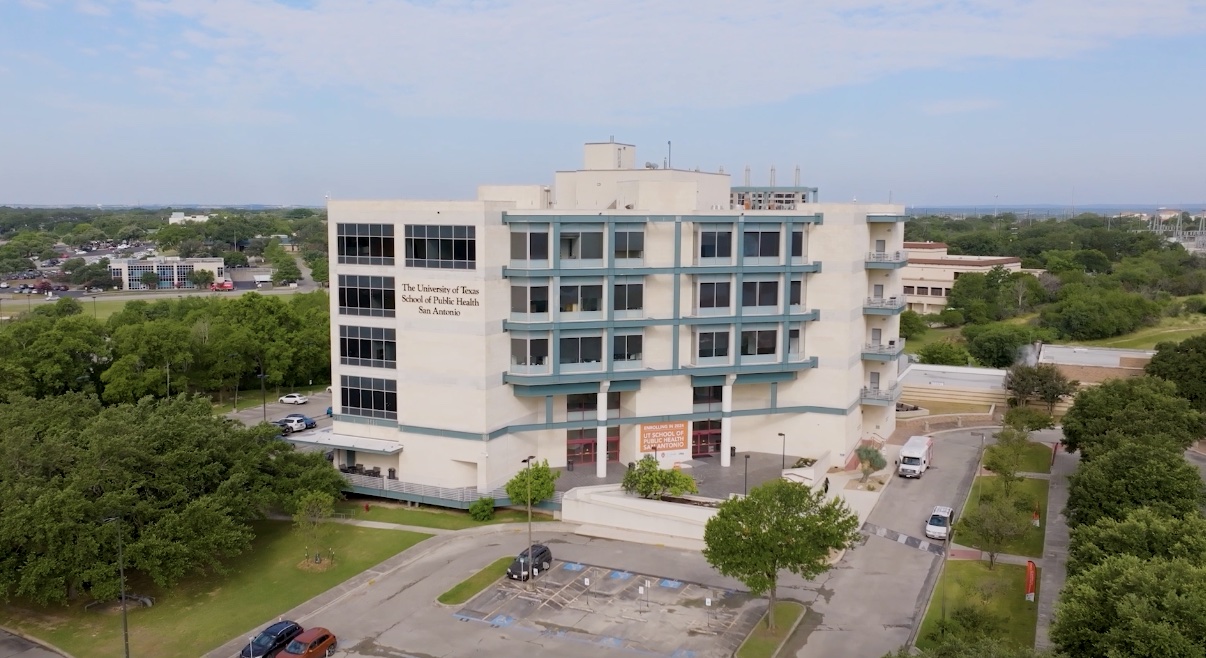
Building public health proficiency: Students focus on making a difference
Master of Public Health students reflect on what they’ve learned and how they’re helping shape this leadership pipeline program to serve South Texas
Brenda Nieves’ passion for public health was years in the making. From a young age, her parents instilled in her a drive to help others.
And she has.
Nieves has consistently sought the best outcomes for patients and those in need — from her job as a 911 operator, to her work within a family medicine practice, to her current role as a training specialist at UT Health San Antonio’s practice operations, working with the clinical practices to ensure efficient and high-quality operations on behalf of patients.
So, it seemed only natural for Nieves to gravitate toward the Master of Public Health program in the Kate Marmion School of Public Health.
“What drew me into the public health field is being an advocate for the community,” Nieves said.
“Working with a family medicine doctor for quite some time, you get attached to your patients. Some don’t have insurance and don’t know how to navigate getting enrolled into programs. And so being able to guide them and help them is what drew me into public health.”
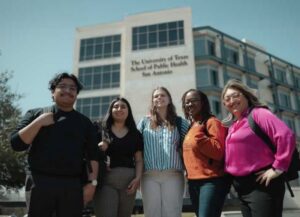
As part of the inaugural cohort of 35 students in the school’s master’s MPH program, which launched in August 2024, Nieves and her classmates are setting the tone for the future of public health education in Texas and looking to make a difference in a field focused on improving population health outcomes.
Leaning on life experience
For Kelechi Adejo, laying the foundation for future cohorts is an important aspect of being a member of the inaugural class.
“There’s that sense you’re the one paving the way,” Adejo said. The occupational therapy assistant and mother of three moved from Columbia, Missouri, to start the master’s program to help impact policies that provide health access.
It was a stint living in rural Tennessee that gave Mary Sanchez a firsthand look at healthcare shortages in rural communities and led to her desire to work in healthcare.
“There was a huge lack of access,” she said. “So, for patients who might not have the best caretakers or access to funding to get caretakers, what does their life look like?”
As an operations manager for language services at University Hospital, Sanchez said she has been able to take what she is learning in her classes and apply it to her day-to-day work at the hospital.
“It’s been really fulfilling and helpful,” Sanchez said.
Like Sanchez, Audrey Cordova, who recently graduated with her bachelor’s degree in public health and is now in the MPH program, saw firsthand how the lack of access to healthcare services outside of Brownsville, Texas, had affected her grandparents.
“That motivated me to [ask] why is it that rural communities are having this issue? Why aren’t there enough doctors? Why aren’t there enough clinics? The closest ER to [my grandparents] was 30 minutes away,” said Cordova.
Tracey Barnett, founding chair and associate professor of the school’s Department of Quantitative and Qualitative Health Sciences, notes that a shortage of primary care physicians serving in rural areas can mean higher rates of preventable illness and a reduction in the quality of life and health in general. By raising awareness about the lack of services in rural communities, the school’s MPH program is equipping students to potentially help fill the gaps in these communities, Barnett said.
A profound rural public health need
- According to the Texas Comptroller, as of 2020, 16% of the state’s population was living in rural communities.
- Across the state’s 254 counties, 37 lack a single primary care physician, according to the Texas Department of State Health Services.
- Data compiled by the American Public Media Research Lab identified 71 Texas counties without a hospital, and the Texas
Organization of Rural and community Hospitals has calculated that 26 Texas rural hospital closures have occurred in 22 communities since 2010. - According to U.S. Census Bureau data, the Lone Star state has the highest percentage of uninsured individuals under the age of 65, at 18.8% as of 2022.
A unifying bond
Representing a broad spectrum of students — from recent undergraduates, to parents, to working professionals who appreciate the three-hour evening classes held three nights each week — members of the inaugural class share a special bond.
“I think we have that bond as a class to get together and help each other as much as we can and encourage each other,” said Nieves, who also serves as treasurer of the school’s public health student organization and as a representative of the student government.
The students also feel connected in this shared experience with their professors, appreciating their support and encouragement as the first students of the program.
That mutual respect has “increased our trust relationship with our instructors,” said Adejo. “They have been very gracious with their time, with their knowledge, with their mentoring.”
Impacts on patient care
The inherent passion to help others is a common attribute among the inaugural MPH cohort. After she graduates, Adejo looks forward to delving deeper into how public health policies affect healthcare access.
As a trauma-informed care advocate, Sanchez said her public health education is providing a broader view of patients’ needs.
“I think being a public health student is another [tool] that I have to help the patients get to where they need to go, but also understand where they’ve come [from],” Sanchez said. “I’ve learned so much about the resources available in the city. What can I connect them with? What resources can I provide them with to help make their lives easier? That’s all because I’ve been learning so much with our program.”
As Nieves looks to her future, she’s excited about how her degree will open more opportunities to help others.
“That’s my drive — being able to see how we can help others have a healthier future and help their children as well.”
Learning plus doing: A formula for success
The Master of Public Health applied practice experience, required of all MPH students, provides 180 hours of on-the-job learning and opportunities to build relationships with community partners.
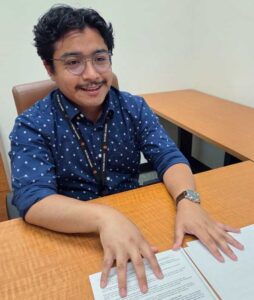 For Luis Gutierrez, his firsthand experience working at the Glenn Biggs Institute for Alzheimer’s and Neurodegenerative Diseases provided invaluable opportunities to put his program studies into practice by helping analyze data collected by the South Texas Alzheimer’s Disease Research Center to determine how factors like employment, diet, sleep and social support can influence cognitive decline, while also considering biological factors like genes and brain imaging scans.
“Thanks to this practicum project, I’ve met a lot of doctors who are in this field who practice neurology and imaging, and that’s what I want to do now,” he said.
Gutierrez had already secured a work-study role as a research assistant at the Biggs Institute when he first started the MPH program. In this role, he supported a long-range study that contributes data directly to the National Alzheimer’s Coordinating Center, a centralized data repository and collaboration and communication hub for the National Institutes on Aging Alzheimer’s Disease Research Centers Program.
As part of his applied practice experience, Gutierrez also met directly with participants and their spouses, adult children or caregivers, guiding them through the informed consent process, which addresses the risks and benefits of treatment. He also administered detailed questionnaires to assess family history and conducted and scored the Clinical Dementia Rating, a standardized tool used to assess the severity of dementia based on both cognitive performance and daily functioning.
A mission to help others
Since childhood, Gutierrez has set his sights on pursuing a medical degree. As someone living with scoliosis who has undergone numerous X-rays, he became acutely aware early on of the important role radiology plays in the field of medicine.
Since starting the MPH program, Gutierrez has taken an active role in shaping the culture for future program cohorts, becoming the first president of the school’s student association.
“I feel like we’re pioneers. As students, we’re laying down the foundation of what other students after us will experience,” he said.
Gutierrez, who expects to complete the MPH program in May 2026, has many options and paths from which to choose, including his ultimate goal of pursuing a medical degree.
“As long as my life is in healthcare, I’m going to be really happy.”
Enriching the student experience
Across the institution’s health professional schools, a network of programs and people aims to ensure that students get the most from their education
Francisco G. Cigarroa, MD, senior executive vice president for health affairs and health system at UT Health San Antonio, has often expressed his belief that education is the greatest health initiative of all time.
This consequential statement is at the heart of the institution’s commitment to help shape the next generation of scientists and healthcare providers with great care, intention and purpose.
From opportunities for high school students to get a jump-start on becoming health professionals, to peer mentorships and career development initiatives, the university’s health professional schools provide programs to help students connect with others and get the resources and information they need to thrive during their educational journey.
Read on to learn how these programs undergird the student experience to build personal resilience and professional confidence — and encourage faculty to broaden their mentorship skills as well.
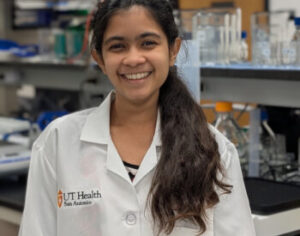 Peer mentoring program offers comfort, community for incoming graduate students
Ishita Tarnekar was a bit scared and overwhelmed as an international student starting her doctoral program at the Graduate School of Biomedical Sciences in 2024.
But not for long.
Thanks to the school’s Transition Peer Mentor Program for masters and doctoral students, she got her footing with guidance from her mentor, also an international student, on a variety of topics — from filling out documents to building her network and finding funded faculty looking for students to join their research lab.
Click here to read the full article.
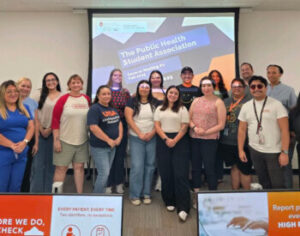 Public Health Student Association nurtures connection across disciplines
As a member of the first Masters of Public Health (MPH) cohort at the recently named Kate Marmion School of Public Health, Luis Gutierrez wanted to be part of an organization that provides students a supportive, inclusive environment that encourages learning, professional development and networking opportunities in the field of public health.
This made Gutierrez the perfect candidate to helm the school’s Public Health Student Association. He also had a lot of previous experience holding executive roles as an undergraduate student at The University of Texas at San Antonio’s College of Science — from vice president and speaker of the house to treasurer and student leader.
With the support of the School of Public Health, Gutierrez hit the ground running.
Click here to read the full article.
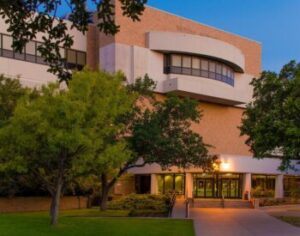 Center of excellence helps dental students achieve and succeed
A center of excellence at the School of Dentistry is helping recruit dental students from underserved communities in South Texas and retain them with programs to bolster their educational success.
“As the only dental school located in South Texas, we help provide oral healthcare to the region through student clinical rotations and by training the professionals who will return and provide care to their communities,” said Juanita Lozano-Pineda, DDS, MPH, associate professor and the center’s director.
“That is where our focus has been through this center of excellence. We want to help recruit and retain these individuals through guidance and participation in programs we have in the School of Dentistry.”
Click here to read the full article.
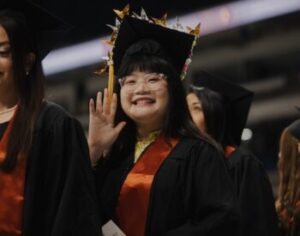 Medical sciences bachelor’s program prepares students for graduate programs
Students seeking health professional careers can get a jumpstart on their academic pursuits through the School of Health Professions’ Bachelor of Science in Medical Sciences (BSMS) program, part of the school’s Department of Health Sciences.
The bachelor’s program provides a rigorous science curriculum, clinical practicums and personalized support to help students prepare their applications to graduate medical, dental, physician assistant and other health science professional degree programs.
“We designed the curriculum to be very intensive and focused on medical sciences,” said Ahmad Galaleldeen, PhD, professor and program director of the Bachelor of Science in Medical Sciences Program.
“We provide classes such as anatomy and physiology with a medical twist. We also added courses like clinical chemistry, patient assessment and a practicum in which students shadow physicians, physician assistants or providers in whichever profession and specialty they are interested in. We partner with providers here at UT Health San Antonio, at University Hospital and on the private side. Our students graduate from the program ready to submit their applications.”
Click here to read the full article.
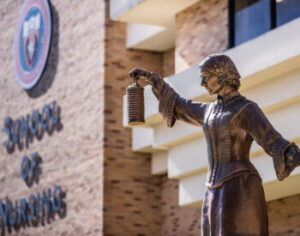 School of Nursing’s Student Success Center supports the ‘whole person’
The School of Nursing offers a holistic approach to helping students succeed, with academic assistance, psychosocial support and professional and student leadership development opportunities — all through the school’s Student Success Center.
This centralized hub gives students easy access to a wealth of resources — from peer mentoring, tutoring and academic workshops, to student wellness, nursing scholarships, student organizations, career readiness and more.
Since the center opened in 2014, the school has experienced an increase in student retention, student engagement and pass rates for the National Council Licensure Examination, or NCLEX, which reached 98% the year after the center was opened, said Vanessa Bográn Meling, EdD, MBA, associate dean of Admissions, Student Success and Engagement, and assistant research professor in the School of Nursing.
“We’re educating not just students’ minds, but the whole person, ensuring they have the support, confidence and skills to thrive,” Meling said.
Click here to read the full article.
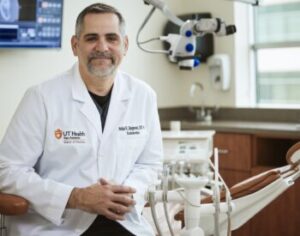 Research Mentoring Academy provides faculty mentors opportunities to hone their skills
Anibal Diogenes, DDS, PhD, knows a thing or two about good mentorship.
After all, he has mentored dozens of students at the university and received the Graduate School of Biomedical Sciences (GSBS) Mentor of the Year award in 2022.
“I’m a product of [strong mentorship] because I was trained here,” said Diogenes, professor and chair of the Department of Endodontics. “I know how important it is for somebody’s future.”
After being recognized as GSBS Mentor of the Year, Diogenes received automatic membership into the Research Mentoring Academy — an independent organization that supports junior and senior faculty researchers in order to facilitate and reinforce the importance of strong mentoring relationships. The Graduate School of Biomedical Sciences, in collaboration with the Office of Postdoctoral Affairs, launched the academy in 2018 to provide faculty members from across the university’s health professional schools an opportunity to hone their mentorship skills to give research trainees the best possible learning experience.
Recently, Diogenes took the helm as chair of the academy, now 11 faculty research members strong, and is looking to expand its reach by inviting faculty researchers from across UT San Antonio to join and continue to build on the university’s robust culture of mentorship.
Click here to read the full article.

Patient and surgeon on a journey together
A two-time cancer survivor becomes the first breast reconstruction surgery patient at UT Health San Antonio’s Multispecialty and Research Hospital
At age 72, Gertrude Garteiser faced a pivotal decision.
After undergoing a mastectomy, she had to decide if she wanted to have breast reconstruction surgery. It was a difficult choice. After all, this would mean another major surgery.
More than 25 years earlier, Garteiser had been diagnosed with cancer on her left breast and underwent a lumpectomy, followed by radiation therapy and tamoxifen, a medication that blocks cancer cells from using estrogen to grow.
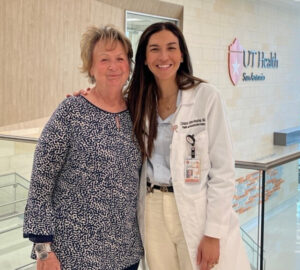
Then, in October 2024, Garteiser was diagnosed with an estrogen receptor-positive/progesterone receptor-positive and human epidermal growth factor receptor 2 (HER2)-negative invasive ductal carcinoma — a type of cancer that begins in the milk ducts. The diagnosis of positive hormone receptors meant that her cancer’s growth was fueled by hormones, and the negative HER2 designation meant that the cancer cells had no or low amounts of HER2 proteins, making them less aggressive.
“The way I found out [the cancer was back] was I felt like something had kicked me in the right breast like a donkey,” Garteiser said. “It was just hurting so bad, so I called and made an appointment at my primary care provider’s office. They had me come in right away and then sent me for a mammogram. But by then, the pain on my right side stopped. I didn’t have that kicked-in-the-chest feeling. I guess it was my body letting me know [something was wrong].”
The mammogram showed cancer recurrence in the left breast. Fortunately, the cancer was discovered early — at Stage 1 — and Garteiser underwent a successful mastectomy on her left breast in January.
Surgeon-patient chemistry matters
After her mastectomy, Garteiser met with several plastic surgeons to discuss breast reconstruction surgery options. Feeling that the chemistry was not quite right, she continued her search and met with Oriana Haran, MD, a double fellowship-trained plastic and reconstructive surgeon at Mays Cancer Center at UT Health San Antonio and assistant clinical professor in the Department of Surgery at The University of Texas at San Antonio’s academic health center.
Garteiser felt a rapport with Haran and scheduled a few more appointments to become more acquainted with the surgeon.
“I just felt comfortable with her,” Garteiser said.
Haran noted the importance for patients to take the time to decide whom they are comfortable with for elective surgery.
“While ‘elective’ means it can be scheduled in advance, it gives you the power of choice,” Haran said. “So, if you are making a choice to have reconstruction, you might as well choose who you’re having the reconstruction with. That’s a critical part of the process. The plastic surgeon is going to hold your hand, not only the day of surgery, but also after. So, you better feel comfortable in front of her or him, you better feel understood 100%. You need that chemistry to feel like you are free to say anything you want to say and not feel intimidated.”
Haran also noted how important it is to have a breast reconstruction surgeon as part of the multidisciplinary team for breast cancer patients, since many breast reconstruction surgeries are performed immediately after a lumpectomy or mastectomy. In Garteiser’s case, since reconstruction was not immediately performed, she could take her time to decide on a path forward.
Understanding surgery options
“Gertrude knew that we were talking about an important surgery,” Haran said. “She was struggling with contour, with symmetry, with her mastectomy scar. She came to me more than once, trying to understand if this was the right surgery for her, if she should proceed with a different procedure.”
Haran discussed the range of options with Garteiser.
“I always say that the options go from no reconstruction at all to reconstruction with [the patient’s] own tissue, which I have always believed offers the best natural result,” said Haran.
After reviewing Garteiser’s pre-operative CT angiogram — which uses X-rays and a contrast dye to create detailed images of the body’s blood vessels — Haran identified that her patient was a strong candidate for a superficial inferior epigastric artery (SIEA) flap procedure. The imaging indicated that her vascular anatomy was suitable for this technique, a finding that would later be confirmed during the surgery itself.
In the SIEA flap procedure, tissue from the lower abdomen is used to reconstruct the breast. A significant advantage of this procedure is that it preserves the underlying abdominal muscles entirely because it relies on the superficial vascular system above the muscle layer, said Haran. This technique can lead to lower risk of abdominal wall weakness compared to other flap procedures.
Since Garteiser had two bouts with cancer and received radiation in the past, the skin on her chest wall needed to be replaced. Using abdominal tissues would be an ideal solution, as it provides both healthy skin to resurface the area and volume to recreate the breast while providing a durable, natural-looking result, explained Haran.
“It’s important to note that not every patient is a candidate for the SIEA flap, as the necessary superficial blood vessels must be of adequate size and quality,” Haran said. For this reason, the deep inferior epigastric perforator (DIEP) flap surgery — which relies on more consistent, deep blood vessels — is the most common and widely regarded gold standard for own-tissue-based breast reconstruction.
Although the SIEA and DIEP flap procedures offer a more natural and durable result, implants remain a viable option for many patients, said Haran. However, implants would not have been a suitable option for Garteiser since the skin on her chest wall was paper-thin after a lumpectomy, radiation and then a mastectomy.
“I constantly would feel my chest where the breast was gone,” Garteiser said. “[It felt] like I was touching my ribs almost, because that’s how much of the tissue was gone.”
Garteiser discussed the surgery with Haran and decided to move forward with the SIEA flap surgery. The surgery was scheduled for Aug. 8, 2025.
First-of-its-kind surgery at new hospital
Garteiser’s surgery marked the first breast reconstruction procedure performed at the UT Health San Antonio Multispecialty and Research Hospital, which opened in December 2024. Among its many offerings, the hospital provides comprehensive patient care, advanced procedures and precision cancer therapies.
Haran herself was uniquely qualified for this procedure, having performed complex microsurgery reconstructions daily during her specialized fellowship at Memorial Sloan Kettering Cancer Center in New York. Thorough by nature, Haran toured the hospital facility twice before the surgery since this would be her first time conducting surgery at this newer location.
“I went downstairs to the instrumentation and perioperative services department and made sure with the operational team that I was going to have everything [I needed],” Haran said. “I visited them and talked to the nurses.” Haran praised the hospital and its staff for their attention to detail.
“The professionalism and preparedness of everyone involved were absolutely vital to the success of this complex procedure,” said Haran. “Having a dedicated team — from instrumentation to nursing — makes all the difference.”
A multistep procedure
On the day Garteiser arrived with her son for her surgery, she was in good hands from start to finish.
The surgery, which lasted about five hours, involved a precise sequence of steps. First, Garteiser’s chest site was prepared to receive the new tissue. Next, the abdominal tissue flap, based on its specific blood vessels, was carefully harvested. The most critical part of the procedure followed, where Haran used microsurgery to connect these tiny vessels to the blood vessels in the chest, restoring immediate circulation to the transferred tissue.
By using the blood vessels that lie above the abdominal muscles, no muscles were cut or disturbed, offering a quicker, more comfortable recovery, Haran said.
After the tissue was placed on the left side of Garteiser’s chest, Haran reduced the size of Garteiser’s right breast and lifted it to achieve symmetry, all in a single procedure. The surgery was successful, but Garteiser’s journey was not yet complete. According to Haran, patients typically need to stay in the hospital for three days after this kind of procedure to ensure the transferred tissue remains healthy and that the patient is mobile and managing pain effectively.
“When we feel that all of the above have been checked, we allow the patient to go home.” Haran said, adding that, in the past, a stay of five days or more was standard for this surgery.
“Now, with improved pain management protocols and enhanced recovery pathways, patients can go home sooner and often require fewer to no opioids. This is a best practice that more hospitals and surgeons are implementing in order to provide faster, improved recovery.”
Feeling good after an inspiring journey
Both Garteiser and her son are appreciative of the hospital care she received before and after surgery. And the surgery itself seemed to be “pretty flawless,” said Garteiser. “I’m very pleased with Dr. Haran and her staff.”

Haran is thankful as well. “I’m deeply grateful for the constant support of our Division of Plastic and Reconstructive Surgery, led by Dr. Anton Fries, for fostering an environment where these kinds of complex reconstructions can truly thrive.”
Now several months beyond her surgery, Garteiser said she’s doing well.
“I feel good,” she said. “And people keep telling me how good I look because I’m relaxing. I feel like it was the right decision.”
Haran is glad that her patient is feeling well.
“Once you are my patient, I feel a deep sense of responsibility through to the end. As surgeons, we can’t and shouldn’t make promises. Things can happen — from infections to anesthetic complications — that are beyond our control. But there is one thing I can truly promise: that I will do my very best to take the best possible care of you, and that my team will, too,” Haran said. “My goal is that you feel listened to and cared for. Even when patients go home, we make sure they’re doing okay. It’s all of those little things that make a difference.”
Haran said she’s glad to have played a role in Garteiser’s inspiring journey. In fact, when the patient and doctor recently met to take a photo together, the gratitude was evident in Garteiser’s eyes. It seemed as if they were longtime friends.
“Breast reconstruction is an add-on that I’m happy to be part of because I think it’s the happy end to the whole story,” Haran said. “I just feel blessed to be part of it.”
To learn more, read “Myth or fact: Breast reconstruction procedures.”

Myth or fact: Breast reconstruction procedures
Knowledge is paramount for patients considering breast reconstruction surgery
While up to 50% of cancer patients who have a mastectomy opt to undergo breast reconstruction surgery, a national survey on behalf of the American Society of Plastic Surgeons found that many women have not received “adequate information to evaluate how this surgery may impact them physically, financially and emotionally.”
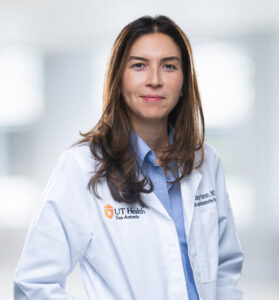
Creating awareness is critical, said Oriana Haran, MD, a double fellowship-trained plastic and reconstructive surgeon at Mays Cancer Center at UT Health San Antonio and assistant clinical professor in the Department of Surgery at The University of Texas at San Antonio’s academic health center.
“I think it’s important for every woman out there struggling with [a new breast cancer diagnosis] to know that they’re not alone.” For some women, undergoing breast reconstruction surgery is about contour, gaining back your femininity and the sense of yourself, Haran said. “That has been proven to improve social wellness. Psychologically and physically, patients just feel better.”
Unfortunately, some women may not have adequate information about the types of breast reconstruction procedures available following the removal of the entire breast with a mastectomy or a portion of the breast tissue with a lumpectomy. In addition to being informed about the various procedures for breast reconstruction, feeling comfortable enough to discuss these options with one’s plastic and reconstructive surgeon is also important, as the surgeon can answer questions and dispel myths around breast reconstruction, Haran said.
Read on for her insights about what all women need to know about breast reconstruction.
1. Myth or fact? Implants are the only option for breast reconstruction.
Answer: Myth. Depending on their anatomy, women today have an array of options for breast reconstruction— from implants to autologous breast reconstruction using one’s own tissue to reconstruct one or both breasts.
The gold standard for breast reconstruction using a patient’s own tissue is the deep inferior epigastric perforator (DIEP) flap procedure. This surgery transfers a flap of abdominal tissue, along with its deep blood vessels, to the chest to provide both the skin and the volume needed to recreate the breast. This approach offers a durable, natural-looking outcome.
Also among the array of flap procedures using one’s own tissues for breast reconstruction is the superficial inferior epigastric artery (SIEA) flap technique. This surgery provides the advantage of preserving the underlying abdominal muscles of the patient, since it relies on the superficial vascular system above the muscle layer for the tissue that is used to recreate the breast. This technique can lower the risk of weakness in the abdominal wall compared to other flap procedures. However, it’s important to note that a good candidate for this procedure is a patient with a suitable vascular anatomy.
2. Myth or fact? Undergoing breast reconstruction using one’s own tissues means that the patient will fully regain sensation to the reconstructed breast or breasts.
Answer: Myth. While some sensation may be regained when one’s own tissues are used for the reconstruction, the reconstructed breast will not fully regain normal sensation. There are techniques to address this, such as sensate flaps where we connect the nerves. However, this is not a standard part of the procedure for most patients, and the results are inconsistent. The return of sensation exists on a very broad spectrum and is rarely complete.
3. Myth or fact? Patients undergoing a mastectomy will not be able to have future mammograms or MRI breast cancer screenings.
Answer: Myth. Some women think that if they undergo breast reconstruction, that’s going to get in the way of later screening or followup, but that’s not true. Whether we use implants or your own tissue, we can still effectively screen the area. The breast tissue and chest wall behind the reconstruction remain visible with imaging.
4. Myth or fact? Women having a mastectomy cannot breastfeed after undergoing breast reconstruction surgery.
Answer: Fact. The ability to breastfeed is lost following a mastectomy, regardless of whether reconstruction is performed. A mastectomy involves the removal of the breast tissue, which includes the glandular structures and milk ducts necessary for lactation. While reconstruction creates a new breast mound, it cannot restore the functional system for producing milk. Therefore, breastfeeding from that breast is not possible.
5. Myth or fact? Health insurance does not cover breast reconstruction procedures after having a mastectomy or lumpectomy.
Answer: Myth. Breast reconstruction is not considered cosmetic in this context. Under the Women’s Health and Cancer Rights Act, most group health insurance plans that cover mastectomies are required to also cover all stages of breast reconstruction, a provision that also applies to lumpectomies in some cases for symmetry procedures.
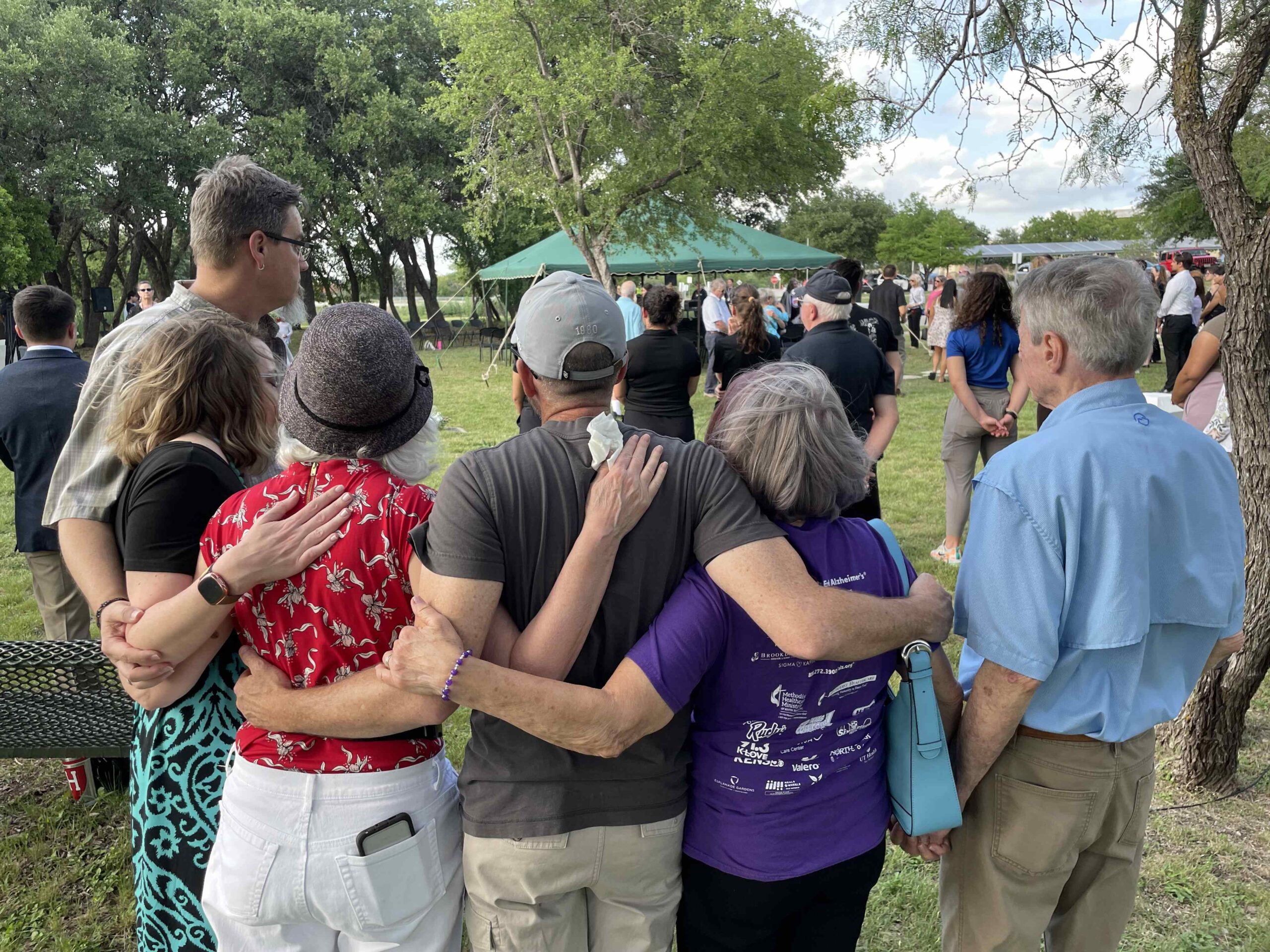
Gratitude abounds during Burial of Ashes
University, community and family members gave thanks to body donors during annual interment ceremony
When Michelle Clyne was little, her father, Henry “Hank” Clyne, had her convinced that he hunted dinosaurs. When she’d draw pictures of his grand adventures, her teacher would say what a great imagination she had.
To the Chicago resident who flew to San Antonio to attend UT Health San Antonio’s Burial of Ashes ceremony to inter the cremated remains of those who gave their bodies for student education and to pay tribute to the donors, the event provided a special opportunity to honor her father’s memory.
“I was not expecting to be this emotional, since it was three years ago that he passed, but this was the closest to a funeral that I was able to experience,” Clyne said.
Clyne, along with her sister, Jenni Stewart, and brother, David Clyne, recalled the beautiful details that made their father who he was. His great mustache. His love of broccoli cheddar soup. His compassion for animals. His sweet, gentle demeanor. His love of science and teaching.
“I’m a teacher, and he used to come to my classroom to teach how the planets rotate around the sun,” Stewart recalled. “And he did it for us kids when we were little with a flashlight and a basketball.”
The Clynes were among about 150 people who attended the interment ceremony at UT Health San Antonio’s Memorial Park on April 29. Attendees included donor family members and the university’s faculty, staff and students, who expressed their gratitude for the donors’ important contributions toward educating students.
Honoring donors’ generous, selfless contributions
The ceremony began with music, including an instrumental quartet composed of first-year medical students from the university’s Music and Medicine group, followed by a vocal performance by graduate students from The University of Texas at San Antonio’s Vocal Music Department and department chair John Nix, and rounded out with a rendition of “Amazing Grace” by internationally recognized bagpiper Robert Chalk. Chalk has participated in the event since 2004. He served as the supervisor of anatomical services for UT Health San Antonio’s Body Donation Program before moving to the University of the Incarnate Word’s School of Osteopathic Medicine as director of UIW’s Willed Body Program.
While Sandesh Puri, a first-year medical student and a member of the Music and Medicine group, did not perform during the event, he felt compelled to attend to pay tribute to the donors.
“I really wanted to come to this event to pay my respects and share and show my gratitude for all the families that have given us the opportunity to learn,” Puri said.
Omid B. Rahimi, PhD, professor and director of the Human Anatomy Program at UT Health San Antonio’s Department of Cell Systems and Anatomy, welcomed the attendees and expressed appreciation to the donors’ family members.
“This ceremony reflects our profound gratitude and respect for all the participants in our body donation program and conveys our appreciation for the compassion and support of their family and friends, regardless of occupation, social standing, age, health or ailment,” Rahimi said. “Each donor’s remarkable gift equally contributes in shaping the well-being of future generations.”
Following Rahimi’s introduction, Lily Q. Dong, PhD, professor and chair, Department of Cell Systems and Anatomy, and Sadie A. Trammell Velasquez, MD, FACP, associate professor of medicine and assistant dean for the preclinical curriculum in the Office of Undergraduate Medical Education, paid tribute to the donors along with seven representatives from classes that have studied anatomy in the past year.
Students express their heartfelt gratitude
First-year occupational therapy student and class president Catherine Buley eloquently recalled her reverence for the donors.
“Before we ever stepped into the lab, our professor reminded us that these bodies were to be treated with the utmost respect,” Buley said. “I expected to feel overwhelmed, maybe even cry, but when I finally entered the lab and saw the donor we would be learning from, what I felt instead was a deep sense of humility and compassion. Over the semester, that feeling only grew. This person became more than a learning tool. They became a kind of silent teacher, almost like a companion. In every layer we studied, they shared something of themselves with us.”
Buley shared that for her and her classmates, the body donors not only deepened their understanding of the human form, but also taught them how to apply their class experience to the complexities of real people.
“In occupational therapy, we don’t just treat injuries or limitations, we treat people and we help them return to the things that make life meaningful like dressing, cooking, holding a grandchild, returning to work,” Buley said. “These donors reminded us that every body holds a lifetime of these moments. They helped us understand not only how bodies move, but why it matters that they do.”
“To the families here today, you gave not only the gift of a body to science, but the gift of trust to us as learners.” — Catherine Buley, first-year occupational therapy student
First-year dental student and class president Kate McNeill said the donors provided a gift that would contribute to her classmates’ futures by becoming their very first teachers in the study of anatomy.
“One student shared a sentiment that a lot of us related to on how they imagined who their donor might have been, what their favorite food was, what their laughter sounded like, and what memories they held dear,” McNeill said. “It reminded us constantly that the individuals had full, rich lives. … These thoughts shaped the way we approach each lesson, not with detachment, but with a growing sense of connection and empathy. There were times we found ourselves offering a quiet thanks before beginning our work or pausing for a silent moment at the end of a long day — gestures of gratitude that became part of our routine, just as essential as any scientific method. These small rituals helped us to stay grounded in the humanity of what we were experiencing, even as we learned the technical skills that would carry us forward into our future professions.”
First-year medical student and class president Aadil Rehan thanked the families and expressed his gratitude for the donors, who by giving their bodies to the study of medicine, have provided the next generation of doctors an “irreplaceable component” of their education.
“Whenever I have doubted myself, I remember that our donors chose to believe in us so strongly that they dedicated their bodies to our betterment, and in turn, the betterment of so many in the future,” Rehan said. “In that sense, even after biological life ends and the physical body fades, those who pass on remain with us through their memory, their actions, their legacy. … And while our time with the donors was brief, they have irrevocably shaped us on our path to becoming physicians. Every life that we touch will be a testament to the opportunity our donors gave us. … Perhaps our greatest teachers are those whose voices we will never get to hear.”
For Elizabeth Arnold, a second-year medical student at UIW’s School of Osteopathic Medicine, the opportunity to see the families of the donors and express her gratitude was special. She was among the students to provide remarks at the event, as UT Health San Antonio’s Body Donation Program provides body donors for study at UIW.
“I think it just really drives home the humanity aspect of our professions, getting to meet the people who lived with and resided beside their [loved ones their] entire life, and we are now able to learn from that person,” Arnold said. “So, just being able to have a ceremony where we get to see the family members is very important.”
Following the speakers, family members solemnly walked past the gravesites marking the donations of previous years and placed a red flower or a handful of dirt to pay their respects.
Embracing treasured memories
For Theresa Smith, attending the ceremony sparked memories of her big brother, Andrew Hildebrand, who left for Germany to serve in the U.S. Air Force when she was a child.
“We had gone to the airport [to see him off and the memory] is very vivid,” she recalled. “I was four or five years old.”
She smiled warmly as she recalled her brother, who she described as a quiet, generous soul who always thought of others.
Smith’s brother, William Hildebrand, said their brother Andrew — the second oldest of nine kids — was an airplane mechanic in the Air Force and worked as a mechanic for most of his life.
“For the last years of his life, he was helping me with doing carpentry work,” Hildebrand said. So, you know, we got to know each other really well.”
The two siblings said they appreciated the opportunity to attend the interment ceremony, as it provided an opportunity for them to recall fond memories of their brother.
“This [ceremony] gives you a place to remember him,” Hildebrand said.
Members of the Clyne family also appreciated the opportunity to receive closure and hear how donors served as teachers for students in so many respects.
Joanne Clyne, wife of donor Hank Clyne, said that given her husband’s love for teaching, she was glad to see that, as a donor, he continued to teach.
When Joanne Clyne recalled speaking with Rebecca Cantu — the university’s program project coordinator with the Body Donation Program office — she remembered Cantu saying, “Mr. Clyne is still teaching the students,” and Clyne replied, “How perfect. Yeah, that would be Hank.”

Myth or fact: How healthy are the drinks we consume?
While much of our dietary focus goes into what we eat, it’s just as important to be mindful of what we drink
A July 2023 report by USA Facts noted that Americans have more than 500 beverage choices, according to estimates by the U.S. Department of Agriculture. The report also shared data from the Centers for Disease Control and Prevention’s National Health and Nutrition Examination Survey revealing that, between 2017 and 2020, water accounted for 50% of overall beverage consumption, with tap water slightly edging out bottled. The next popular beverages consumed were coffee (14%), soft drinks (10%), milk (7%) and tea (7%). And on any given day during that period, Americans also drank about 4 fluid ounces of alcohol.
While much of our dietary focus goes into what we eat, it’s just as important to be mindful of what we drink, according to Christiane Meireles, PhD, RD, LD, clinical associate professor, School of Nursing, and co-founder, Green Wellness Program: Plants-2-Plate. Read on for her insights about everyday beverages that distinguish myths from facts.
1. Myth or fact? Water is the healthiest beverage.
 Answer: Fact. The human body is about 60% water, with about 7% in the muscles and 10% in fat cells. This means that people need to consume liquid throughout the day to keep the body hydrated. The amount of water needed varies by age, gender and how much fat tissue one has. Water is truly the only beverage the body needs, and it doesn’t have to be a boring drink. Water can be made fun with fruit or herb infusions. To jazz up a seemingly dull glass of water, consider squeezing one or more fruits into the glass, perhaps a lemon, lime, orange, berries, pineapple or a mixture of these. Herbs like mint or rosemary are also great additions. Consider combining herbs with different fruits to create a refreshing drink. For those who like carbonation, consider making or buying carbonated water with or without fruit for a fizzy option.
2. Myth or fact? Lack of thirst means you are not dehydrated.
 Answer: Myth. Thirst is not always a reliable indicator for dehydration, especially in older adults who may not experience the thirst sensation as readily. That’s why it’s important to stay alert and be mindful of the possible symptoms of dehydration. These include dry mouth, headaches, fatigue and darker, more concentrated urine.
3. Myth or fact? Drinking too much water can be unsafe.
 Answer: Mostly myth. Water is the healthiest beverage and should be the number one choice of beverages. Drinking too much water is rarely a problem for healthy people. However, something to be mindful of is water toxicity or intoxication, a potentially deadly condition in which one drinks too much water that the body can’t get rid of — about 3 to 4 liters over one to three hours. While this condition is rare, it can result in the blood becoming diluted, causing hyponatremia, a condition in which the sodium level in the blood dips too much. Symptoms include nausea, confusion, seizures and massive spasms, especially if one has been exposed to extreme heat or prolonged, strenuous exercise. Those suffering from this condition should seek medical attention promptly.
4. Myth or fact? Caffeine dehydrates you.
 Answer: Myth. For a long time, it was thought that caffeine could lead to dehydration, but according to recent research, moderate daily caffeine consumption — 250 to 300 milligrams will not cause dehydration. In the short term, it can increase diuresis, or increased urine production by the kidneys, but not dehydration. For context, a cup of brewed coffee can contain about 90 milligrams of caffeine, depending on the strength of the brew. Other factors, like the coffee’s concentration or consuming five or six cups a day, may have a dehydrating effect.
5. Myth or fact? Sports drinks keep you better hydrated than water.
 Answer: Myth. In most cases, water is all that is needed for replenishment. In cases of more strenuous exercise, like running a marathon, runners would benefit from a drink that can replenish electrolytes and restore the minerals that are lost through sweat. If one is exercising at the gym for 45 minutes to an hour, for example, water should be fine. Sports drinks should not be consumed daily, but only occasionally. When it comes to kids, sugar and sodium in a sports drink is something that may be problematic. Sports drinks contain large amounts of sodium and are not a good option for kids as a source of replenishment, increasing the risk of high blood pressure.
6. Myth or fact? Alcohol is associated with increased cancer risk.
 Answer: Fact. Because no amount of alcohol is considered safe, consuming alcohol is a health risk. Therefore, drinking less is better than drinking more. According to some studies, drinking alcohol in moderation may increase one’s overall risk of chronic diseases such as cancer and heart disease, and even death. Those who are pregnant, breastfeeding or under the age of 21 should not drink alcohol. For men, the number one type of deadly cancer associated with alcohol is liver cancer, according to the Centers for Disease Control and Prevention (CDC). In men, alcohol consumption can increase cancers of the mouth, throat, esophagus, voice box, prostate, colon and rectum. For women, who generally absorb more alcohol and take longer to process it than men, the risk of breast cancer increases with any amount of alcohol. In addition, women who drink excessively have a higher risk of damage to the heart muscle at lower levels of alcohol use and over fewer years than men, according to the CDC.
7. Myth or fact? Juicing is healthier than eating whole fruit.
 Answer: Myth. During the juicing process, fiber and bioactive compounds are lost, and calories are often gained since it typically takes more than one fruit to make an 8-ounce drink. Eating whole fruit results in ingesting fewer calories and provides the fiber that is lost when the fruit is juiced. Also, the absorption of sugars from juice as opposed to whole fruit can be so fast that it can spike blood sugar right away, whereas a whole fruit with more fiber takes time to digest, keeping one’s blood sugar at a steadier rate.
True, false or somewhere in between?
Read more in our myth-or-fact series of conversations with UT Health San Antonio faculty and care providers to test your knowledge about specific health concerns:
- Diet and exercise habits that aid weight loss
- Common assumptions about health
- Ear health and how ears work
- How to protect your eyes
- How to maintain good oral health
- What you can do to boost brain function