
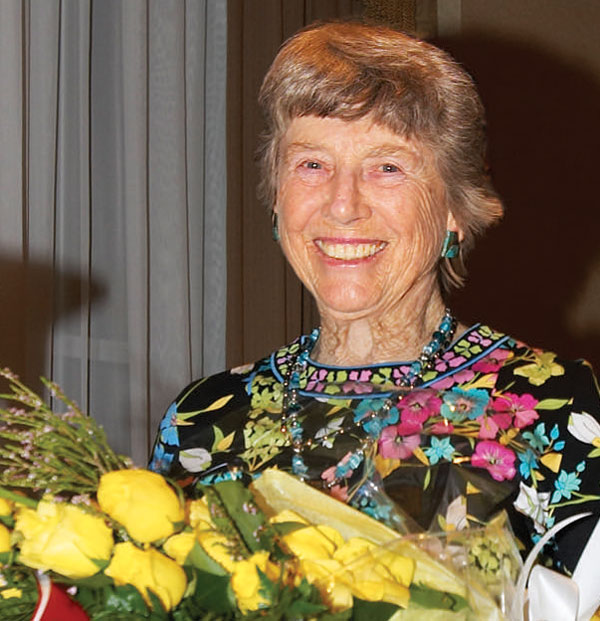
The Robert J. Kleberg, Jr. and Helen C. Kleberg Foundation supports Health Science Center programs
Helen Kleberg Groves
Science and service go hand in hand with Helen Kleberg Groves, who is president of the Robert J. Kleberg, Jr. and Helen C. Kleberg Foundation. Through her philanthropic and scientific involvement, Mrs. Groves is a true champion for South Texas. She is a role model who, along with her children, is following in the footsteps of her father and mother, helping mold the lives of countless scientists, researchers and health professionals. She is continuing the Kleberg legacy that will live for centuries to come.
Gifts reach beyond borders and touch all missions
For nearly three decades, the Robert J. Kleberg, Jr. and Helen C. Kleberg Foundation has provided close to $8 million to the Health Science Center to fund programs that impact all missions at the university, including educational and research programs to develop treatments for debilitating diseases that affect South Texas and the world.
Most recently, the foundation has provided support in the following areas:
- $1.4 million to help scientists better understand bacteriophages, which have critical implications for the future of disease management. The research will improve the understanding of ecology and should one day lead to new vaccines, gene-therapy delivery systems, antibiotics, and improved use of phages themselves as agents to kill bacteria. Products could include medications to treat wound infections and diseases such as anthrax and tuberculosis, and others.
- $3.16 million to advance research of airway diseases, such as the work of Joel B. Baseman, Ph.D. Click to read related story.
- $1.5 million to support the Kleberg Medical Scholars Program. Since the program’s establishment in 2002, 58 resident physicians have been awarded. As Kleberg Medical Scholars, these medical residents are conducting research within the Lower Rio Grande Valley and are bringing attention to the important and unique needs of the South Texas patient population. Currently 11 Kleberg Medical Scholars are residents at the Health Science Center’s Regional Academic Health Center (RAHC) in Harlingen. Research has shown that physicians tend to practice where they train, so the Kleberg Foundation is helping increase the number of physicians and clinical research interest in South Texas, which has been federally designated as a medically underserved area.

Kleberg Foundation grants $3.2 million to fund respiratory disease research
The mission of the Health Science Center – to provide the best in health careers education, biomedical research, patient care and community service to San Antonio and the South Texas/Border Region – is being met because of the generous support of longtime visionary donors such as Helen Kleberg Groves and the Robert J. Kleberg, Jr. and Helen C. Kleberg Foundation. For almost three decades, the Kleberg Foundation has supported the Health Science Center with approximately $8 million in funding that is helping shape the future of health care education, research and clinical care in South Texas.
Most recently, the Kleberg Foundation provided a $3.2 million grant to fund the research of Joel B. Baseman, Ph.D., professor and chair of microbiology and immunology. The grant, awarded in 2007, is allowing Dr. Baseman to advance the development of new strategies to diagnose and reduce airway disease in infants, children and adults. His discovery of the Community-Acquired Respiratory Distress Syndrome Toxin (CARDS TX) is the most important finding in this field since the discovery decades ago of the toxins of diphtheria and pertussis.
According to the American Lung Association, lung disease is the third-leading killer in America, responsible for 1 in 6 deaths. Lung disease and other breathing problems constitute one of the leading causes of death in children younger than 1 year old. Today, more than 35 million Americans are living with chronic lung disease such as asthma, and chronic obstructive pulmonary disease (COPD) otherwise known as emphysema and chronic bronchitis.
Dr. Baseman said the grant has allowed his research team to make considerable progress toward developing new therapies for these debilitating diseases.
"Our findings indicate that the environment of the lung triggers toxin production. Because of the Kleberg Foundation grant, we have been able to develop state-of-the-art systems to observe infection and toxin production using live cell and whole animal imaging," Dr. Baseman said. Funding recently provided for three postdoctoral fellows to be hired to work on live cell and animal imaging of CARDS TX. The researchers are also examining the connection between encephalitis in children and CARDS TX. They plan to test potential vaccines within the next two years.
"We believe CARDS TX is a most important virulence factor of airway diseases, and these key studies, propelled by the Kleberg Foundation, will lead to innovative treatments of serious acute and chronic pulmonary pathologies," Dr. Baseman said.
Dr. Baseman has already published his findings in the journals Infection and Immunityand Proceedings of the National Academy of Sciences and has presented them at the American Thoracic Society in San Francisco, the Academy of Allergy, Asthma and Immunology in Philadelphia and the National Institute of Allergy and Infectious Diseases in Virginia.
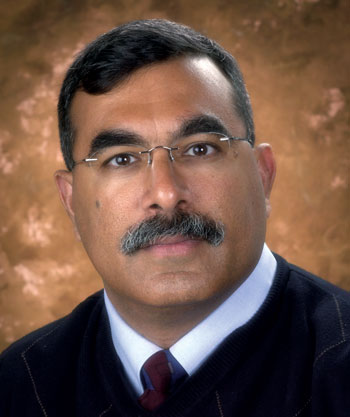
Ahuja receives prestigious Doris Duke Charitable Foundation grant
 Sunil K. Ahuja, M.D., was awarded a $1.5 million Distinguished Clinical Scientist Award from the Doris Duke Charitable Foundation (DDCF) to pursue further his groundbreaking research on understanding host factors that influence HIV/AIDS. Dr. Ahuja is professor of medicine, microbiology/immunology and biochemistry, director of the Veteran’s Administration Center for AIDS and HIV Infection and the President’s Council/Dielmann Chair for Excellence in Medical Research at the UT Health Science Center San Antonio.
Dr. Ahuja attributed the award to the hard work and creativity of the members of his lab.
"I am indebted to my team for their dedication. I am very blessed to work side-by-side with this very talented group of individuals, and I am so proud of each of them," Dr. Ahuja said.
The foundation received 68 nominations from 43 institutions. The final six candidates were selected after a rigorous grant-review process and interviews with the DDCF Medical Research Program’s Scientific Advisory Council.
"These are the skilled physicians who will contribute to the translation of basic science to clinical medicine and teach younger physicians to follow in their footsteps. Such physicians are absolutely required if we are to prevent and improve the treatment of serious illnesses," said David Nathan, M.D., chair of the foundation’s Scientific Advisory Council.
Since Dr. Ahuja joined the Health Science Center faculty in 1996, he has been awarded more than $20 million in federal and non-federal research funding. In 2005 Dr. Ahuja was recognized with a rare and prestigious MERIT Award from the National Institutes of Health. Fewer than 5 percent of NIH-funded investigators are selected to receive the honor.
Passionate about training the next generation of scientists, Dr. Ahuja said: "I really enjoy seeing young people learn in the lab and become excited about science and discovery."
Last year, he was featured in Texas Monthly magazine’s "35 People Who Will Shape our Future," a list of the top innovative Texans. In addition to HIV/AIDS, his laboratory also conducts research on atherosclerosis, cancer and autoimmune diseases such as lupus and arthritis.

Appointments and Awards
-
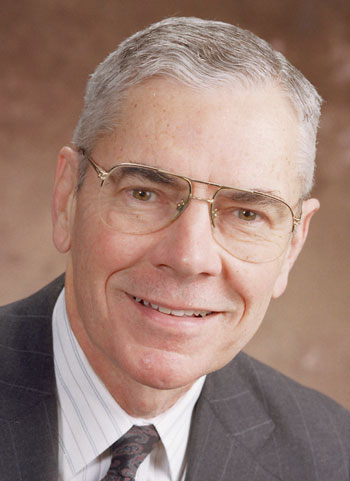
Bowden Charles L. Bowden, M.D., clinical professor of psychiatry, pharmacology and radiology, received the NARSAD Falcone Prize for Outstanding Achievement in Mood Disorders Research. Dr. Bowden, the Nancy Ullman Karren Chair in Psychiatry, has led 80 research studies of bipolar disorders and mood-stabilizing medications.
-
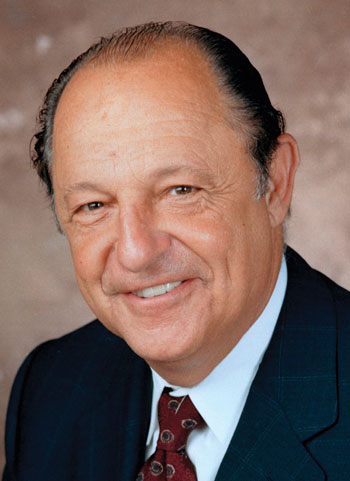
DeFronzo Ralph A. DeFronzo, M.D., professor and chief of the Division of Diabetes, received the American Diabetes Association’s most prestigious honor: the Banting Medal for Scientific Achievement Award. Dr. DeFronzo’s innovative thinking has made a major impact on international diabetes research and care during the last 38 years. He was the first to prove that individuals with type 2 diabetes are insulin resistant. He continues to lead the development of frontline diabetes therapies.
- Francis Giles, M.D., deputy director of the CTRC at the UT Health Science Center San Antonio and director of the CTRC’s Institute for Drug Development, was awarded the 2008 Chairman’s Citation for Excellence in Community Service by the South Texas Chapter of the Leukemia & Lymphoma Society. The chapter recognized Dr. Giles’ leadership and contributions toward the cure of leukemia and allied blood disorders and his recent involvement in the second Annual Texas Forum on Blood Cancers.
- Randal A. Otto, M.D., has been named physician in chief of the CTRC at the UT Health Science Center San Antonio. Dr. Otto is professor and chair of the Department of Otolaryngology, and the Thomas W. Folbre, M.D., Endowed Chair in Otolaryngology. "My job is to make sure that the patients’ needs come first and that we live up to the high standards of being a National Cancer Institute-designated Cancer Center," Dr. Otto said.
- Mickey Parsons, Ph.D., RN, and Joseph O. Schmelz, Ph.D., RN, have been named fellows of the American Academy of Nursing. Dr. Parsons coordinates the Administration in Community and Health Care Systems in Nursing graduate major and leads the administrative graduate teaching team. Dr. Schmelz directs the Institutional Review Board, a group of health professionals and community representatives that oversees human research. Both are associate professors in the Department of Acute Nursing Care.
- Arlan G. Richardson, Ph.D., received the highest honor from the British Society for Research on Aging: the Lord Cohen Medal for Services to Gerontology. The medal has been given to only seven other pioneers in gerontology since 1982, including only one born in America. Dr. Richardson is professor in the Department of Cellular and Structural Biology and occupies the Methodist Hospital Foundation Chair in Aging Studies and Research. He is director of the Sam and Ann Barshop Institute for Longevity and Aging Studies and is a senior research career scientist with the South Texas Veterans Health Care System.
- Norma Martínez Rogers, Ph.D., RN, associate clinical professor in the Department of Family Nursing Care, was named president of the National Association of Hispanic Nurses. The 1,200-member organization strives to improve the quality of health care to Hispanic communities while promoting the professional needs and goals of Hispanic nurses. Dr. Martínez Rogers is a fellow of the American Academy of Nursing and serves on a number of local, state and national boards and steering committees related to health care and minority and underserved populations.
- Kathleen R. Stevens, Ed.D., RN, professor in the Department of Acute Nursing Care and director of the Academic Center for Evidence-Based Practice, was inducted as a fellow of the National League for Nursing’s Academy of Nursing Education. She is a trailblazer in evidence-based practice, a systematic method of identifying and evaluating health care innovations so that successful practices can be incorporated more quickly to improve the quality of patient care. Dr. Stevens developed the ACE Star Model of Knowledge Transformation used to identify, evaluate and implement effective health care practices, policies and procedures.
-
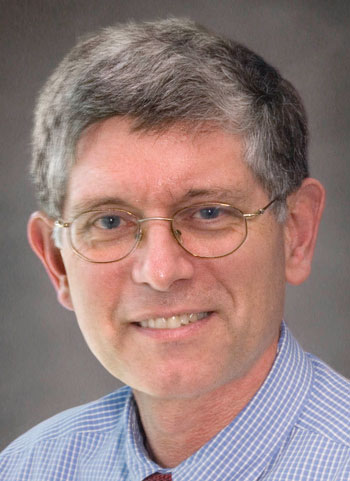
Thompson Ian M. Thompson Jr., M.D., received the Huggins Medal, the highest award bestowed by the Society of Urologic Oncology. The award is given annually to recognize outstanding contributions in furthering the science of urological oncology and in furthering patient care for individuals with genitourinary cancer. Dr. Thompson is professor and chairman of the Department of Urology and the Henry B. and Edna Smith Dielmann Memorial Chair in Urologic Science. He also holds the Glenda and Gary Woods Distinguished Chair in Genitourinary Oncology at CTRC and leads the Urologic Cancer program of the Southwest Oncology Group, the nation’s largest cancer clinical trials organization.

Employees honored at Presidential Awards
Faculty and staff members who exemplify exceptional leadership in their fields were recognized at the 2009 Presidential Awards ceremony. The Health Science Center’s highest honor, the Presidential Distinguished Scholar award, was presented to Peter T. Fox, M.D., director of the Research Imaging Center. Dr. Fox also is professor of radiology, psychiatry, neurology and physiology and vice chair of research and research education in the Department of Radiology. He was recognized for his extraordinary and pioneering achievements in the field of neuroscience imaging. The other award winners are:
Presidential Junior Research Scholar
- Nicolas Musi, M.D., Medicine/Diabetes
Clinical Excellence Award
- Alicia Galvan, D.D.S., General Dentistry
- Karen Hentschel-Franks, D.O., Pediatrics
- David F. Jimenez, M.D., FACS, Neurosurgery
Teaching Excellence Award
- Robert Castro, M.D., Pediatrics
- Taline Dadian Infante, RDH, M.S., Dental Hygiene
- Rebecca Loredo-Hernandez, M.D., Radiology
- Catherine Ortega, Ed.D, PT, ATC, Physical Therapy
- Fred Richards III, Ph.D., Cellular and Structural Biology
- Frank Weaker, Ph.D., Cellular and Structural Biology
Employee Excellence in Service Award
- Linda Ancira, Biochemistry
- Beverly Heisler, Cellular and Structural Biology
- Darleen Loftice, Pediatrics
- Jude A. Lynch, Library
- Lester Rosebrock, Academic Technology Services
Presidential Volunteer Service Award
- Dawne Ideker-Sowle, Obstetrics and Gynecology
- Alice Allen, Regulatory Affairs-Compliance
- James Lukose, student, School of Nursing

Superheroes
How heroes build heroes
Joel Torres was only 7 years old when his father died at the young age of 34. Joel didn’t understand why his dad was sick. He watched helplessly as his father’s illness worsened, he weakened and passed away in 1986.
After his father’s death, Joel’s mother, Teresa, who had little education and spoke only Spanish, was unable to secure steady employment. Needing to support herself and her four children, she made the difficult decision to accept work as a migrant farmworker. It was labor the whole family could do to supplement their income.
Every summer, the family packed up and drove east from their home in Alamo, Texas, to Michigan, and then west to Idaho where they rose at dawn and worked in the fields until the sun went down. In Michigan they harvested asparagus, apples, peaches and plums. In Idaho they picked potatoes and sugar beets.
"It was vital that we snapped the asparagus at its base as close to the ground as possible. If not, the remaining stem would dry, harden and develop sharp edges that would cut your hands the next day when you picked the adjacent row," Joel said. "I remember our first year; all of our hands were badly cut because of poor technique. But we learned quickly."
It was in the fields when little Joel was weary that he would think about his father. He wished he could have cured him. He dreamed of studying medicine someday so he could help others like his dad.
"I always found medicine fascinating," Joel said. "The ability to heal people seemed more like a superpower than a profession, right up there with flying or telekinesis."
Joel’s mother wanted to ensure that her children attended school to have opportunities she never had. So, she made sure the family returned home to Alamo before the school year began. The family sacrificed their paychecks in the fall and spring, but their education was worth it and soon paid off.
Joel graduated as valedictorian of Pharr-San Juan-Alamo High School in San Juan, Texas, and went on to earn a bachelor of science degree in mechanical engineering from the Massachusetts Institute of Technology in 2001 and a master of science in biomechanical engineering from Stanford University in 2003. While at Stanford, Torres’ innate talent for problem solving and engineering soon had him designing award-winning medical devices. The same hands that had been dirty and torn by the sharp asparagus stocks years earlier were now building vascular access grafts for patients on hemodialysis and enhanced intubation devices.
But the memory of his father and the idea of being able to help patients inspired him to apply to medical school. With many options to choose from, Joel selected The University of Texas Health Science Center at San Antonio for his studies because, he said, of its excellent reputation and its close proximity to his hometown and because the diverse student body made him feel at home. He is currently a third-year medical student and plans to graduate in May of 2009.

Scholarship brings students and donors together
Joel first met philanthropists Joe R. and Teresa Lozano Long at the Health Science Center when he was named a recipient of the Joe R. and Teresa Lozano Long Presidential Scholarship. He found that the couple had more in common with him than he imagined. Both Joel and the Longs had grown up in small Texas towns. Both Joel and Mr. Long had been valedictorians of their high school classes. And, finally, Mrs. Long’s first name was Teresa, spelled exactly the same as Joel’s mother’s name. But it was Joel’s mother’s work ethic and deep commitment to education that Joel recognized in the Longs.
"I see that education and hard work are very important to Mr. and Mrs. Long, just as important as they have always been to my mother," Joel said.
Through the Joe R. and Teresa Lozano Long Presidential Scholars program established in 2000 at the Health Science Center, the couple has assisted dozens of medical students from South Texas and the border region. The Longs’ donations of $943,200 to the university have provided full scholarships to medical students who intend to return home to the South Texas/Border Region to practice. Joel is one of 28 medical students awarded scholarships since the program began. The scholarship covers students’ tuition, fees, instruments, textbooks and additional educational expenses.
Joel said he is forever grateful to the Longs for their scholarship because the funds have helped reduce his overall educational debt. "Sometimes I feel that saying ‘thank you’ isn’t enough to show appreciation to people as generous as the Longs," Joel said. "They have given me a wonderful gift, not only financially, but also the gift of their trust that one day I will honor by becoming the best physician that I can be."
Celebrating a historic $25 million gift
On May 8, Joel had the opportunity to honor the Longs for their generosity by participating in the naming ceremony of the Joe R. and Teresa Lozano Long Campus at the Health Science Center. The celebration honored the historic additional $25 million gift the Longs gave the Health Science Center this past fall to supplement scholarships, fund research programs, and to recruit and retain gifted faculty. Health Science Center officials named the central campus in honor of the Longs’ generosity.
Francisco G. Cigarroa, M.D., Health Science Center president, led the festive ceremony, which was attended by an estimated 400 faculty, staff, students and community leaders.
"Joe and Teresa, you are heroes to all of us," Dr. Cigarroa said. "Because of you, Texans will be healthier, and additional young people with the dream and determination to pursue health careers will have the resources to do so. Investigators seeking cures for diabetes and other diseases common in South Texas will have a better chance of finding those cures. And additional preeminent faculty will be recruited to teach and conduct research. You have indeed made a grand gift for Texas."

State Senator Judith Zaffirini, Ph.D., an ardent supporter of education for all Texans and a long-time advocate for the Health Science Center, added a touching tribute to the Longs.
"Today, we celebrate the $25 million transformational gift from Joe R. and Teresa Lozano Long. What vision, what commitment, what generosity. That is the stuff Joe and Teresa are made of," Sen. Zaffirini said. "Their greatest joy, love and passion is their partnership through the Long Foundation where they are dedicated to transforming lives. Joe and Teresa have embraced each other and succeeded together through their partnership. Now, they are helping so many others succeed as well."
Sen. Zaffirini thanked James R. Huffines, vice chairman of The University of Texas System Board of Regents, and all the Regents for moving forward with the naming of the Health Science Center campus in the Longs’ honor. "Because of your vision, generations of students who will never meet Joe and Teresa Lozano Long will understand their legacy," she said.
At the close of the ceremony, cheers erupted as Regent Huffines led the unveiling of the monument bearing the new name of the campus.
Joel said he felt privileged to spend time with the Longs and didn’t hesitate to thank them again. But it was the Longs who praised Joel, the other student scholars and all the students at the Health Science Center.
"The reason we’re doing this is because we truly believe this institution can continue to be an outstanding place that helps many, many people in Texas and across the border," Teresa Lozano Long said. Joe R. Long added: "What we consider the real legacy are the students who will be educated as a result of these endowments. They will make a difference in the future of health care for generations to come."
Honoring an investment
Making a difference is exactly what Joel plans to do.
"Among the greatest aspects of my education at the Health Science Center are the volunteer opportunities that the school offers me, as well as the time I spend at the Regional Academic Health Center in Harlingen, "Joel said. "I have had the privilege of living in different parts of the country, and I can think of no other place I would rather practice medicine than in the Rio Grande Valley. It is in the Valley that I feel I will be the most effective as a physician."
Joel credits the Health Science Center with affording him the knowledge and skills to be the best health care provider he can be.
"The training I’m receiving has helped me to understand all aspects of medicine, disease, suffering and compassionate care. Now I fully understand the illness my father suffered from so many years ago, and I can explain it to my family," Joel said. "The field of medicine provides the opportunity to learn for a lifetime. Now I’ll be able to help patients who suffer like my father did." Joel said he wants to pass knowledge on by mentoring high school students interested in careers in medicine.
"Sometimes children just need a little encouragement so they can believe in themselves," he said. "You have to invest time in them. If I met a child who came from a similar background as mine, I would say to him: ‘Sometimes you can’t control the challenges in your life, but you have the power to change your future through education. Education is the great equalizer, and it’s worth fighting for and investing in.’"
To Joel, his family and the Longs are heroes - examples of hard work, sacrifice and dedication to education. To them, Joel is a symbol of hope and an example of an investment of which they can truly be proud. His father would have been, too.
Seeing, Believing, Healing
The Center for Medical Humanities & Ethics is developing future physicians who better understand the needs of the impoverished and underserved and reach out globally to serve them.
Students emerge from the Center’s academic, outreach and service-learning-based programs better prepared, more confident in their abilities and more compassionate toward patients.
Thanks to the generous support of private donors and grants from foundations to the Long School of Medicine and the Center for Medical Humanities & Ethics, Health Science Center students are allowed to travel throughout South Texas and the world to help people in need of vital health care. Students participate in medical rotations, mobile health clinics and educational programs to help communities organize their health care resources.
Students report tremendous success and many indicate that more women in the regions they visit are taking on leadership roles on newly created health advisory committees in their communities.
Scholarships and grants from private donors, including the Paul Piper family, and from foundations and other sources, fund students’ airfare, travel and housing abroad. Various fundraisers initiated by students supplement funding.
Students witness their own lives transformed as they help change and improve the lives of the people they serve.
Summer Rotation in Africa
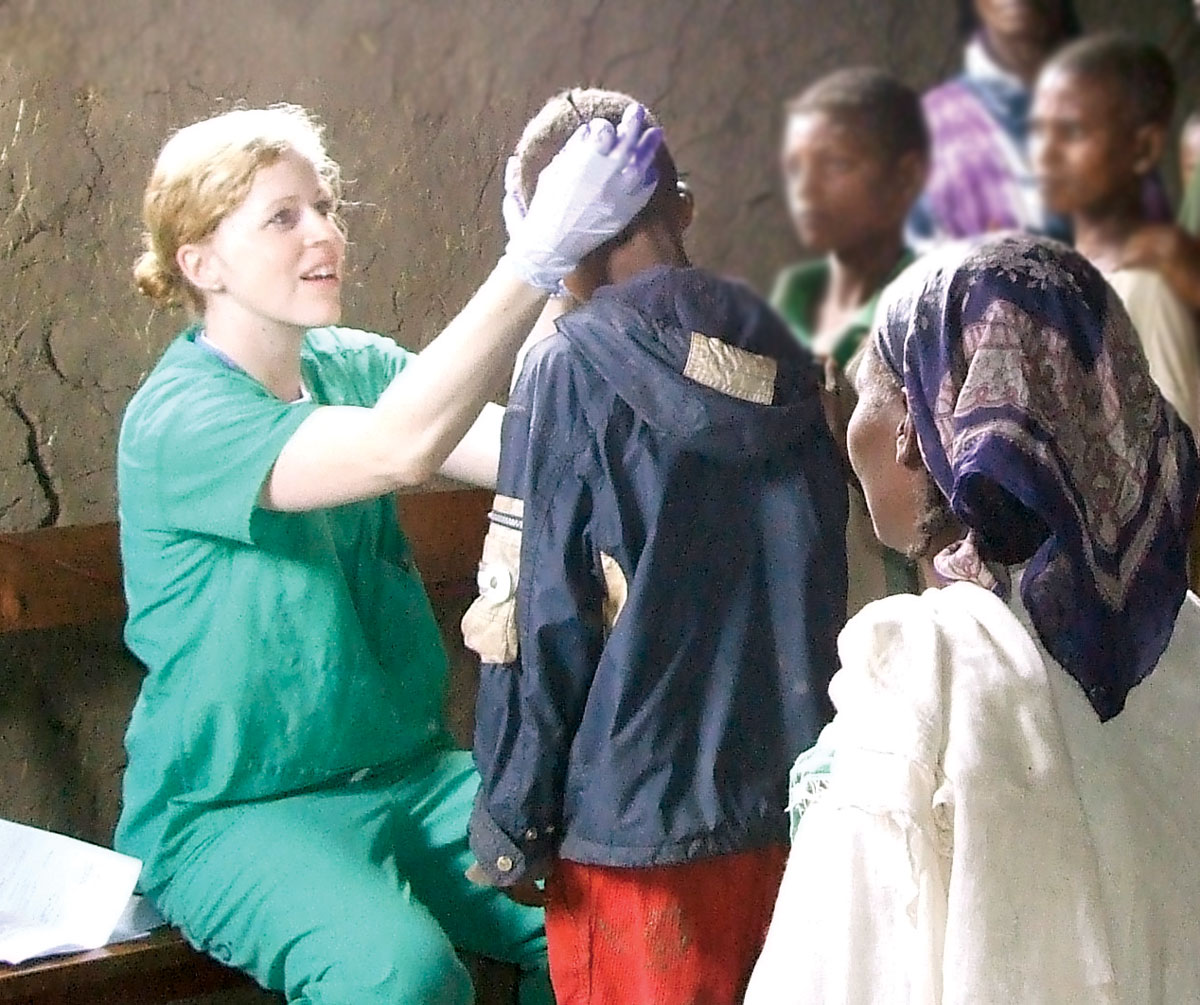
The Ethiopian woman shuffled slowly down the dirt road on her way to the market. Health Science Center second-year medical student Shannon Toews and fellow medical students followed nearby as they walked their routine one-mile path to Glenn C. Olsen Primary General Hospital in Yetebon, Ethiopia, where they were doing their volunteer work.
"We met many people on that road, but I’ll never forget her," Toews said. "The dark, fine features that mark every Ethiopian with a unique beauty were overshadowed by the relentless swelling in her neck - a goiter the size of a large orange." In underdeveloped parts of the world, goiter is caused by malnutrition and a lack of iodine in the diet.
"We knew exactly what we needed to do the moment we learned of her plight," Toews said. Learning that the woman could not afford treatment for her goiter, the students pooled resources and paid out of their own pockets for her to have the goiter surgically removed. Toews, whose blood type matched the woman’s, also donated a unit of blood in preparation for the woman’s surgery.
"This was the first time we learned how to draw blood," Toews said. "We practiced on one another. I learned new skills and I felt honored to be able to make such a personal investment in this woman’s health care. There was something undeniably personal about donating my own blood to her, and it was a privilege to be able to see her through the surgical process."
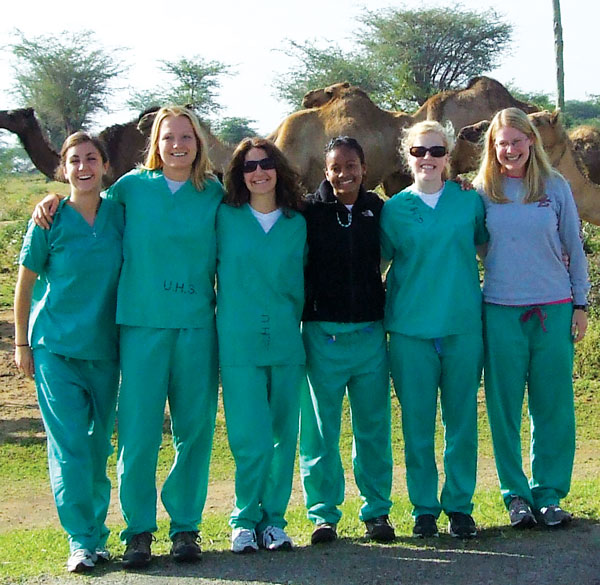
Toews was in Ethiopia during the summer of 2007 as part of the Center for Medical Humanities & Ethics’ international medicine elective program. This was the first year the Center awarded scholarships for students to travel and work in Ethiopia. Ruth Berggren, M.D., associate professor and director of the Center, said she plans to make this trip an annual option for medical students at the Health Science Center.
Ethiopia, located in Eastern Africa, is one of the continent’s most populated nations and among the poorest in the world. Diseases not commonly found in the United States are more widespread in Ethiopia because of a number of factors, including lack of health care resources, poverty, poor sanitation and malnutrition. According to the World Health Organization, adequate medical care is limited in Ethiopia because fewer than three physicians are available per 100,000 citizens.
"I believe that the need is the call," Toews said. "That is why I chose medicine as my career. I’ve always been interested in helping others, especially those who cannot help themselves. This is my passion. It’s about being human. I’m grateful the Health Science Center is allowing me the opportunity to fulfill my calling, share my experiences and help those who need it the most. "
- Seventeen students have traveled to Ethiopia since the trip was initiated in 2007. Their airfare, travel and housing have been funded by generous private donors.
International Medicine Elective in India
Paul Gravel and Rachel Hassan, both fourth-year Health Science Center medical students, traveled to Vellore, India, in January 2008 with four other students, where they participated in medical rotations at Christian Medical College (CMC) and in community health activities in some of the most rural areas of Vellore. One of the experiences they said impacted them the most was the time they spent at the CMC New Life Centre that focuses on the rehabilitation of patients with leprosy.
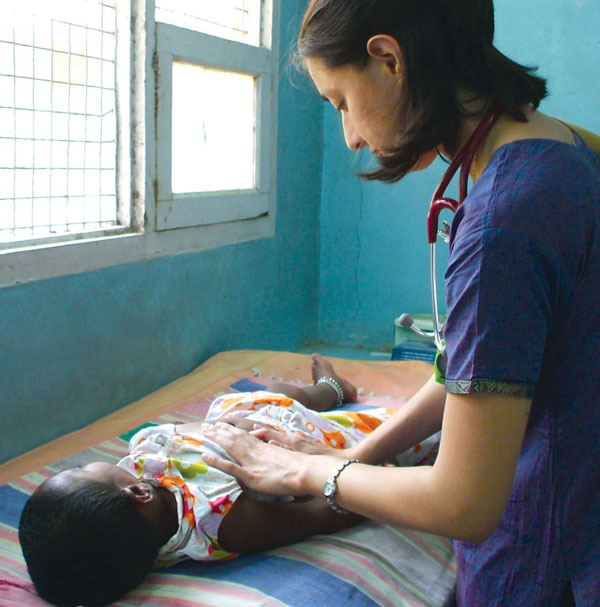
"Most of the leprosy patients we saw did not have any sensation in their extremities," Gravel said. "We saw many amputees and patients with severe deformities. It was somewhat similar to the neuropathy we see in diabetics in the U.S., but to a much larger degree." According to the World Health Organization, if left untreated, leprosy can cause nerve damage, leading to muscle weakness and atrophy, and permanent disabilities in the limbs and eyes. In nine countries in Africa, Asia and Latin America, leprosy is still considered a public health problem. These countries account for about 75 percent of the global leprosy burden. Gravel said he was impressed with the leprosy research conducted at CMC. "Clinical trials, drug-resistance studies and vaccine-tolerance analysis are just some of the outstanding leprosy research programs conducted at CMC," he said.
"We are fortunate to be exposed to different cultures and different people with different circumstances," Hassan added. "The faces I saw in India will remain with me and encourage me forever. I know there is a lot we can do to make life better for people no matter where they live or what their situations may be, and that is my goal."
- Fifty students to date have received the Paul Brand International Medicine Scholarship to volunteer in India. The scholarship, funded by generous private donors, is named for the late Paul Brand, M.D., world-renowned orthopaedic surgeon who conducted pioneering reconstructive surgery on leprosy patients in India.

Victory for a Virus
In June 2007 Kenny Scott, 52, visited Ron Williams, M.D., Ph.D., a Health Science Center orthopaedic oncologist, at the Sarcoma Clinic at the Cancer Therapy & Research Center (CTRC). But what was supposed to be a regular checkup turned out to be far from normal. Scott learned that day what all cancer patients fear: his cancer had returned. The same type of cancer (synovial sarcoma) that had been removed from his arm 4 1/2 years earlier had metastasized to his lungs. He also learned there was no cure.
"Chemotherapy would prolong my days, but the type of chemo I needed would have such terrible side effects that I decided it was not a good option for me," Scott said. "I was told it might give me a few more weeks or months, but my quality of life would deteriorate immediately with no real chance of improvement. At that point my wife and I were praying for a miracle, for guidance to know the direction that God wanted us to go and for more faith."
Two weeks later, Scott received a call from Dr. Williams, who told him about another option to fight his terminal cancer. Researchers at the CTRC Institute for Drug Development were studying a novel anti-cancer therapy called REOLYSIN®. Dr. Williams was confident this experimental treatment might benefit Scott.
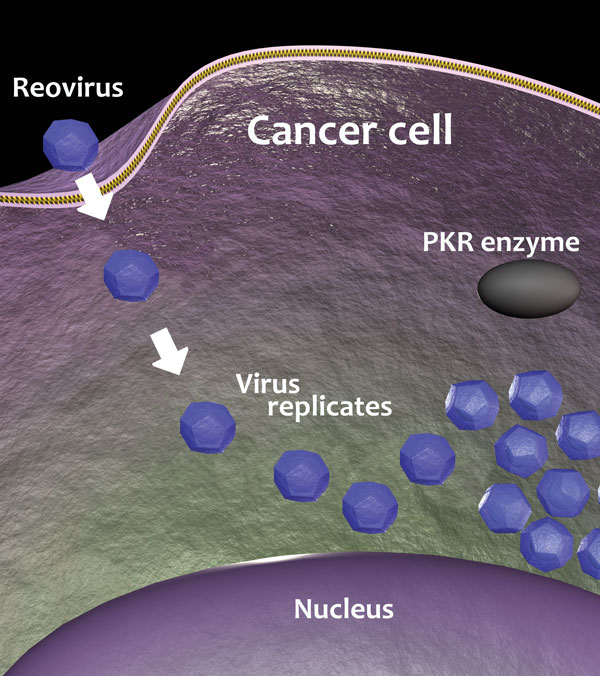
REOLYSIN®, which is a living virus, not a chemotherapy drug, is toxic to cancer cells but not harmful to normal cells. In earlier studies, the therapy had shown some possible hope in slowing tumor growth and even knocking cancers into remission.
According to Monica Mita, M.D., principal investigator of the REOLYSIN® study at the CTRC, the drug’s name was derived from the human reovirus, a mild virus that occurs naturally in the environment.
"This novel therapy has shown success because the reovirus replicates in and destroys the cancer cells within the patient’s body," Dr. Mita said. "Cancer cells have several molecular and genetic abnormalities. In normal, healthy cells, the reovirus is unable to reproduce because of an enzyme named PKR. The enzyme is suppressed in cancer cells, and therefore the reovirus can replicate in the cancer cell and kill it."
Oncolytics Biotech Inc., the biotechnology company sponsoring the study, announced in February that the therapy has been successful and has been approved to proceed to full enrollment for patients with various types of sarcomas that have spread to the lungs.
"REOLYSIN® typifies the true targeted therapy approach that seeks to use fundamental differences between cancer and normal cells as the basis for effective anti-cancer approaches, and we are thus very excited about this study," said Francis Giles, M.D., deputy director of the CTRC at the UT Health Science Center at San Antonio.
According to the study protocol, to proceed to full enrollment of 52 patients, at least one patient in the first 38 patients treated must experience a complete or partial response or stable disease for longer than six months.
Scott has responded well to the novel therapy. A computed tomography scan showed that his cancer stabilized for more than six months. These results were confirmed by a more advanced imaging technique called positron emission tomography or PET.

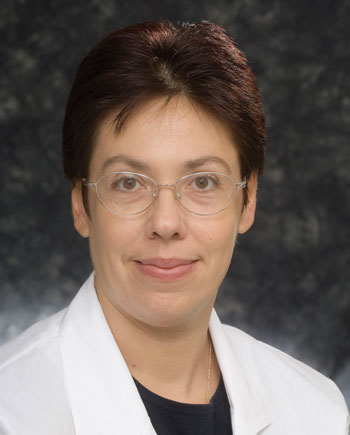
(L) Francis Giles, M.D., is professor and the A.B. Alexander Chair in Medical Oncology, deputy director and the AT&T Chair at the CTRC at the UT Health Science Center, director of the Institute for Drug Development, and program leader for the Experimental Therapeutics Program.
(R) Monica Mita, M.D., is assistant professor of Medicine/Hematology and Medical Oncology at the Health Science Center and a medical oncologist at the CTRC.
"Being diagnosed with cancer is a life-changing experience, but being in this study has been another life-changing experience because the therapy is actually doing what they want it to do," said Scott, who travels to the CTRC from Big Spring, Texas, to receive treatment. "My wife and I are better people than we were five years ago when I was diagnosed with cancer."
A total of 15 patients, all of whom have been treated at the CTRC, have received the new treatment to date. Eligible patients are those who have a bone or soft tissue sarcoma that has spread to the lungs, and who are deemed by their physician to be unresponsive to or untreatable by standard therapies. These include patients with osteosarcoma, Ewing sarcoma family tumors, malignant fibrous histiocytoma, synovial sarcoma, fibrosarcoma and leiomyosarcoma.
"We are very pleased to proceed to the second stage of this study," Dr. Mita said. "This unique targeted compound has met our expectations so far in terms of both tolerability and efficacy endpoints. An added benefit is that the side effects of the treatment are minimal, similar to those of a mild flu or cold, compared to the often more serious side effects caused by chemotherapy treatment. We feel it is very important to continue to offer this agent to our patients."
Scott said he is grateful to have benefited from the research at the CTRC and hopes others will, too.
"Sarcoma seems to be a mysterious type of cancer and one that is difficult to treat," said Scott, who was diagnosed in 2003. "Since this new drug is an experimental therapy, not all patient stories are positive ones. It is my hope that many people with sarcoma will benefit from this study. Being a part of a study that offers hope to other patients is exciting."

Dental destruction
 Teeth prove to be susceptible to silent enamel-eating syndrome
by Natalie GutierrezCavities or not, your teeth could be in more trouble than you know because of a silent and destructive phenomenon called dental erosion. A faculty member at The UT Health Science Center at San Antonio has found that the incidence of dental erosion, which is the steady loss of the teeth’s protective enamel, is on the rise in the United States.
Bennett T. Amaechi, M.S., Ph.D., associate professor of community dentistry at the UT Health Science Center, and colleagues discovered a 30 percent prevalence rate of dental erosion among 10- to 14-year-olds in the United States. Dr. Amaechi led the San Antonio portion of the nation’s first population-based, multicenter study of dental erosion. The study, involving 900 middle school students, was conducted in 2004 and 2005 at Indiana University, the University of California at San Francisco and the UT Health Science Center San Antonio.
Dental erosion has not been widely analyzed in the United States. "This study is important because it confirms our suspicions of the high prevalence of dental erosion in this country and, more importantly, brings awareness to dental practitioners and patients of its prevalence, causes, prevention and treatment," Dr. Amaechi said.
Dental erosion is caused by acids found in products that are being more widely consumed than ever in the U.S. These include soft drinks, some fruit juices, sports drinks, herbal teas, beer salts, and the Lucas brand of candy imported from Mexico that is especially popular among children in San Antonio and South Texas.
"When consumed in excess, these products can easily strip the enamel from the teeth, leaving the teeth more brittle and sensitive to pain," Dr. Amaechi said. "The acids in these products can be so corrosive that not even cavity-causing bacteria can survive when exposed to them."
Dr. Amaechi said some medications including aspirin, when taken regularly, have erosive potential. Some underlying medical conditions such as acid reflux disease or disorders associated with chronic vomiting, including bulimia, also can cause dental erosion because of the gastric acids that are regurgitated into the mouth.
"It is important for dental practitioners to identify dental erosion and its causes before it is too late," Dr. Amaechi said. "Because dental erosion creates a smooth and shiny appearance of the enamel and causes no pain or sensitivity in its early stages, most patients are not aware that they are suffering from the condition until the problem becomes severe. Therefore, the responsibility of early detection and treatment falls on the professionals."
Dr. Amaechi’s findings were published in the international publication the Dental Tribune and have been translated in 35 languages. His article outlines the prevalence and potential causes of dental erosion and provides dental practitioners with guidelines for detection, diagnosis, treatment and prevention.
Appointments and Awards
Sunil K. Ahuja, M.D., professor of medicine, immunology and biochemistry, and director of the Veterans Administration HIV/AIDS Center, was featured as one of the "35 People Who Will Shape Our Future" in the February issue of Texas Monthly.
Lyda Arévalo, R.N., Ph.D., assistant clinical professor of acute nursing care, was awarded a Claire M. Fagin Fellowship. The two-year, $120,000 fellowship from the Building Academic Geriatric Nursing Capacity Program supports advanced research training and mentorship of nurses with doctoral degrees who are committed to academic careers in the field of nursing.
David L. Cochran, D.D.S., Ph.D., chair of the Department of Periodontics, was named to an ex-officio seat on the Board of Directors of the American Academy of Periodontology Foundation. Dr. Cochran is also president-elect of the American Academy of Periodontology.
Francis J. Giles, M.D., deputy director and AT&T Chair at the CTRC at the UT Health Science Center and director of the Institute for Drug Development, was honored as the recipient of the Medtronic Award at the National University of Ireland Galway Alumni Awards Gala.
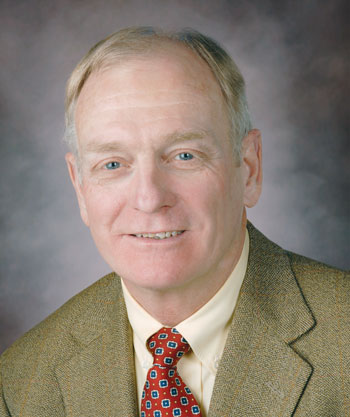
David Hillis, M.D., is chair of the Department of Medicine and the Dan F. Parman Distinguished Chair in Medicine. Dr. Hillis, a nationally recognized cardiologist, arrived from The University of Texas Southwestern Medical Center at Dallas.
Carlos Roberto Jaén, M.D., Ph.D., chair of the Department of Family and Community Medicine and the Dr. John M. Smith Jr. Endowed Professor, is a new member-at-large of the Board of Directors of the Association of Departments of Family Medicine.
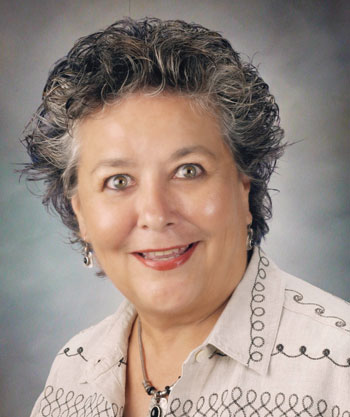
Norma Martinez-Rogers, R.N., Ph.D., associate clinical professor of family nursing care, was recently appointed to the American Hospital Association’s Commission to End Health Care Disparities. Dr. Martinez-Rogers was one of only three nurses selected after a competitive national search.
Thomas F. Patterson, M.D., professor of medicine and director of the San Antonio Center for Medical Mycology, has been elected as a member of the Subspecialty Board on Infectious Disease of the American Board of Internal Medicine.
Basil A. Pruitt Jr., M.D., professor of surgery, was honored in Riyadh, Saudi Arabia, as the co-winner of the 2008 King Faisal International Prize for Medicine. Dr. Pruitt has been an innovator in trauma management, including burns, for nearly 50 years.
Rajam Ramamurthy, M.D., was appointed to the Board of Directors of the Educational Commission for Foreign Medical Graduates Board. Dr. Ramamurthy is the medical director of the Premature Infant Development (PREMIEre) Program and holds the William and Rita Head, in honor of their children, Brice and Gretchen, Distinguished Chair in Developmental and Environmental Neonatology.
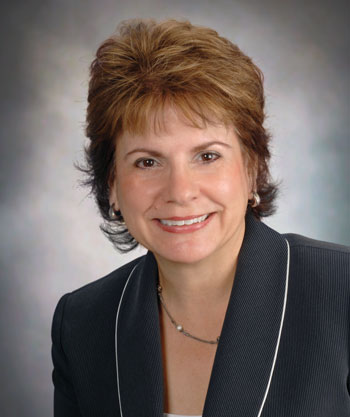
Amelie G. Ramirez, Dr.P.H., and Cynthia D. Mulrow, M.D., M.Sc., were elected to the Institute of Medicine of the National Academies. Membership is one of the highest honors in American medicine. Dr. Ramirez is professor of epidemiology and biostatistics and founding director of the Institute for Health Promotion Research, the Dielmann Chair in Health Disparities and Community Outreach, and the Max and Minnie Voelcker Endowed Chair. Dr. Mulrow is a clinical professor of medicine.
Qitao Ran, Ph.D., associate professor of cellular and structural biology, received the 2007 Nathan Shock New Investigator Award from the Gerontological Society of America.
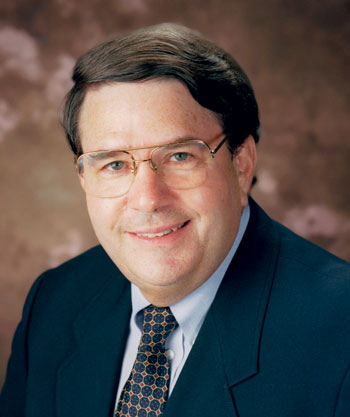
Arlan G. Richardson, Ph.D., is the 2008 recipient of the Irving S. Wright Award of Distinction. The award is the highest honor presented by the American Federation for Aging. Dr. Richardson is a professor in the Department of Cellular and Structural Biology, occupies the Methodist Hospital Foundation Chair in Aging Studies and Research, and directs the Sam and Ann Barshop Institute for Longevity and Aging Studies.
Ian M. Thompson Jr., M.D., professor and chair of urology and director of the CTRC Genitourinary Clinic, was selected to serve as a co-chair for the National Cancer Institute Genitourinary Steering Committee.
W. Kenneth Washburn, M.D., associate professor of surgery, received a two-year appointment as vice chair of the Liver and Intestinal Organ Transplantation Committee of the United Network of Organ Sharing.