
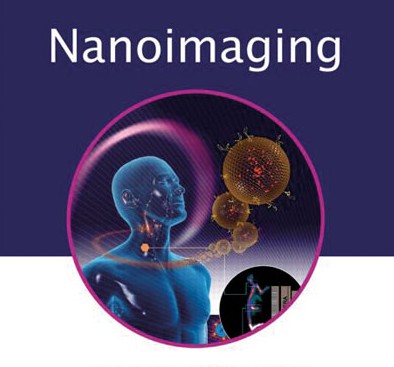
Researchers co-author book on nanoparticle imaging
 Researchers in the Long School of Medicine co-authored a new book on the imaging of nanoparticles - tiny particles that in the future may prove to be eminently useful for drug delivery in humans. "Although there has been a lot of hype about nanoparticle technology, and some things don’t work or are clearly impractical, I predict this technology will be a major force in clinical care," said nuclear medicine physician William T. Phillips, M.D., co-author and co-editor of "Nanoimaging," published by Pan Stanford Publishing. "Some practical ways will include delivering increased amounts of therapeutic agents to infections, lymph nodes, bone marrow and tumors." Dr. Phillips and biochemist Beth A. Goins, Ph.D., both in the Department of Radiology, lead a team that is pioneering research of nanoparticle technology, particularly the imaging of these tiny particles. "We have some promising ideas for projects and products utilizing nanoparticles, but those require investment and company generation," said Dr. Goins, co-author and co-editor of the book.

Teens get hands-on introduction to health and science careers at annual expo
More than 1,500 college and high school students from throughout South Texas learned how to intubate manikins, start an intravenous (IV) line, immobilize a patient as paramedics do, administer visual acuity and respiratory function tests and much more at the 2011 Health Professions Fair & Science Expo held this past fall on the UT Health Science Center San Antonio campus. Through these hands-on experiences, students were exposed to a wide range of health-related and biomedical professions. "I thought it was a great way to expose a lot of students at once to everything the Health Science Center offers," said Irene Chapa, Ph.D., director of the Office of Recruitment and Science Outreach. "It was also a great opportunity for our Health Science Center students to really put their knowledge into practice by teaching." Faculty and students from all five schools at the Health Science Center participated.

Branch named Dentist of the Year
Warren B. Branch, D.D.S., was named the 2011 Dentist of the Year by the Texas Academy of General Dentistry, one of the most prestigious honors a Texas dentist can earn. Dr. Branch is a 1981 graduate of the Dental School and has maintained a practice in San Antonio for more than 30 years. Since 1999, he has been selected byTexas Monthly magazine as a "Top Dentist" in the state. Outside of his practice he has served as a faculty member at the UT Health Science Center and on the university’s Dean’s Leadership Council and President’s Advisory Council. Dr. Branch remains active with the San Antonio Christian Dental Clinic and Big Brothers, Big Sisters of San Antonio and regularly participates in mission trips to Mexico, Guyana and Haiti to provide dental care to underserved populations.
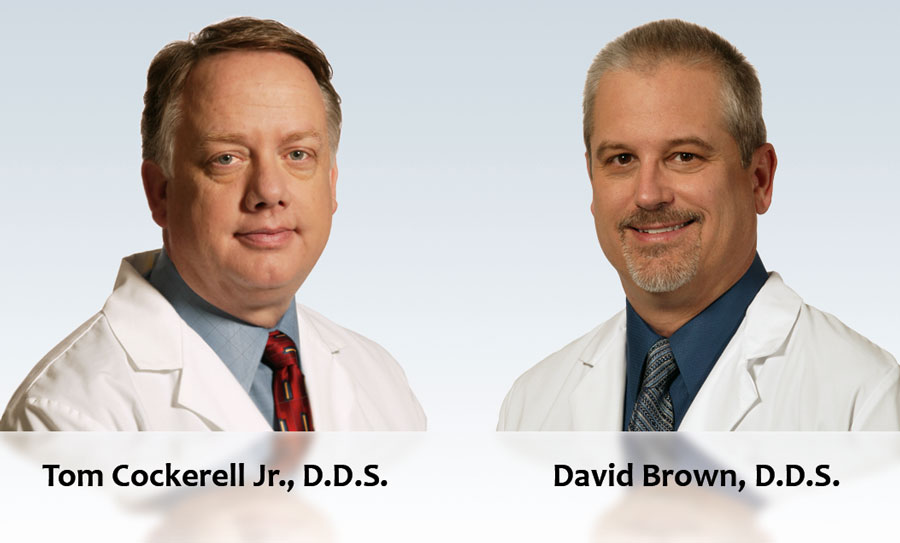
Maestros of dental care
Alumni develop extraordinary clinical software
After graduating from Dental School at the UT Health Science Center in 1979, Tom Cockerell Jr., D.D.S., established his practice in 1980. Eventually his experiences providing dental care to medically compromised patients led to his conception of "Dental Symphony" software.
Dental Symphony is a set of Internet-based software modules that dentists use alongside their existing practice management applications. The ePatient Module is one of five modules and aids in moving patients into care. The application enables patient assessment as it is designed to answer questions that dentists confront in the clinic.
Dr. Cockerell is the primary designer of Dental Symphony and serves as the moderator for its nationally renowned clinical team. A key member of the team is David Brown, D.D.S., who is one of Dr. Cockerell’s fellow Dental School graduates of the class of 1979. Dr. Brown practices in Bedford, Texas, as a general dentist focusing on implant prosthetics and complex rehabilitations.
"Dentists have a lot of clinical science to keep up with, so with that in mind, the system was designed to make even the most difficult patient management easier," Dr. Cockerell said. "The goal of the team was to think for the dentist regarding what they want to know about any disease or pharmacology profile, and provide the answers even before the patient arrives at the office."
Through a link on the dental practice website, the module registers patients and develops medical histories using follow-up questions. The responses induce specially created summarized medical information, which attaches to the submitted information and can be immediately used by the staff. The profile triggers alerts for medical risks. Pertinent drug descriptions and interaction warnings are also given.
"We chose the name Dental Symphony because we wanted to suggest something extraordinary," Dr. Cockerell said. "Great orchestras adhere to rules and note structure to produce transcending experiences. Such transcendence might not be realistic for a clinical software application, but why not aim for it anyway? That’s where we started and keep in front of us even now."
For more information, visit www.dentalsymphony.com.

Appointments and awards
Eileen T. Breslin, Ph.D., RN, FAAN, dean of the School of Nursing, has been chosen president-elect of the American Association of Colleges of Nursing (AACN). She will serve as president from 2014 to 2016. The AACN is the national voice for university and four-year college education programs in nursing, representing more than 690 member nursing schools at public and private institutions. Her longtime service on the AACN Board of Directors includes the role of treasurer (2005-2009), member-at-large (2001-2005), and member of the Government Affairs Committee (1994-1998). She also represented the AACN at the American Nurses Association Congress on Nursing Practice and Economics and as a member of the AACN/Department of Veterans Affairs Liaison Committee. Her most recent honors include the President’s Award from the National Association of Hispanic Nurses and the Sigma Theta Tau Image Maker Award. Dean Breslin is a fellow of the American Academy of Nursing and the American Academy of Nurse Practitioners. She also is a Distinguished Practitioner in Nursing of the National Academies of Practice.
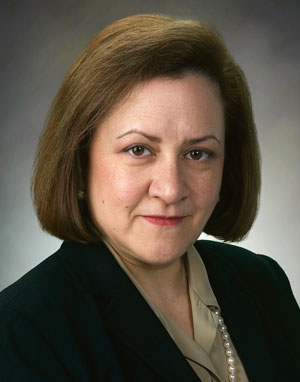
Lily T. Garcia, D.D.S., M.S., professor and director of the Division of Advanced Education and External Affairs in the Department of Comprehensive Dentistry, was named president of the American College of Prosthodontists (ACP) during the College’s 41st Annual Session in Scottsdale, Ariz. Dr. Garcia is an accomplished author, having published numerous articles and abstracts. She has edited several dental textbooks, served as a reviewer and editorial board member for several scientific journals, and co-authored the text "Osseointegration and Occlusal Rehabilitation." Dr. Garcia is a diplomate and fellow of the ACP.

Kenneth Kalkwarf, D.D.S., M.S., dean of the Dental School, was named vice president of the American College of Dentists (ACD). The ACD is the oldest national honorary organization for dentists and selects less than 3 percent of U.S. dentists to be part of its fellowship, one of the profession’s highest honors. Dr. Kalkwarf is one of 26 UT Health Science Center Dental School faculty members who are fellows of the ACD. "Over the past few years, the ACD has developed a great program to allow health professionals to assess the ethical and professional challenges that face us in today’s complex environment," Dr. Kalkwarf said. "My goal is to move this program and the discussions it stimulates into the grassroots of our profession - and into our educational programs."
David Katerndahl, M.D., professor of family and community medicine who is the Dr. Mario M. Ramirez Distinguished Professor of Family & Community Medicine, received a lifetime achievement award for his outstanding contributions to primary care research. The 2011 Maurice Wood Award was presented to Dr. Katerndahl at the annual meeting of the North American Primary Care Research Group in Banff, Alberta, Canada. Dr. Katerndahl has published 200 research papers and book chapters during his 30-year career. Many of those publications focus on identifying and managing panic and anxiety disorders within primary care clinics, rather than in specialty mental health settings. Recently, Dr. Katerndahl has found innovative ways to apply complexity theory to primary care. This has allowed him to study nonlinear patterns in domestic violence, aided by consecutive grants from the National Science Foundation, and to compare the complexity of primary care patient visits with specialist visits.
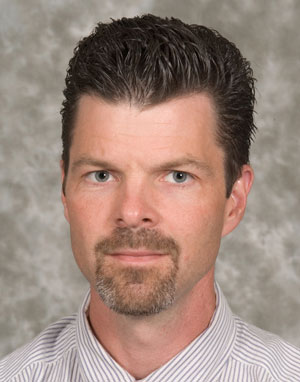
Robert Quinn, M.D., from the University of New Mexico, has been named chairman of the UT Health Science Center’s Department of Orthopaedics in the Long School of Medicine. A native of Bryn Mawr, Pa., Dr. Quinn obtained his M.D. degree at Hahnemann University School of Medicine in Philadelphia, completed an orthopaedic residency at the University of Connecticut School of Medicine, and a fellowship in orthopaedic oncology at Massachusetts General Hospital/Harvard Medical School. An internationally renowned musculoskeletal tumor specialist, he is a fellow of the American Academy of Orthopaedic Surgeons and member of several multidisciplinary research groups, including the Children’s Oncology Group, Southwest Oncology Group, Radiation Oncology Group, American College of Surgeons Oncology Group, and International Ewing’s Sarcoma Research Forum. In addition to orthopaedic surgery, Dr. Quinn is actively involved in the specialty of wilderness medicine.
Robert S. Schenken, M.D., professor and chair of obstetrics and gynecology and the Humana Foundation Distinguished Chair in Obstetrics and Gynecology, was recognized by U.S. News & World Report as one of the top reproductive endocrinologists in the country. Selected by a peer-nomination process, Dr. Schenken is in the top 1 percent of his specialty in the nation. He practices with UT Health San Antonio, the clinical practice of the Long School of Medicine.
Kathleen R. Stevens, Ed.D., RN, ANEF, FAAN, professor in the Department of Health Restoration and Care Systems Management in the School of Nursing, received one of the nursing profession’s most prestigious research honors - the Episteme Award. The award, presented biennially by the Sigma Theta Tau International Honor Society of Nursing, acknowledges a major breakthrough in the development of nursing knowledge that has resulted in a significant and recognizable benefit to the public. Dr. Stevens is director of the Academic Center for Evidence-Based Practice (ACE), a School of Nursing center of excellence that she founded in 2000. Through ACE, Dr. Stevens improves patient care through her efforts to build a workforce and work environments that move research quickly into high-quality care. To accomplish this, Dr. Stevens developed theories of evidence-based practice, established a national consensus on new skills needed in clinical care, and initiated a series of professional development conferences for clinicians, scientists and hospital leaders.
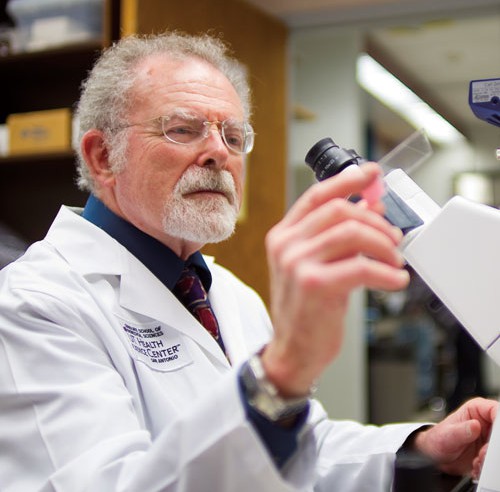
Employees honored at Presidential Awards
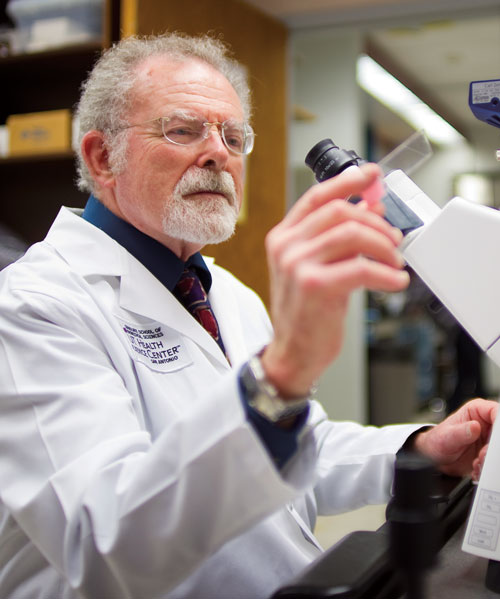
Presidential Distinguished Scholar
- Joel B. Baseman, Ph.D., Microbiology and Immunology
Junior Research Scholar Award
- Salvatore Oddo, Ph.D., Physiology
Teaching Excellence Award
- Constance L. Fry, M.D., Ophthalmology
- Margit B. Gerardi, Ph.D., RN, Family & Community Health Systems and Infectious Diseases
- Linda M. McManus, Ph.D., Pathology and Periodontics
- Kathleen A. Reeves, M.S.N., RN, Health Restoration & Care Systems Management
- Nhung Tran, M.D., Pediatrics
- Blane Trautwein, Ed.D., Deaf Education and Hearing Science Program and Otolaryngology - Head and Neck Surgery
Clinical Excellence Award
- Luis F. Angel, M.D., Pulmonary and Critical Care Medicine/UT Health San Antonio
- Carlayne E. Jackson, M.D., Neurology and Otolaryngology/UT Health San Antonio
- Martha P. Schatz, M.D., Ophthalmology/UT Health San Antonio
Employee Excellence Award
- Teresita D. Carrillo, Ophthalmology
- JoAnn Lieberman, Pediatrics
- Lupita Martinez, LMSW, Cancer Therapy & Research Center
- John R. Ramos, Lab Animal Resources
- Janice L. Smith, Graduate School of Biomedical Sciences
Life-giving lessons
Donors plant seeds that grow humanities and ethics education, locally and abroad
The Center for Medical Humanities & Ethics at the UT Health Science Center is developing competent and compassionate future physicians through its myriad educational opportunities in medical ethics and professionalism, community service learning, global health and literature and art, as each relates to medicine and the patient experience.
Ruth Berggren, M.D., professor and director of the Center for Medical Humanities & Ethics, said community support helps make these learning opportunities possible.
"It is because of generous donors and foundation support that our program is so unique in all of its offerings," Dr. Berggren said. "Students are eager to participate in courses that lead them to a solid understanding of medical ethics and humanitarianism because this is a step toward medicine as a calling. They see firsthand the social determinants of health and the context in which illness arises and affirm the value of expressing empathy for their patients, no matter where they come from. Students are ready to translate these values into practice after they graduate, whether it is in San Antonio, abroad or in any community they’ve chosen to serve."
$300,000 creates Cheever Family Endowment
This year, a new gift of $300,000 from Charles E. Cheever Jr. and his family, will support the curriculum of the Center for Medical Humanities & Ethics. Cheever is a longtime supporter of the UT Health Science Center and co-chair of the center’s Advisory Council.
The gift was initiated by Cheever’s six children who wanted to make a gift to the center in their father’s honor. Each contributed $25,000. Touched by his children’s gesture, Cheever matched the gift, thereby establishing the Cheever Family Endowment.
"I am humbled and honored by my children’s consideration and generosity," Cheever said. "And I am very proud to join them in supporting the teaching of ethics in medical school. This outstanding education is vital for generations of health care providers who will care for the people of our communities."
Transforming lives
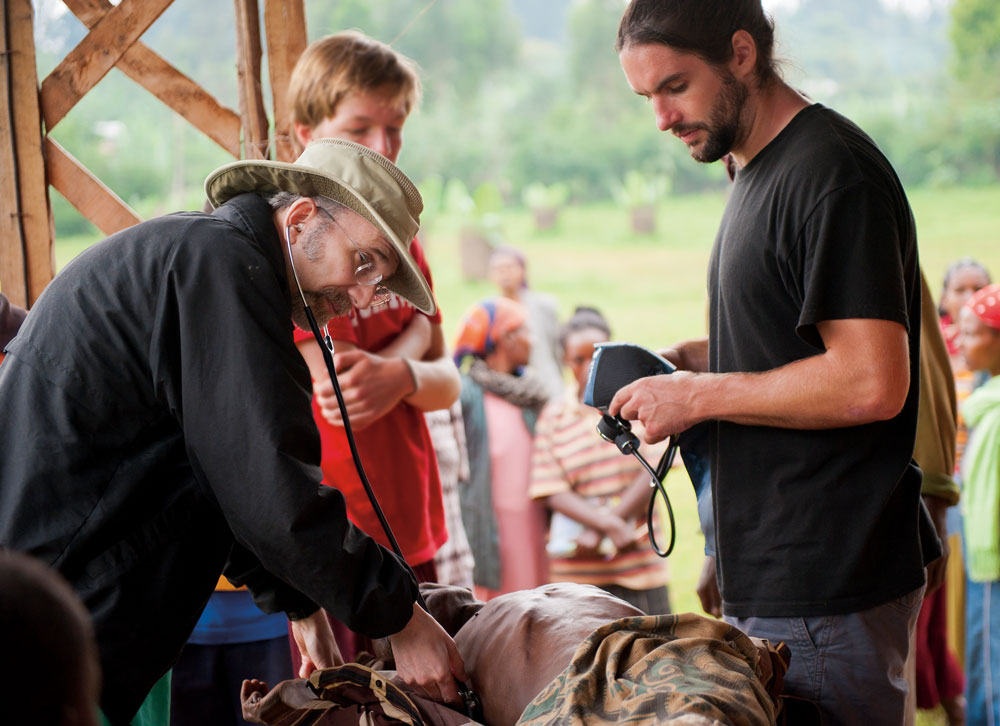
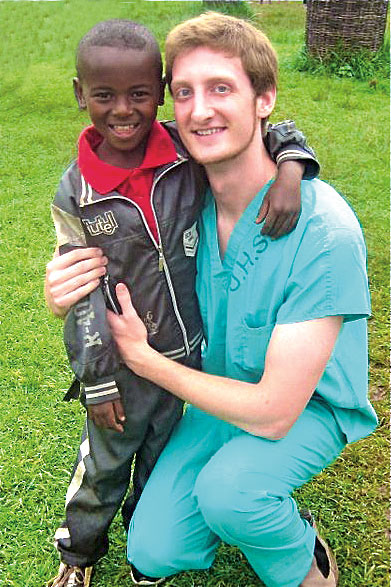
Last summer, Richard Usatine, M.D., assistant director of humanities education in the Center for Medical Humanities & Ethics, traveled with second-year medical students Amanda Lipsitt and M. David Meyer and six other students to Ethiopia. Consequences of the worst drought to hit the Horn of Africa in 60 years were evident in the village of Aleta Wondo where they stayed and worked. "In addition to a host of ailments, we saw more patients this year suffering from malnutrition, many with swollen bellies or emaciated bodies," Dr. Usatine said. They treated about 740 patients in one week. If they hadn’t, some may have lost their lives.
Growing my passion
By Amanda Lipsitt, MS-2
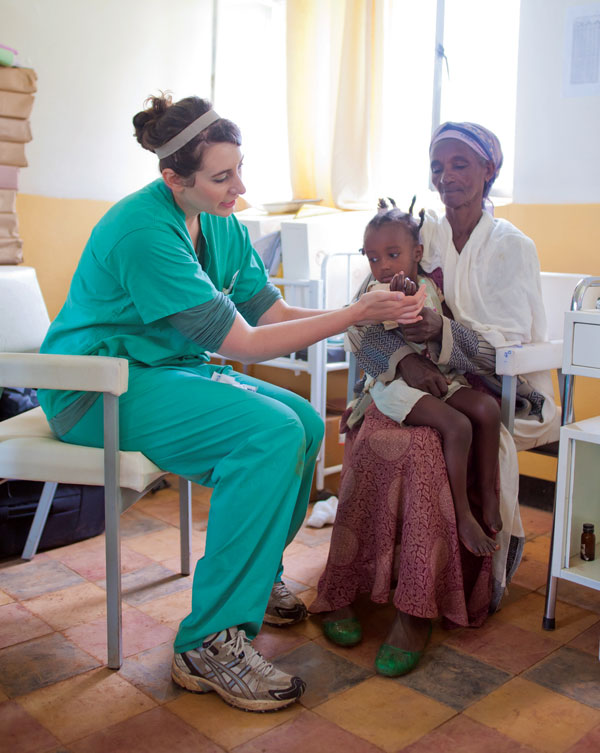
Amanda was interviewing villagers for a health survey when she met Tirfinish and her grandmother.
The little girl’s hand was so swollen that it looked like she was wearing a Mickey Mouse glove. I was so concerned I could barely concentrate on the survey. I took photos to show Dr. Usatine.
He said she might die without medical care, so my team and I brought antibiotics and painkillers to the child that day and urged a visit to the clinic the next morning.
When Tirfinish arrived at the clinic, Dr. Usatine diagnosed a bacterial abscess involving most of her hand. She needed surgical drainage to save her hand, and possibly her life. He numbed the hand and cut into the abscess with a sterile scalpel. The girl screamed but calmed down when Dr. Usatine offered a banana from his backpack. She ate it as her wound was dressed.
Until we left Aleta Wondo, we led twice-a-day visits to Tirfinish’s home, bringing medication and fresh bandages. No longer listless, Tirfinish was transformed into a normal, playful child by the time we left.
This experience has deepened my passion for working in underserved areas, globally and in my own community.
Understanding compassion
By M. David Meyer, MS-2
It was early morning and, amidst the crowd of people, our medical team spotted an older woman carrying a very young infant. As she approached us, we quickly noticed that on the baby’s neck was a mass about the size of a grapefruit. The baby was obviously in distress, so we immediately took her into the clinic and placed her in front of Dr. Usatine.
After careful preparation, he numbed the skin over the abscess as the child let out a roaring scream. An incision was made over the neck and pus poured out.
I felt terrible, caught in between trying to apply pressure to the incision and attempting to calm the baby’s reeling emotions. In the end, the abscess, along with the cup or two of pus, was removed and the child seemed content.
I was amazed that, in a place with such limited resources, we were able to help. It was as simple as some anesthetic, a scalpel and gauze to save something so precious - a child’s life. Only now do I understand the true meaning of humility and empathy.
Gifts make education possible
Amanda’s and David’s accounts are just two of hundreds that students and faculty at the UT Health Science Center experience through the Center for Medical Humanities & Ethics Global Health Curriculum. During the last four years, the center has provided 204 students the opportunity to serve communities across the globe in places such as Ethiopia, Guatemala, Haiti, the Dominican Republic and India. From 2004 to 2011, student participation has risen from 20 to nearly 70 per year, which reflects new courses in global health. These efforts are designed to promote sustainable improvements in health care and allow students to experience providing care in resource-poor settings.
Students participate in medical rotations, mobile health clinics and educational programs to help communities address common, preventable conditions and organize their health care resources.
"These trips began seven years ago, thanks to the generosity of Katy Piper and her family, through the Christ is our Salvation Foundation, who funded the first trip to Vellore, India," Dr. Berggren said. "This trip planted the seed for what has rapidly grown into our dynamic Global Health Curriculum today. Since then, many generous donors, including members of our Advisory Council and others, make these educational opportunities possible."
Dr. Berggren said community support allows the curriculum to continue to expand. The newest course, the Longitudinal Global Health Enrichment Elective, which was added this year, is full to capacity with 75 first- and second-year medical students enrolled and 36 on the waiting list.
"Caring for persons living in extreme poverty whether at home or abroad is a life-changing experience for the students," Dr. Usatine added. "This builds compassion and empathy and teaches students the value of caring even before they gain the clinical knowledge in later years."
For more information and to support the Center for Medical Humanities & Ethics, call 210-567-0028 or e-mail vasquezsg@uthscsa.edu.
Sheila Hotchkin contributed to this story.
Holly auditorium
$1 million gift pays tribute to outstanding alumnus
Renovation under way on Dr. and Mrs. James L. Holly Auditorium
In 1968, the UT Health Science Center opened its doors to the first medical students in San Antonio. Since then, faculty members in the Long School of Medicine continue to uphold the proud tradition of educating the next generation of outstanding physicians. Every graduate is well prepared to succeed as a knowledgeable expert and caring and compassionate physician.
Among the more than 5,000 alumni of the M.D., residency and fellowship programs who are practicing medicine throughout the world, one in particular stands out. James L. Holly, M.D., of Beaumont, Texas, is a 1973 graduate and served as president of the school’s Alumni Association from 2006 to 2010 because, he says, of his love and appreciation for the educational experience he received. Dr. Holly credits his professors, mentors, classmates and colleagues for shaping the physician he is today.
Early in his career as a physician in private practice, Dr. Holly met Wayne A. Reaud, chairman and founder of the Beaumont Foundation of America. Reaud was so impressed by Dr. Holly’s expertise, care and devotion that he wanted to pay tribute to the physician in a special way. So he chose to make a gift to the UT Health Science Center in Dr. Holly’s honor.
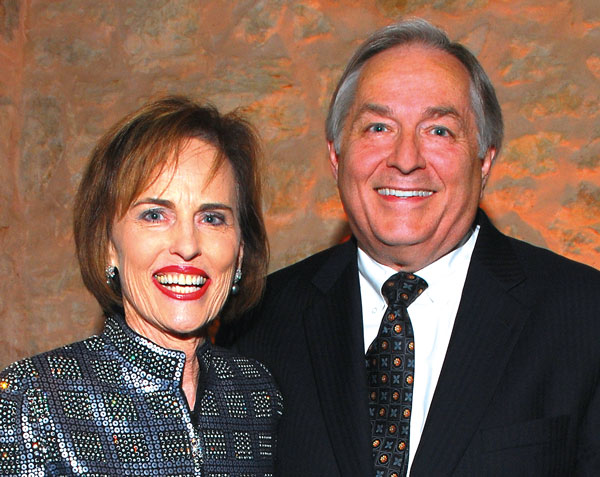
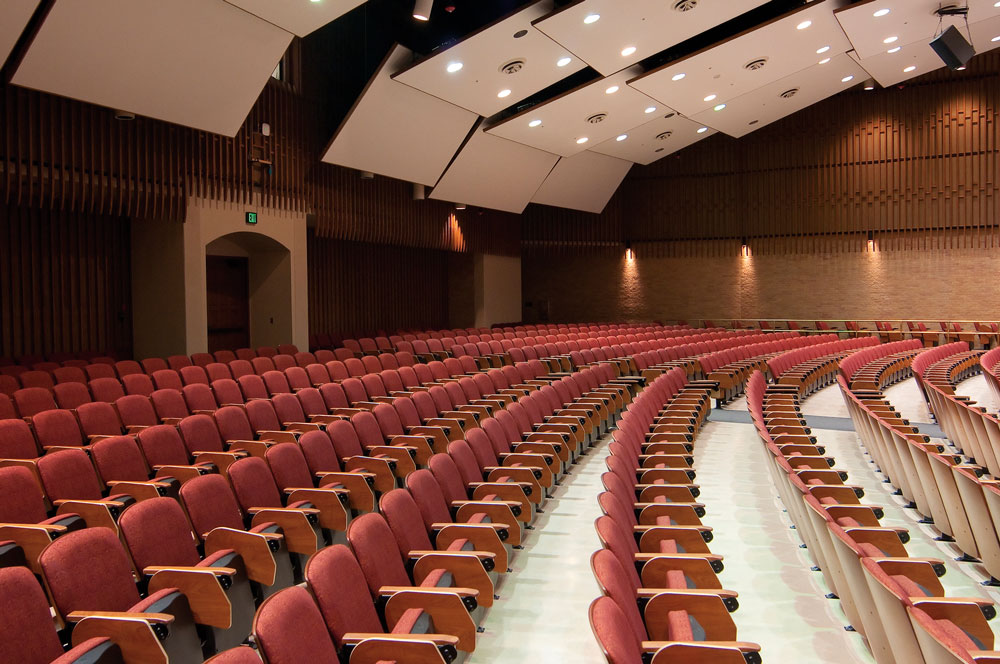
This year, Reaud’s gift of $1 million will fund the renovation of one the university’s and the Long School of Medicine’s most cherished meeting places - the Health Science Center’s auditorium - and the naming of it in honor of Dr. Holly and his wife, Carolyn.
William L. Henrich, M.D., MACP, Health Science Center president, expressed his gratitude.
"I cannot thank Mr. Reaud enough for his generosity," Dr. Henrich said. "And, I share his view that there is no couple more deserving than Larry and Carolyn Holly of the recognition of having their names honored in perpetuity on our auditorium for their contributions to medicine and to our university." Dr. Henrich added that the honor is one of the most meaningful events in Dr. Holly’s professional life. "His love for his alma mater is profound, and Dr. Holly has served as a visionary and benevolent leader, contributing his own treasure to support the school in many areas."
To date, Dr. and Mrs. Holly have given a total of $487,000 to support the missions of the Long School of Medicine. In 2010, Dr. Holly and fellow School of Medicine alumni initiated and led fundraising efforts to enhance students’ educational experience on campus. Dr. Holly’s $25,000 gift helped create a 1,500-square-foot student lounge dedicated for School of Medicine student activities. In addition, he, along with support from Southeast Texas Medical Associates (SETMA), contributed $250,000 to establish the Dr. and Mrs. James L. Holly Distinguished Professorship to support faculty who will lead and personify a model of patient-centered primary care and education through UT Health San Antonio, the clinical practice of the Long School of Medicine at the Health Science Center. The professorship will promote interdepartmental and interdisciplinary education, collaboration and practice-model development between the departments of Medicine, Family and Community Medicine, Pediatrics and the School of Nursing advanced practice programs. Dr. Holly is a founding member of SETMA, an organization dedicated to providing quality and cost-effective health care to patients in Southeast Texas through multispecialty, patient-centered clinics. The Holly fund is fostering the patient "medical home" concept.
Dr. Holly noted Reaud’s generosity and its impact on the university.
"Wayne is a brilliant man, loyal friend and generous human being. I am overwhelmed by his kindness and humbled by this honor," Dr. Holly said. "The privilege of being a physician impresses a debt of gratitude upon me, my wife, and my family, which can only be repaid by giving to the next generation of Health Science Center faculty, administrators and students. My mother is 94. I hope that just as she sat in an auditorium in 1973 to watch me receive my Doctor of Medicine degree, she will be able to sit in the newly refurbished Health Science Center auditorium to see this honor announced."

For more than 40 years, the Health Science Center auditorium has been the most prominent meeting place on campus, heavily used by all medical students and by the entire university community for commencement and white coat ceremonies, lectures, performances, symposiums and other activities. In 2010, approximately 44,000 students, faculty, alumni and community friends participated in more than 400 events hosted in the auditorium.
"With a 5 percent to 15 percent rollback in state funds under way at institutions of higher education across Texas, we have been unable to allocate financial resources toward much-needed repairs for the auditorium," Dr. Henrich said. "Mr. Reaud’s gift will provide the necessary funds to transform the auditorium into a modern, well-equipped space with increased seating capacity and durability to last for decades."
Renovation began this past summer with completion expected to occur in February 2012.
For information about leadership or giving opportunities in the Long School of Medicine, call Kim Warshauer at 210-567-0242 or visit MakeLivesBetter.uthscsa.edu/medicine.
The Dr. and Mrs. James L. Holly Auditorium renovation will include:
- Prominent new center entrance to auditorium
- New center aisle
- Comfortable new seating for 751 people
- Larger tablet arms installed on seats to better accommodate students
- Roof replacement and new ceiling installation
- State-of-the-art audio/visual and electronics updates, including multimedia
projection and presentation systems - Upgraded lighting
- Implementation of all Texas Americans with Disability Act (ADA) requirements
- Upgrades in all fire and safety code requirements
Funding:
- Gift from Wayne A. Reaud and the Beaumont Foundation of America - $1 million
- Institutional matching contribution - $1.5 million
- Presidential matching gift - $500,000
- Total Project cost: $3.1 million
Respiratory disease research receives NIH grant
According to the American Lung Association, lung disease is the third-leading killer in America, responsible for 1 in 6 deaths. Today, more than 35 million Americans are living with chronic lung disease such as asthma and chronic obstructive pulmonary disease (COPD), otherwise known as emphysema and chronic bronchitis.
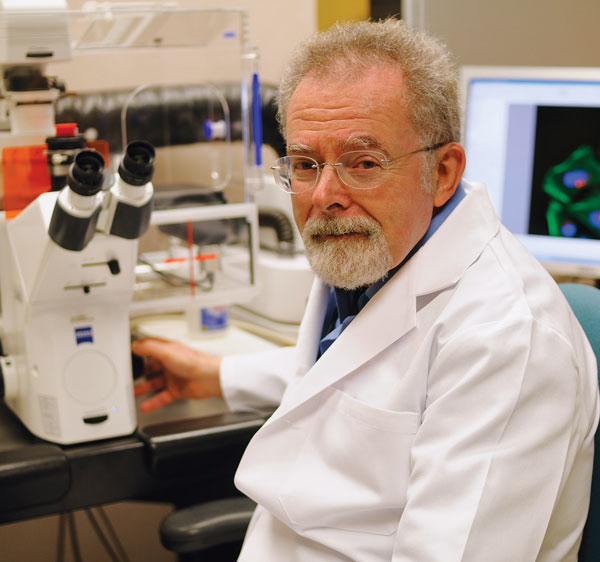
This year, Joel B. Baseman, Ph.D., was awarded a five-year $11.5 million grant from the National Institute of Allergy and Infectious Disease (NIAID) of the National Institutes of Health for his research of airway diseases. Dr. Baseman is professor and chair of Microbiology and Immunology at the UT Health Science Center San Antonio.
Dr. Baseman’s discovery of the Community-Acquired Respiratory Distress Syndrome Toxin (CARDS TX) is the most important finding in the field since the discovery decades ago of the toxins of diphtheria and pertussis. With this important breakthrough, he is advancing the development of new strategies to diagnose and reduce airway disease in infants, children and adults.
"We believe CARDS TX is a most important virulence factor of airway diseases, and these key studies, propelled by philanthropic support and federal funding, will lead to innovative treatments of serious acute and chronic pulmonary pathologies," Dr. Baseman said.
The prestigious award is a renewal of a highly competitive NIAID research grant awarded to Dr. Baseman in 2006. The UT Health Science Center is among only a handful of institutions to receive the award. The grant complements a generous $3.2 million, multi-year gift awarded in 2007 by the trustees of the Robert J. Kleberg, Jr., and Helen C. Kleberg Foundation to support Dr. Baseman’s research. Plans are to establish an interdisciplinary cooperative research center in airway diseases in the Health Science Center’s new South Texas Research Facility that will help explain and ultimately provide novel treatments for acute and chronic respiratory problems.
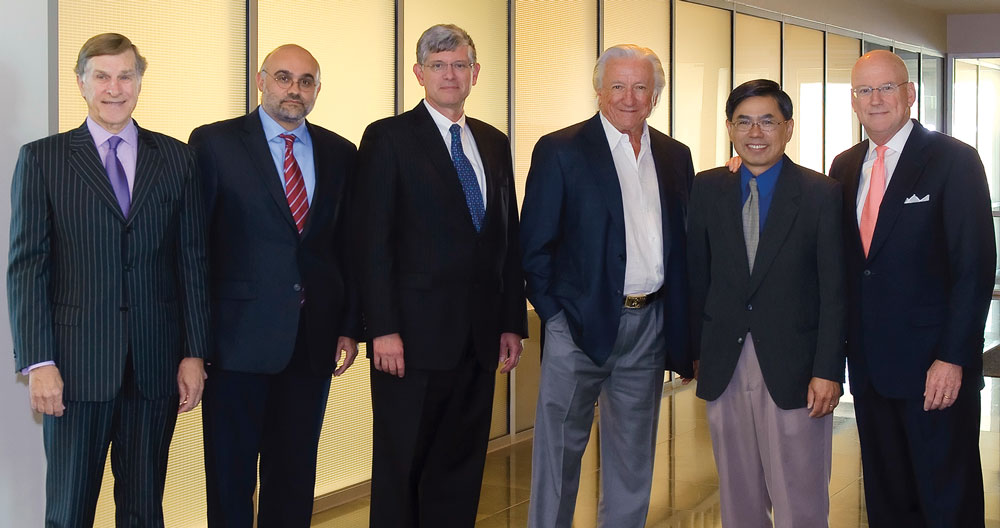
CTRC Foundation gives $10.2 million for cancer research and care
Cancer is the leading cause of death for Texans aged 85 years and younger, claiming the lives of an estimated 38,000 Texans in 2011, with more than 107,000 newly diagnosed cancer patients in the same year.* The CTRC Foundation is stemming the tide of this deadly disease with a transformational $10.2 million gift to the Cancer Therapy & Research Center (CTRC) at the
UT Health Science Center at San Antonio, to advance and expand cancer research and care at the CTRC.
Gary V. Woods, chair of the CTRC Foundation Board, said it is vital for San Antonio to sustain a first-rate cancer center, especially for the citizens of this region.
"We are all directly affected by cancer, whether it is as a patient or through someone we know - a relative, friend or acquaintance," Woods said.
"The education, screening, early detection and treatment the CTRC provides are all critical to the well-being and quality of life in San Antonio and South Texas. NCI designation leads to funding of research and related activities, as well as the recruitment of top scientists and clinicians, that translates to the best patient care and hope, through research, for a future without cancer."
Woods added that support from the CTRC Foundation and the community, together with the leadership of Ian M. Thompson Jr., M.D., CTRC director, is essential to the success of the CTRC.
"Dr. Thompson is the consummate leader. He has been successful in recruiting to San Antonio some of the nation’s top scientists. The CTRC Foundation is proud to support his efforts that enable the CTRC to continue saving lives - and to advance its mission at a faster pace."
Dr. Thompson said the gift comes at a critical time in the CTRC’s history.
"We are so grateful for this phenomenal gift that allows our researchers and clinicians to achieve their goal of improving and saving lives," Dr. Thompson said. "Institutions of academic medicine across the country are experiencing a very tight funding environment. Many programs are suffering. The CTRC Foundation gift makes it possible for our CTRC to invest in both science and the scientific research infrastructure that are hallmarks of an NCI-Designated Cancer Center. Gary Woods and the board members of the CTRC Foundation have an absolute passion, commitment and vision for a cancer center in San Antonio that is on par with the very best in the world. Their support makes our mission possible."
Established in 1995, the CTRC Foundation is a partner organization dedicated to funding the CTRC and its clinical, research and educational programs. Woods, who is president and CEO of McCombs Enterprises in San Antonio, has been a steadfast supporter of the cancer center since joining the Board in 1994. He assumed the role of CTRC Foundation Board chair in 2008, and he and his late wife, Glenda, served in numerous leadership roles throughout the years.
The CTRC is one of the elite academic cancer centers in the country to be named an NCI-Designated Cancer Center, and is one of only four in Texas. A leader in developing new drugs to treat cancer, the CTRC Institute for Drug Development (IDD) conducts one of the premier oncology Phase I clinical drug programs in the world, and participates in development of new cancer drugs approved by the U.S. Food & Drug Administration.
The CTRC serves more than 4.4 million people in the high-growth corridor of South and Central Texas, including San Antonio, Austin, Laredo and the Rio Grande Valley, and handles 63,000 patient visits each year.
Tim Hui-Ming Huang, Ph.D., began his new role on Oct. 1 as deputy director of the CTRC and chair of the Department of Molecular Medicine at the Institute of Biotechnology. He was recruited from Ohio State University where he served as professor of human cancer genetics in the Department of Molecular Virology, Immunology and Medical Genetics.
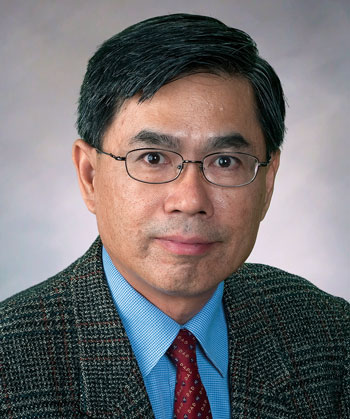
Dr. Huang will lead translational and basic science research programs at the CTRC. In addition, he and his lab team will focus on developing new technology toward early detection of cancer and to further developing "cocktail approaches" (using appropriate combinations of therapies) to treat cancer.
"I am excited at the tremendous opportunity to become a part of the CTRC at this time in history," Dr. Huang said. "With its already superb infrastructure, that includes the addition of the South Texas Research Facility, and its cadre of stellar scientists and programs, the CTRC is poised to build upon its basic, clinical and translational research that will directly benefit more patients than ever before. I look forward to helping facilitate scientific collaboration between bench researchers and clinicians. This will encourage the synergy of discovery and help move lab findings into clinical utility."
For more information about the CTRC, call 210-450-5512 or visit CTRC.net.
*Statistics are from the Texas Department of State Health Services.
The CTRC Foundation gift supports:
- Recruitment of Tim Hui-Ming Huang, Ph.D., from Ohio State University, as deputy director. Dr. Huang has studied cancer epigenetics, (the process of gene mutation in cells) for the last 17 years and has pioneered high-throughput technologies to investigate molecular interactions and gene behavior in the formation of tumors. He has identified tumor biomarkers (substances that can be found in abnormal amounts in some cancer patients) that will predict treatment outcomes for patients undergoing Phase I clinical studies.
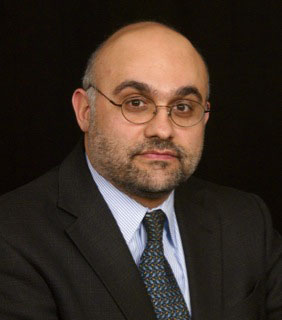
- Recruitment of Athanassios "Ethan" Argiris, M.D., FACP, from The University of Pittsburgh School of Medicine, as chief of hematology and oncology. Dr. Argiris is a nationally and internationally recognized medical oncologist and clinical researcher with expertise in the evaluation and treatment of patients with malignancies of the head, neck and lungs.
- Recruitment of Steven Dale Weitman, M.D., Ph.D., from The University of Texas Southwestern Medical School at Dallas, as director of the Institute for Drug Development. Dr. Weitman is a pediatric oncologist focused on the development of new therapies for both adult and pediatric patients.
- Administrative efforts to renew with the National Cancer Institute as an NCI-Designated Cancer Center.
- An increase in the number of patients who will be recruited for and benefit from clinical trials offered through the CTRC.
- An increase in the number of patients who benefit from treatment and services through CTRC clinics.
- Programs of the Patient & Family Services Department, which strive to assist patients and families through every aspect of their cancer journey. A wide range of support services and programs are offered through its Kolitz Wellness Center.