Seeing, Believing, Healing
The Center for Medical Humanities & Ethics is developing future physicians who better understand the needs of the impoverished and underserved and reach out globally to serve them.
Students emerge from the Center’s academic, outreach and service-learning-based programs better prepared, more confident in their abilities and more compassionate toward patients.
Thanks to the generous support of private donors and grants from foundations to the Long School of Medicine and the Center for Medical Humanities & Ethics, Health Science Center students are allowed to travel throughout South Texas and the world to help people in need of vital health care. Students participate in medical rotations, mobile health clinics and educational programs to help communities organize their health care resources.
Students report tremendous success and many indicate that more women in the regions they visit are taking on leadership roles on newly created health advisory committees in their communities.
Scholarships and grants from private donors, including the Paul Piper family, and from foundations and other sources, fund students’ airfare, travel and housing abroad. Various fundraisers initiated by students supplement funding.
Students witness their own lives transformed as they help change and improve the lives of the people they serve.
Summer Rotation in Africa
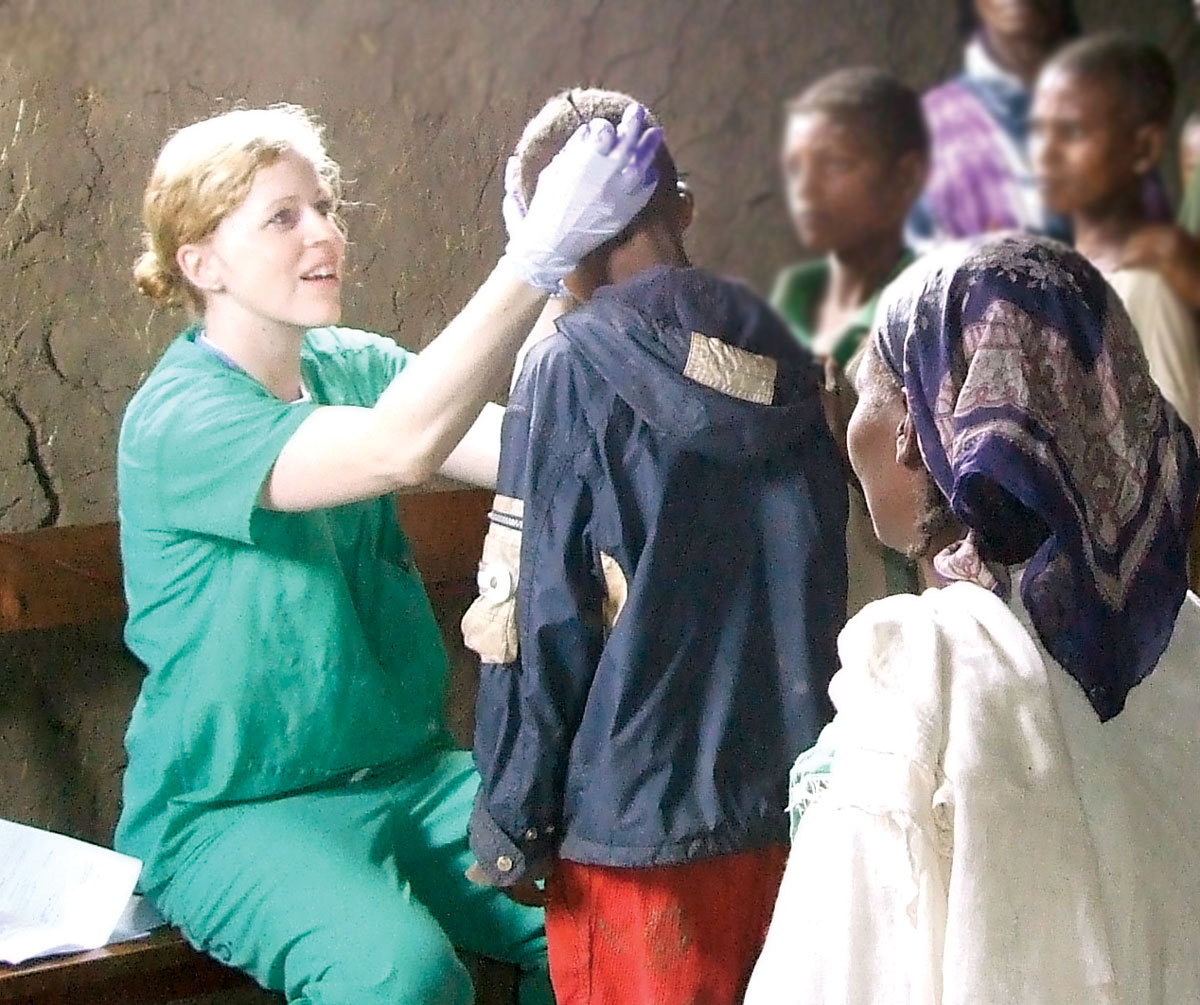
The Ethiopian woman shuffled slowly down the dirt road on her way to the market. Health Science Center second-year medical student Shannon Toews and fellow medical students followed nearby as they walked their routine one-mile path to Glenn C. Olsen Primary General Hospital in Yetebon, Ethiopia, where they were doing their volunteer work.
"We met many people on that road, but I’ll never forget her," Toews said. "The dark, fine features that mark every Ethiopian with a unique beauty were overshadowed by the relentless swelling in her neck - a goiter the size of a large orange." In underdeveloped parts of the world, goiter is caused by malnutrition and a lack of iodine in the diet.
"We knew exactly what we needed to do the moment we learned of her plight," Toews said. Learning that the woman could not afford treatment for her goiter, the students pooled resources and paid out of their own pockets for her to have the goiter surgically removed. Toews, whose blood type matched the woman’s, also donated a unit of blood in preparation for the woman’s surgery.
"This was the first time we learned how to draw blood," Toews said. "We practiced on one another. I learned new skills and I felt honored to be able to make such a personal investment in this woman’s health care. There was something undeniably personal about donating my own blood to her, and it was a privilege to be able to see her through the surgical process."
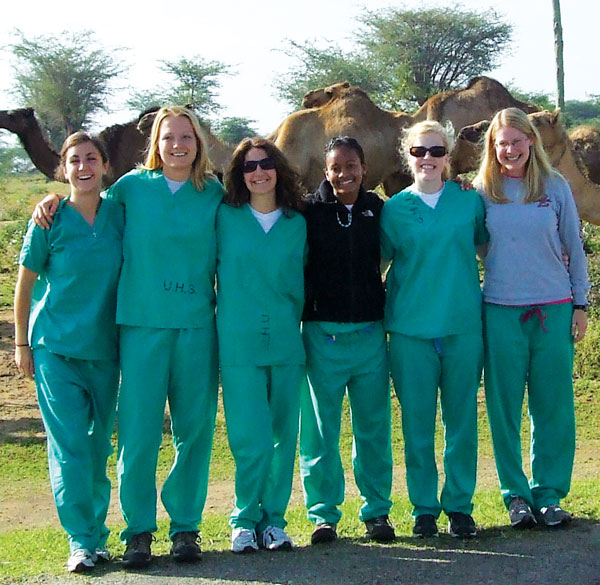
Toews was in Ethiopia during the summer of 2007 as part of the Center for Medical Humanities & Ethics’ international medicine elective program. This was the first year the Center awarded scholarships for students to travel and work in Ethiopia. Ruth Berggren, M.D., associate professor and director of the Center, said she plans to make this trip an annual option for medical students at the Health Science Center.
Ethiopia, located in Eastern Africa, is one of the continent’s most populated nations and among the poorest in the world. Diseases not commonly found in the United States are more widespread in Ethiopia because of a number of factors, including lack of health care resources, poverty, poor sanitation and malnutrition. According to the World Health Organization, adequate medical care is limited in Ethiopia because fewer than three physicians are available per 100,000 citizens.
"I believe that the need is the call," Toews said. "That is why I chose medicine as my career. I’ve always been interested in helping others, especially those who cannot help themselves. This is my passion. It’s about being human. I’m grateful the Health Science Center is allowing me the opportunity to fulfill my calling, share my experiences and help those who need it the most. "
- Seventeen students have traveled to Ethiopia since the trip was initiated in 2007. Their airfare, travel and housing have been funded by generous private donors.
International Medicine Elective in India
Paul Gravel and Rachel Hassan, both fourth-year Health Science Center medical students, traveled to Vellore, India, in January 2008 with four other students, where they participated in medical rotations at Christian Medical College (CMC) and in community health activities in some of the most rural areas of Vellore. One of the experiences they said impacted them the most was the time they spent at the CMC New Life Centre that focuses on the rehabilitation of patients with leprosy.
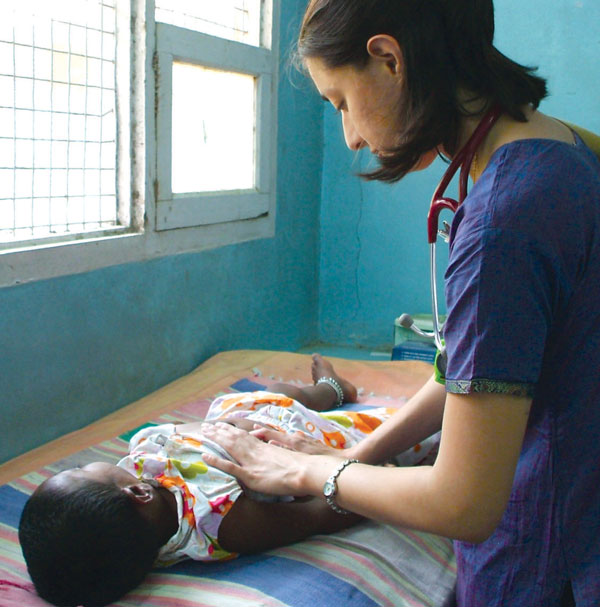
"Most of the leprosy patients we saw did not have any sensation in their extremities," Gravel said. "We saw many amputees and patients with severe deformities. It was somewhat similar to the neuropathy we see in diabetics in the U.S., but to a much larger degree." According to the World Health Organization, if left untreated, leprosy can cause nerve damage, leading to muscle weakness and atrophy, and permanent disabilities in the limbs and eyes. In nine countries in Africa, Asia and Latin America, leprosy is still considered a public health problem. These countries account for about 75 percent of the global leprosy burden. Gravel said he was impressed with the leprosy research conducted at CMC. "Clinical trials, drug-resistance studies and vaccine-tolerance analysis are just some of the outstanding leprosy research programs conducted at CMC," he said.
"We are fortunate to be exposed to different cultures and different people with different circumstances," Hassan added. "The faces I saw in India will remain with me and encourage me forever. I know there is a lot we can do to make life better for people no matter where they live or what their situations may be, and that is my goal."
- Fifty students to date have received the Paul Brand International Medicine Scholarship to volunteer in India. The scholarship, funded by generous private donors, is named for the late Paul Brand, M.D., world-renowned orthopaedic surgeon who conducted pioneering reconstructive surgery on leprosy patients in India.

Victory for a Virus
In June 2007 Kenny Scott, 52, visited Ron Williams, M.D., Ph.D., a Health Science Center orthopaedic oncologist, at the Sarcoma Clinic at the Cancer Therapy & Research Center (CTRC). But what was supposed to be a regular checkup turned out to be far from normal. Scott learned that day what all cancer patients fear: his cancer had returned. The same type of cancer (synovial sarcoma) that had been removed from his arm 4 1/2 years earlier had metastasized to his lungs. He also learned there was no cure.
"Chemotherapy would prolong my days, but the type of chemo I needed would have such terrible side effects that I decided it was not a good option for me," Scott said. "I was told it might give me a few more weeks or months, but my quality of life would deteriorate immediately with no real chance of improvement. At that point my wife and I were praying for a miracle, for guidance to know the direction that God wanted us to go and for more faith."
Two weeks later, Scott received a call from Dr. Williams, who told him about another option to fight his terminal cancer. Researchers at the CTRC Institute for Drug Development were studying a novel anti-cancer therapy called REOLYSIN®. Dr. Williams was confident this experimental treatment might benefit Scott.
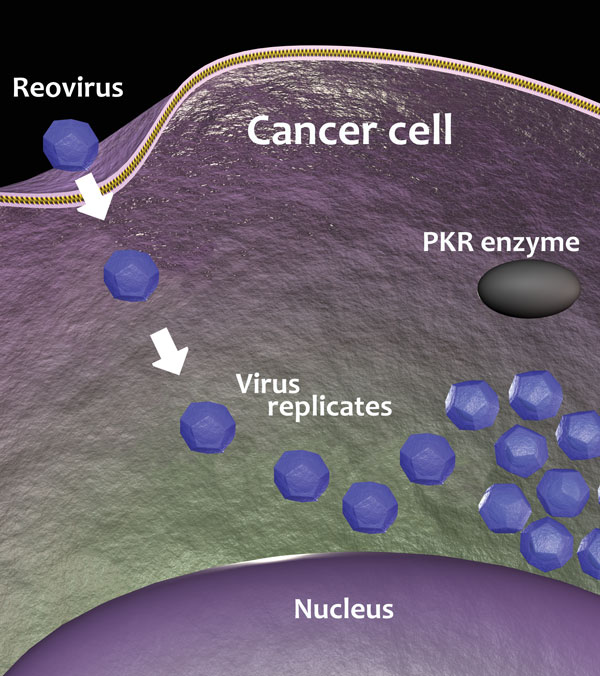
REOLYSIN®, which is a living virus, not a chemotherapy drug, is toxic to cancer cells but not harmful to normal cells. In earlier studies, the therapy had shown some possible hope in slowing tumor growth and even knocking cancers into remission.
According to Monica Mita, M.D., principal investigator of the REOLYSIN® study at the CTRC, the drug’s name was derived from the human reovirus, a mild virus that occurs naturally in the environment.
"This novel therapy has shown success because the reovirus replicates in and destroys the cancer cells within the patient’s body," Dr. Mita said. "Cancer cells have several molecular and genetic abnormalities. In normal, healthy cells, the reovirus is unable to reproduce because of an enzyme named PKR. The enzyme is suppressed in cancer cells, and therefore the reovirus can replicate in the cancer cell and kill it."
Oncolytics Biotech Inc., the biotechnology company sponsoring the study, announced in February that the therapy has been successful and has been approved to proceed to full enrollment for patients with various types of sarcomas that have spread to the lungs.
"REOLYSIN® typifies the true targeted therapy approach that seeks to use fundamental differences between cancer and normal cells as the basis for effective anti-cancer approaches, and we are thus very excited about this study," said Francis Giles, M.D., deputy director of the CTRC at the UT Health Science Center at San Antonio.
According to the study protocol, to proceed to full enrollment of 52 patients, at least one patient in the first 38 patients treated must experience a complete or partial response or stable disease for longer than six months.
Scott has responded well to the novel therapy. A computed tomography scan showed that his cancer stabilized for more than six months. These results were confirmed by a more advanced imaging technique called positron emission tomography or PET.

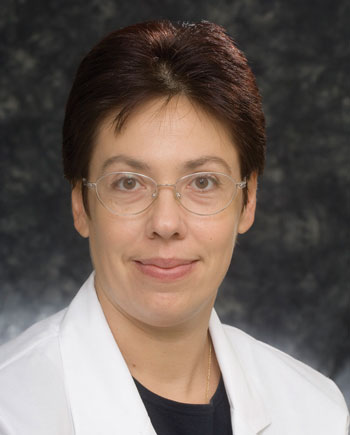
(L) Francis Giles, M.D., is professor and the A.B. Alexander Chair in Medical Oncology, deputy director and the AT&T Chair at the CTRC at the UT Health Science Center, director of the Institute for Drug Development, and program leader for the Experimental Therapeutics Program.
(R) Monica Mita, M.D., is assistant professor of Medicine/Hematology and Medical Oncology at the Health Science Center and a medical oncologist at the CTRC.
"Being diagnosed with cancer is a life-changing experience, but being in this study has been another life-changing experience because the therapy is actually doing what they want it to do," said Scott, who travels to the CTRC from Big Spring, Texas, to receive treatment. "My wife and I are better people than we were five years ago when I was diagnosed with cancer."
A total of 15 patients, all of whom have been treated at the CTRC, have received the new treatment to date. Eligible patients are those who have a bone or soft tissue sarcoma that has spread to the lungs, and who are deemed by their physician to be unresponsive to or untreatable by standard therapies. These include patients with osteosarcoma, Ewing sarcoma family tumors, malignant fibrous histiocytoma, synovial sarcoma, fibrosarcoma and leiomyosarcoma.
"We are very pleased to proceed to the second stage of this study," Dr. Mita said. "This unique targeted compound has met our expectations so far in terms of both tolerability and efficacy endpoints. An added benefit is that the side effects of the treatment are minimal, similar to those of a mild flu or cold, compared to the often more serious side effects caused by chemotherapy treatment. We feel it is very important to continue to offer this agent to our patients."
Scott said he is grateful to have benefited from the research at the CTRC and hopes others will, too.
"Sarcoma seems to be a mysterious type of cancer and one that is difficult to treat," said Scott, who was diagnosed in 2003. "Since this new drug is an experimental therapy, not all patient stories are positive ones. It is my hope that many people with sarcoma will benefit from this study. Being a part of a study that offers hope to other patients is exciting."

Dental destruction
 Teeth prove to be susceptible to silent enamel-eating syndrome
by Natalie GutierrezCavities or not, your teeth could be in more trouble than you know because of a silent and destructive phenomenon called dental erosion. A faculty member at The UT Health Science Center at San Antonio has found that the incidence of dental erosion, which is the steady loss of the teeth’s protective enamel, is on the rise in the United States.
Bennett T. Amaechi, M.S., Ph.D., associate professor of community dentistry at the UT Health Science Center, and colleagues discovered a 30 percent prevalence rate of dental erosion among 10- to 14-year-olds in the United States. Dr. Amaechi led the San Antonio portion of the nation’s first population-based, multicenter study of dental erosion. The study, involving 900 middle school students, was conducted in 2004 and 2005 at Indiana University, the University of California at San Francisco and the UT Health Science Center San Antonio.
Dental erosion has not been widely analyzed in the United States. "This study is important because it confirms our suspicions of the high prevalence of dental erosion in this country and, more importantly, brings awareness to dental practitioners and patients of its prevalence, causes, prevention and treatment," Dr. Amaechi said.
Dental erosion is caused by acids found in products that are being more widely consumed than ever in the U.S. These include soft drinks, some fruit juices, sports drinks, herbal teas, beer salts, and the Lucas brand of candy imported from Mexico that is especially popular among children in San Antonio and South Texas.
"When consumed in excess, these products can easily strip the enamel from the teeth, leaving the teeth more brittle and sensitive to pain," Dr. Amaechi said. "The acids in these products can be so corrosive that not even cavity-causing bacteria can survive when exposed to them."
Dr. Amaechi said some medications including aspirin, when taken regularly, have erosive potential. Some underlying medical conditions such as acid reflux disease or disorders associated with chronic vomiting, including bulimia, also can cause dental erosion because of the gastric acids that are regurgitated into the mouth.
"It is important for dental practitioners to identify dental erosion and its causes before it is too late," Dr. Amaechi said. "Because dental erosion creates a smooth and shiny appearance of the enamel and causes no pain or sensitivity in its early stages, most patients are not aware that they are suffering from the condition until the problem becomes severe. Therefore, the responsibility of early detection and treatment falls on the professionals."
Dr. Amaechi’s findings were published in the international publication the Dental Tribune and have been translated in 35 languages. His article outlines the prevalence and potential causes of dental erosion and provides dental practitioners with guidelines for detection, diagnosis, treatment and prevention.

Appointments and Awards
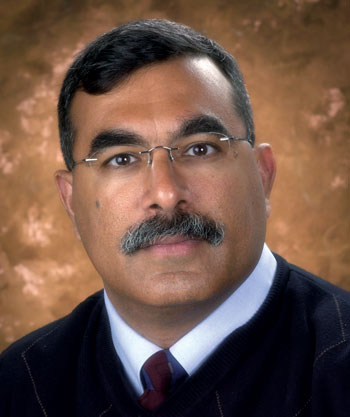
Sunil K. Ahuja, M.D., professor of medicine, immunology and biochemistry, and director of the Veterans Administration HIV/AIDS Center, was featured as one of the "35 People Who Will Shape Our Future" in the February issue of Texas Monthly.
Lyda Arévalo, R.N., Ph.D., assistant clinical professor of acute nursing care, was awarded a Claire M. Fagin Fellowship. The two-year, $120,000 fellowship from the Building Academic Geriatric Nursing Capacity Program supports advanced research training and mentorship of nurses with doctoral degrees who are committed to academic careers in the field of nursing.
David L. Cochran, D.D.S., Ph.D., chair of the Department of Periodontics, was named to an ex-officio seat on the Board of Directors of the American Academy of Periodontology Foundation. Dr. Cochran is also president-elect of the American Academy of Periodontology.
Francis J. Giles, M.D., deputy director and AT&T Chair at the CTRC at the UT Health Science Center and director of the Institute for Drug Development, was honored as the recipient of the Medtronic Award at the National University of Ireland Galway Alumni Awards Gala.
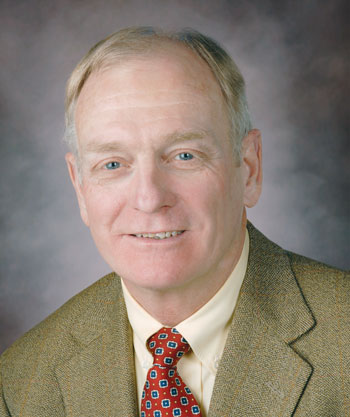
David Hillis, M.D., is chair of the Department of Medicine and the Dan F. Parman Distinguished Chair in Medicine. Dr. Hillis, a nationally recognized cardiologist, arrived from The University of Texas Southwestern Medical Center at Dallas.
Carlos Roberto Jaén, M.D., Ph.D., chair of the Department of Family and Community Medicine and the Dr. John M. Smith Jr. Endowed Professor, is a new member-at-large of the Board of Directors of the Association of Departments of Family Medicine.
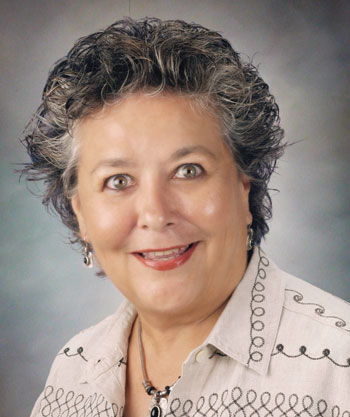
Norma Martinez-Rogers, R.N., Ph.D., associate clinical professor of family nursing care, was recently appointed to the American Hospital Association’s Commission to End Health Care Disparities. Dr. Martinez-Rogers was one of only three nurses selected after a competitive national search.
Thomas F. Patterson, M.D., professor of medicine and director of the San Antonio Center for Medical Mycology, has been elected as a member of the Subspecialty Board on Infectious Disease of the American Board of Internal Medicine.
Basil A. Pruitt Jr., M.D., professor of surgery, was honored in Riyadh, Saudi Arabia, as the co-winner of the 2008 King Faisal International Prize for Medicine. Dr. Pruitt has been an innovator in trauma management, including burns, for nearly 50 years.
Rajam Ramamurthy, M.D., was appointed to the Board of Directors of the Educational Commission for Foreign Medical Graduates Board. Dr. Ramamurthy is the medical director of the Premature Infant Development (PREMIEre) Program and holds the William and Rita Head, in honor of their children, Brice and Gretchen, Distinguished Chair in Developmental and Environmental Neonatology.
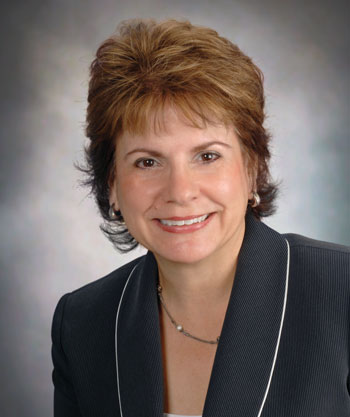
Amelie G. Ramirez, Dr.P.H., and Cynthia D. Mulrow, M.D., M.Sc., were elected to the Institute of Medicine of the National Academies. Membership is one of the highest honors in American medicine. Dr. Ramirez is professor of epidemiology and biostatistics and founding director of the Institute for Health Promotion Research, the Dielmann Chair in Health Disparities and Community Outreach, and the Max and Minnie Voelcker Endowed Chair. Dr. Mulrow is a clinical professor of medicine.
Qitao Ran, Ph.D., associate professor of cellular and structural biology, received the 2007 Nathan Shock New Investigator Award from the Gerontological Society of America.
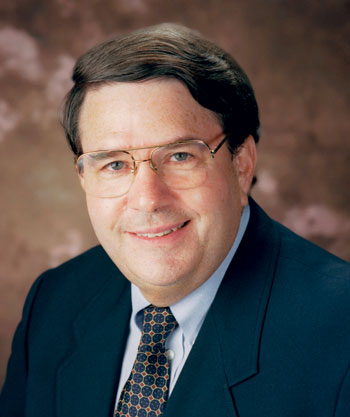
Arlan G. Richardson, Ph.D., is the 2008 recipient of the Irving S. Wright Award of Distinction. The award is the highest honor presented by the American Federation for Aging. Dr. Richardson is a professor in the Department of Cellular and Structural Biology, occupies the Methodist Hospital Foundation Chair in Aging Studies and Research, and directs the Sam and Ann Barshop Institute for Longevity and Aging Studies.
Ian M. Thompson Jr., M.D., professor and chair of urology and director of the CTRC Genitourinary Clinic, was selected to serve as a co-chair for the National Cancer Institute Genitourinary Steering Committee.
W. Kenneth Washburn, M.D., associate professor of surgery, received a two-year appointment as vice chair of the Liver and Intestinal Organ Transplantation Committee of the United Network of Organ Sharing.

Baptist Health Foundation gives $172,500 for scholarships at UT Health Science Center
Miriam Davis was only 15 when her mother died, but the memories of her mom’s dedicated service as a nurse at San Antonio’s downtown Baptist Hospital remain with her to this day.
"The people she helped, the friends she made, really impacted me," said Davis, who is on the nursing career path herself as a graduate student in the School of Nursing at the UT Health Science Center San Antonio.
Davis is one of the students in health care professional education programs at the Health Science Center who received a nursing scholarship in 2007. This coming academic year, 46 students will receive $172,500 in scholarships made available by the Baptist Health Foundation of San Antonio.
President Cigarroa honored the 2007 scholarship students, the Baptist Health Foundation and the Scholarship Committee at a campus luncheon this spring.
"My goal is that no bright, ambitious student who wants to become a health care provider should ever have his or her dreams put on hold for lack of finances," Dr. Cigarroa said. "It is wonderful that the Baptist Health Foundation is giving back to the community by helping to educate the students who will become the future of health for South Texas and our nation."
The foundation substantially increased its scholarships for Health Science Center students this year. In 2007, the foundation gave 29 scholarships totaling $85,000.
"Dr. Cigarroa, it is our privilege to be your partner in helping the students," W. Frank Elston, president and CEO of the Baptist Health Foundation, said. "The foundation was impressed with the students selected to receive our scholarships in 2007 and we are pleased to offer more scholarships this year."
Addressing the shortage of registered nurses in South Texas and the increasing lack of professional faculty to train them, the foundation’s 2008 grant includes $50,000 in scholarships for students pursuing the Master of Science in Nursing degree and $35,000 for those pursuing a Ph.D. in nursing.
The foundation also gave scholarships for students training to be physicians, dentists, clinical pharmacists, physician assistants, physical therapists, occupational therapists, dental hygienists, respiratory therapists and clinical laboratory scientists.

Family establishes scholarship to honor father’s legacy
In 1946, Alexander David (A.D.) Major, M.D., established the Major Clinic Hospital in the north central Texas community of Nocona in a building with 15 patient rooms. His father built it for him and his two brothers, also physicians, so they could begin their practice.
A 1939 graduate of Baylor Medical School and a veteran of the Mobile Army Surgical Hospital (MASH) unit during World War II, Dr. Major was a brilliant, determined and resourceful man. He displayed great ingenuity as he expanded the clinic with the goal of reaching out to his community to help those in need of vital health care and health care education. It was the beginning of a dream that would live for generations to come.
Dr. Major married Mabel Kathryn Chandler in 1941 and they had seven children and, later, 18 grandchildren. He passed away in 1985. To honor Dr. Major’s legacy of generosity and dedication to education and health care, his extensive family established the Dr. and Mrs. A.D. Major Presidential Endowed Scholarship at the UT Health Science Center San Antonio.
In 2007, his daughter, Kay Telle, a registered nurse, spearheaded the campaign to create an endowed scholarship in her father’s honor. The family pooled resources in the amount of $37,665.50 to establish the endowed scholarship. This year, that fund has grown to more than $50,000, elevating it to the rank of a Presidential Endowed Scholarship.
"My father valued education and loved the practice of medicine, so this is a very fitting tribute to his memory," Telle said.
President Cigarroa thanked Telle, Mrs. Major and all of the late Dr. Major’s family:
"You can take pride in knowing firsthand the great value of the services these young physicians will bring, after they graduate and begin their practice of medicine, to their communities, just as Dr. Major did in his community for so many years. Yours is a gift that will honor the legacy of Dr. Major and transform the future of health care."

HSC Champions
We are grateful to all of our donors for their continued support and generosity. The following list recognizes just a few of the gifts that enable the university to provide the best in health care careers education, biomedical research, patient care and community service to San Antonio and the South Texas/Border Region. Thank you for helping us make lives better!
- A $100,000 grant from the Canseco Foundation has funded The Canseco Foundation President’s Endowed Scholarship in Oral Health to provide scholarships to deserving students from Laredo who are pursuing careers in oral health care through the Dental School and School of Allied Health Sciences.
- A five-year, $750,000 Clinical Scientist Award in Translational Research grant from the Burroughs Wellcome Fund will fund the Health Science Center’s first large-scale study of fatty liver disease in individuals with type 2 diabetes. Kenneth Cusi, M.D., associate professor of medicine and staff physician at the South Texas Veterans Health Care System, Audie Murphy Division, is the study’s lead investigator.
- A gift of $100,000 from the Bosque Foundation, as well as an additional$50,000 donation from the William and Elizabeth Moncrief Foundation, will fund the Dr. Mario E. Ramirez Distinguished Professorship in Family and Community Medicine. The professorship honors the legacy of Dr. Ramirez, who, as a family physician in Starr County for 43 years, has committed his life to caring for the citizens of the Lower Rio Grande Valley. Dr. Ramirez retired from the Health Science Center in 2007 as vice president for South Texas programs.
- A gift of $223,500 from the Kronkosky Charitable Foundation is supporting the research of Eugenio Cersosimo, M.D., associate professor, and Christopher Jenkinson, Ph.D., associate professor, under the direction of Ralph A. DeFronzo, M.D., professor/chief, Division of Diabetes. They are studying the etiology of insulin resistance and its link to cardiovascular disease with particular focus on the Mexican-American population, in an effort to find novel therapies for treatment.
- Members of the Health Science Center’s President’s Council have givenmore than $500,000 to programs in all five schools to support research, education, scholarships and clinical care initiatives, including $250,000 to the Janey Briscoe Center for Excellence in Cardiovascular Research. Headed by Steven R. Bailey, M.D., the center’s purpose is to develop new methods to treat America’s leading killers – heart disease and stroke. Dr. Bailey is professor of medicine and radiology and the Janey Briscoe Distinguished University Chair in Cardiovascular Research.
- A $250,000 donation from Shirley Markey will support the Michael Markey Memorial Endowment for Medical Ethics. The endowment supports the mission and programs of the Center for Medical Humanities & Ethics, which embraces a clinically focused curriculum and encourages community service learning in clinics around San Antonio, South Texas and in missions abroad, where medical students experience medicine as it is practiced in resource-poor environments.
- Recent grants totaling $60,000 from the George W. Brackenridge Foundation will fund scholarships for outstanding nursing students and will support the Facilitated Admissions for South Texas Scholars (FASTS) program for students at St. Mary’s University to attend the Summer Premedical Academy at the Health Science Center’s School of Medicine.
- The Susan G. Komen for the Cure foundation has awarded $282,377 to Ande Bao, Ph.D., assistant professor in the Departments of Radiology and Otolaryngology/Head and Neck Surgery, for his breast cancer research. Dr. Bao is studying a new approach to treating cancer with short-range radionuclides that could prevent the reoccurrence of breast cancer following initial treatment while reducing damage to normal breast tissue.
- Susan G. Komen for the Cure also awarded the 2007 Komen Professor of Survivorship award in the amount of $25,000 to Amelie G. Ramirez, Dr.P.H. Dr. Ramirez is a professor of epidemiology and biostatistics, founding director of the Institute for Health Promotion Research, the Dielmann Chair in Health Disparities and Community Outreach and the Max and Minnie Tomerlin Voelcker Endowed Chair.
- Grants totaling more than $600,000 from Methodist Healthcare Ministriesare supporting programs in the Dental School’s Department of Prosthodontics, the Laredo Campus Extension, the Long School of Medicine’s Department of Ophthalmology, the UT Medicine Family Residency Program in McAllen, and the School of Nursing, as well as outreach programs through the Center for Medical Humanities & Ethics that improve access to health care for uninsured patients in the Lower Rio Grande Valley.
- The Pearle Vision Foundation has awarded $50,795 to Carlos Rosende, M.D., associate professor and chair of the Department of Ophthalmology, for his research of diabetes-related ocular diseases. The grant will fund the purchase of a STRATUS OCT™, which is a diagnostic imaging device that provides direct cross-sectional images of the retina for clinical evaluation in the detection of retinal diseases.
- A $50,000 gift from Dr. and Mrs. Joe H. Ward Jr. will support the President’s Excellence Fund for vital research, education and clinical care programs at the Health Science Center.
- A $50,400 grant from the Morrison Trust will support the research of Pothana Saikumar, Ph.D., associate professor in the Department of Pathology. Dr. Saikumar is studying the resistance patterns of cancer cells, particularly colon cancer, to conventional therapies with the goal of developing new and more effective treatments for drug-resistant tumors.
- A gift of $100,000 from the Judith and Jean Pape Adams Charitable Foundation is advancing the study of amyotrophic lateral sclerosis (ALS) research. John Hart, Ph.D., the Ewing Halsell President’s Council Distinguished Chair in the Department of Biochemistry, is principal investigator of the study "The Nascent Conformation of Copper-Zinc Superoxide Dismutase in Familial ALS." His research is aimed at understanding the molecular basis for the disease - information that is critical/prerequisite for the development of effective therapeutic interventions.
- New gifts totaling $128,000 from Dr. and Mrs. J. Bradley Aust will raise the J.B. Aust M.D., Ph.D., Distinguished Professorship in Surgery to the level of endowed chair.

Life-changing Legacy
 A $25 million transformational gift establishes the Joe R. and Teresa L. Long Scholarship, Research and Teaching Fund that will impact:
STUDENTS
- $12.5 million for scholarships for future health care professionals and scientists
RESEARCH
- $6.25 million to support medical research that alleviates suffering and focuses on diseases impacting Texas and the nation
FACULTY
- $6.25 million to enrich student education by recruiting and retaining gifted faculty

Employees honored at Presidential Awards
Faculty and staff members who exemplify exceptional leadership in their fields were recognized at the 2008 Presidential Awards. This year’s highest honor, the Presidential Distinguished Scholar Award, was presented to Ralph A. DeFronzo, M.D., professor in the Department of Medicine and chief of the Division of Diabetes. The other award winners are:
Presidential Junior Research Scholar Award
• Robert Brenner, Ph.D.
Clinical Excellence Award
• Alison J. Beck, Ph.D., O.T.R.
• Wayne H. Schwesinger, M.D.
• Ian M. Thompson Jr., M.D.
Employee Excellence in Service Award
• Linda Clark
• Kris Doyle
• Judith Livingston, M.Ed.
• Sherece McGoon
• Rene Torres
Teaching Excellence Award
• Sandra G. Adams, M.D.
• Magda A. de la Torre, R.D.H., M.P.H.
• Glen A. Medellin, M.D.
• Susan L. Naylor, Ph.D.
• Jean A. Petershack, M.D.
• Omid B. Rahimi, Ph.D.
Presidential Volunteer Service Award
• Michelle Batilla
• Carolyn Fralix Gold, M.S.N., R.N.
• Kim Head

Second building dedicated at Harlingen RAHC
The Health Science Center recently dedicated its second building at the Regional Academic Health Center in Harlingen. The new Academic and Clinical Research Building is a state-of-the art, $25.5 million clinical research facility where diabetes and children’s health research are the initial areas of focus. The 80,000-square-foot building also includes 3,400 square feet of space leased to the South Texas Veterans Health Care System for the Harlingen Veterans Health Center.