
New entry-point
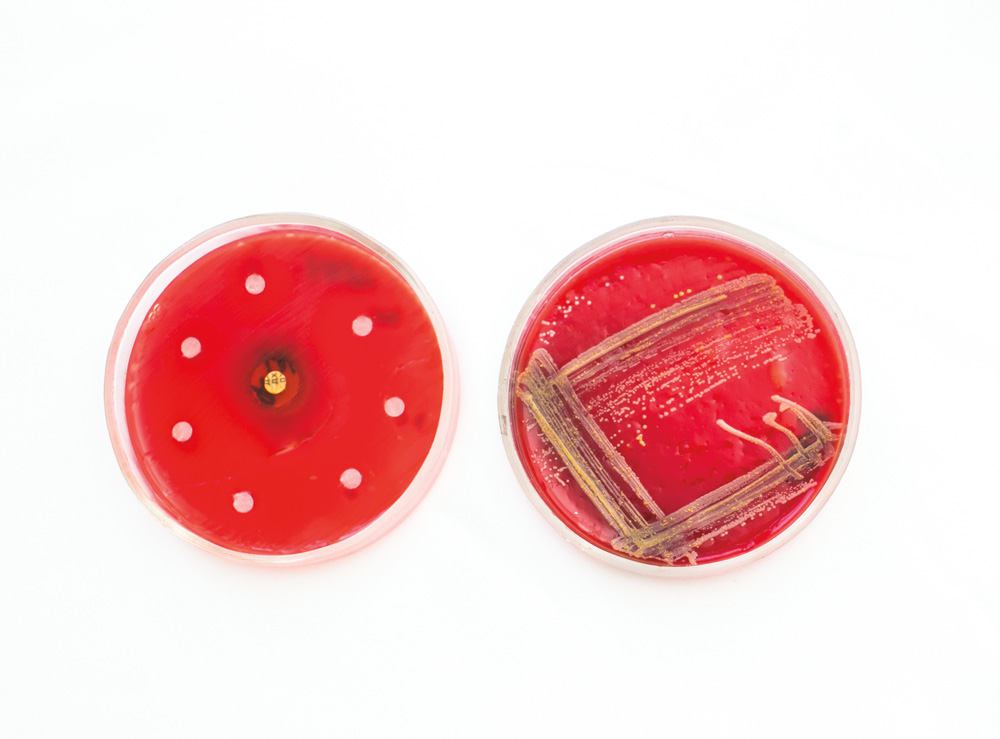
The School of Health Professions is offering one of the country’s few entry-level master’s degree programs in medical laboratory science. It’s an opportunity for those looking to enter San Antonio’s $30.6 billion biomedical and health care industry, officials said.
Medical laboratory scientists are a critical part of the health care team who analyze medical samples in the clinical laboratory, and the job outlook is excellent, said Cheryl Burns, M.S., associate professor and director of the master’s degree program in laboratory science.
“We make a significant difference in the quality of patient care. Physicians rely on laboratory test results in diagnosing illnesses and monitoring how patients are progressing in their treatment,” she said.
Nearly 100 percent of graduates of the clinical laboratory sciences program are offered jobs after graduation.
While the 24-month bachelor’s degree in clinical laboratory sciences will continue to be offered, the new 27-month master’s program is designed to provide deeper knowledge to students who already have a bachelor’s degree in another field. It is expected to prepare students for higher-level positions and better potential for advancement, Burns said.

In her shoes
Essay by Diane Solomon, M.D.
It’s likely that every person reading this has been affected by Alzheimer’s disease, either through family or friends. I’m no exception—my grandmother had Alzheimer’s disease, and this is an excerpt from a poem I wrote about her shortly before she died almost 20 years ago:
Battered and worn,
Grandma’s shoes sit empty
on the bedside chair.
She is sleeping peacefully, breathing deeply.
Yet, she grips the bedside rail,
Holding onto life
Much as she used to hold onto the dashboard
When Grandpa drove too fast.
Her 92-year-old bones are barely covered with parchment-thin skin.
Her eyes slowly open
and there is no recognition.
She does not know me,
but she knows my love
And responds lovingly,
patting my hand
Just as she did
when I was a child.
“I love you, too, honey,” Grandma says.
I sometimes share this with the medical students I teach to emphasize the caring and compassion that are needed for people affected by dementia, whether they can remember who you are from one visit to the next or not. I’ve always had a heart for the elderly—even before I got my own AARP card!
As a geriatric neurologist, part of my job is evaluating people with memory disorders to determine the cause. About 80 percent of the time, the cause of dementia is Alzheimer’s disease. Receiving such a diagnosis is devastating, and before giving that news, I pray that God might somehow use me to be a blessing to the patient and their family. Yet, in the paradoxical way that God sometimes works, I am the one who is most blessed and inspired by the examples of love and caring I’ve witnessed.
Let me tell you some of their stories.
I think of the husband who gently and lovingly answers his wife’s question. It’s the same question that he answered five minutes ago … and five minutes before that … and five minutes before that. It really does require superhuman patience.
I think of the wonderful woman who took her husband on a long, special trip to an elite event because she could not bear for him to be disappointed, even though several physicians (including me) advised against it, thinking it would be too difficult. With careful planning and determination, she pulled it off beautifully.
A woman in clinic yesterday told me she has participated in the 5K for the Alzheimer’s Association for years. She admitted that in the back of her mind, she was thinking that she might get the disease someday and should support the organization. Tears welled up in her eyes as she said she never imagined it would be her husband who now has the disease.
And then there is the man who spends every day with his wife, reading to her, encouraging her and walking with her, although she doesn’t know who he is. But he tells me, “I know who she is.”
I also think of my patients who continue to find purpose despite coping with significant limitations. Cognitively impaired people compensate for their deficits better if they have a regular, calm routine. It takes courage to allow a degree of independence within that supervised structure, but a conscious effort to do so conveys respect and often improves confidence. Whether it is helping with the laundry, sweeping the porch or setting the table, each of these tasks gives the person a way to contribute and to be a more meaningful part of the family or community.
The most inspiring example I know regarding a patient with Alzheimer’s disease maintaining a strong sense of purpose was demonstrated by San Antonio philanthropist Glenn Biggs. Even as his disease advanced, he remained committed to raising funds to help patients with Alzheimer’s and to support related research. He was a remarkable man.
It is such an honor to be a small part of these lives, but it’s a very difficult journey that these patients and their families are on. They need to know that everything that can be done medically will be done and to have the assurance that we will continue to walk alongside them.
Caregiver support is critical. No one should have to face the care challenges without guidance. For example, it’s hard to know when driving is no longer safe and even harder sometimes to convince the person to stop when it’s not. What do you do when someone hits five cars in a parking lot, but insists he is safe to drive?
Dementia is, of course, a major disruption for relationships, but it can also bring people closer together. Constant adjustments for a new balance in the relationship are required. What worked for the first 50 years of marriage often no longer applies. It is helpful to acknowledge these difficult transitions to the caregiver and to encourage participation in support groups.
A multidisciplinary team is needed to address these and the many other daily challenges that arise. When the Biggs Institute for Alzheimer and Neurodegenerative Diseases opens, a team of health care professionals from many disciplines will partner with community resources to address the medical and social needs of these patients. In addition, clinical trials will be offered and ongoing basic research increased.
My hope is that I’ve given you a sense of the heroes I serve—the courage and perseverance of my patients and their caregivers—and conveyed the promise of the Biggs Institute to provide comprehensive, compassionate medical care and research. We can do no less, because this disease affects the people we love.
Diane Solomon, M.D., is a professor of neurology in the Long School of Medicine. She practices at UT Medicine’s Memory Disorders Clinic at the Medical Arts & Research Center. She is also the director of medical student education for the Department of Neurology.

White House notes hepatitis C efforts
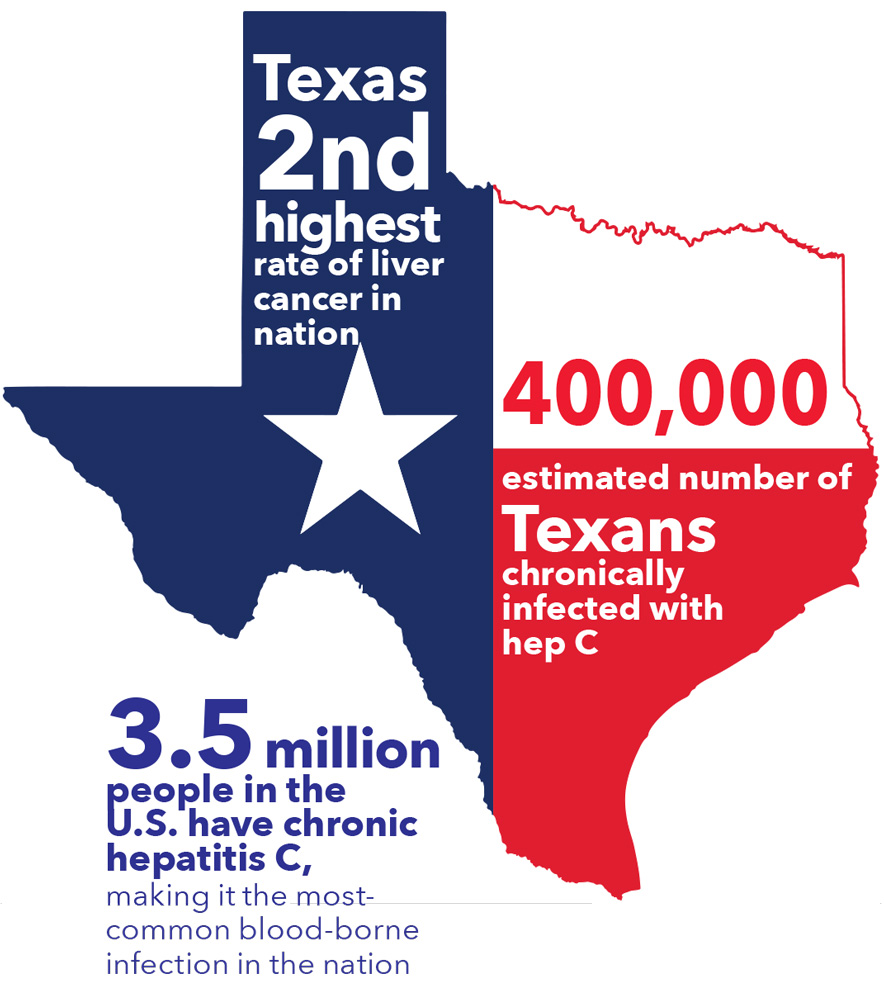 The Center for Research to Advance Community Health (ReACH), a part of UT Health San Antonio, was recognized by the White House at its 2016 National Hepatitis Testing Day observance in Washington, D.C. The White House acknowledged the ReACH Center’s initiatives to screen, evaluate and cure chronic hepatitis C virus infection in diverse health care settings serving low-income populations across South Texas.
The Viral Hepatitis Testing Recognition Award, given by the Department of Health and Human Services, recognizes four ReACH projects that have been conducted since 2012 with funding from multiple federal and state agencies. These projects follow the new national guidelines to test everyone in the U.S. who was born from 1945 through 1965—the baby boomers—for hepatitis C.
“Without treatment, the disease may cause liver scarring and failure and, in some cases, liver cancer,” said Barbara J. Turner, M.D., MSED, MACP, director of the ReACH Center. “In fact, hepatitis C infection is the most common reason for liver transplantation for end-stage liver disease in the U.S., and it is also the main reason that people get liver cancer. Deaths from liver cancer are rapidly increasing in the U.S.”
Dollars for cancer cures
UT Health San Antonio received millions of dollars for cancer research in 2016 from the Cancer Prevention & Research Institute of Texas (CPRIT).
In November, the institute announced $5.8 million for research and training programs at the Cancer Therapy & Research Center, one of the state’s four National Cancer Institute-designated cancer centers.
The largest grant, $3.9 million, will fund five additional years of cancer research training for six postdoctoral fellows and six graduate students per year. In addition, the funding supports a summer program that brings a dozen undergraduate students from across the country annually to learn about cancer research.
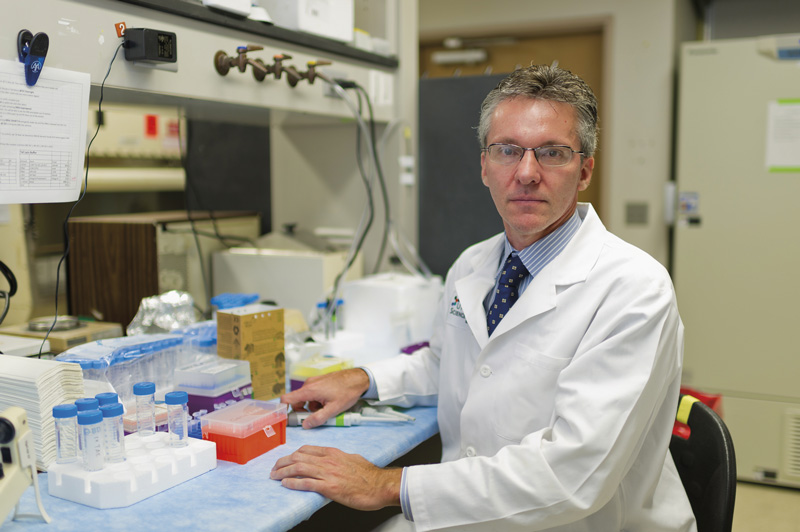
“The cancer research training program at the health science center is a continuum from the undergraduate to the postdoctoral levels,” said the program’s director, Babatunde “Kay” Oyajobi, M.D., Ph.D., M.B.A., associate professor of cell systems and anatomy. “We are fortunate to have this support because it allows us to support more of our really promising trainees than is ordinarily possible. In this way, outstanding young scientists advance in their careers in cancer research, and more cutting-edge research is done in Texas on cancer.”
A second and third grant, each $900,000 over three years, will fund studies of mammary gland development with the goal of preventing breast cancer that is associated with the BRCA1 gene mutation, led by Yanfen Hu, Ph.D., associate professor of molecular medicine, and studies of a type of cancer called diffuse large B cell lymphoma, with Ricardo C.T. Aguiar, M.D., Ph.D., professor of medicine, leading that project.
This latest funding announcement follows the largest grant ever made by the organization to the university, $10.9 million, received in May. That funding included $5 million to develop animal models that can be used to test new therapies in children whose cancer has relapsed or who are from minority groups that typically have not responded well to current treatments. It was awarded to Peter Houghton, Ph.D., professor of molecular biology and director of the Greehey Children’s Cancer Research Institute.
Another $3.6 million was awarded to Yidong Chen, Ph.D., professor of epidemiology and biostatistics, to update and expand existing infrastructure to establish a Cancer Genome Sequencing and Computational Core. CPRIT also awarded $2 million for the recruitment of Myron Ignatius, Ph.D., from Massachusetts General Hospital/Harvard Medical School. Finally, $200,000 was awarded to Yuzuru Shiio, M.D., Ph.D., associate professor of biochemistry, to develop a strategy to target EWS-FLl-1, a fusion oncoprotein that causes Ewing sarcoma, a bone and soft tissue cancer in children.
And in August, CPRIT awarded nearly $4.6 million to the Center for Innovative Drug Discovery, a joint program of UT Health San Antonio and The University of Texas at San Antonio, to design more-effective cancer drugs through small-molecule drug discovery.
The state agency also awarded $1.3 million for a prevention grant to UT Health San Antonio’s Daisy Morales-Campos, Ph.D., to promote HPV vaccination among Hispanic adolescents. Dr. Morales-Campos works at the Institute for Health Promotion Research.

High marks
UT Health San Antonio is ranked among the top universities around the world, listed as No. 388, according to the 2016 edition of U.S. News & World Report’s international universities ranking.
Several university programs have also been singled out for excellence by U.S. News.
The University of Texas at Austin College of Pharmacy, including its Pharmacotherapy Division located at the health science center, was ranked the No. 3 pharmacy school in the nation. The school has been a top-5 school for decades. The Pharmacotherapy Division is one of five divisions in the college, and is the only division located outside of Austin.
The San Antonio pharmacy program has 12 full-time faculty and more than 120 part-time or preceptor faculty, who train nearly 80 Pharm.D., M.S., and Ph.D. students, and 20 pharmacy residents in affiliated programs, annually.
The School of Health Professions at the health science center also achieved a national ranking of three of its graduate health programs in U.S. News & World Report’s Best Grad Schools for 2016.
The graduate program in physician assistant studies is among the top 25 percent of all ranked schools (33/141). The occupational therapy program improved its position to 44th from last year’s ranking of 54th out of 163 programs that received rankings, placing it in the top one-third nationally. And the physical therapy program continues to place in the top half of PT programs in the nation ranked by U.S. News & World Report (79/193).
Grant to boost Alzheimer’s institute
The John L. Santikos Charitable Foundation, managed by the San Antonio Area Foundation, has given a $2.3 million grant to UT Health San Antonio for high-powered radiological equipment to diagnose Alzheimer’s disease and other age-related conditions.
The new John L. Santikos CT and Nuclear Medicine Suite is a major component in the Biggs Institute for Alzheimer and Neurodegenerative Diseases, the first comprehensive center of its kind in San Antonio and South Texas.
The Biggs Institute, named for the late San Antonio community supporter Glenn Biggs, will feature expert diagnostics; physician specialists in Alzheimer’s, Parkinson’s and other diseases; support programs for caregivers; and access to clinical trials of new therapies. The Santikos Suite will include high-powered magnetic resonance imaging (MRI) and state-of-the-art nuclear medicine systems called SPECT-CT and PET-CT.
“We are deeply grateful for the $2.3 million gift provided by the John L. Santikos Charitable Foundation for specialized, high-powered radiological equipment,” said William L. Henrich, M.D., MACP, university president. “This equipment will substantially enhance our ability to accurately diagnose and care for seniors in our community who suffer from age-related neurodegenerative diseases such as Alzheimer’s and dementia.”
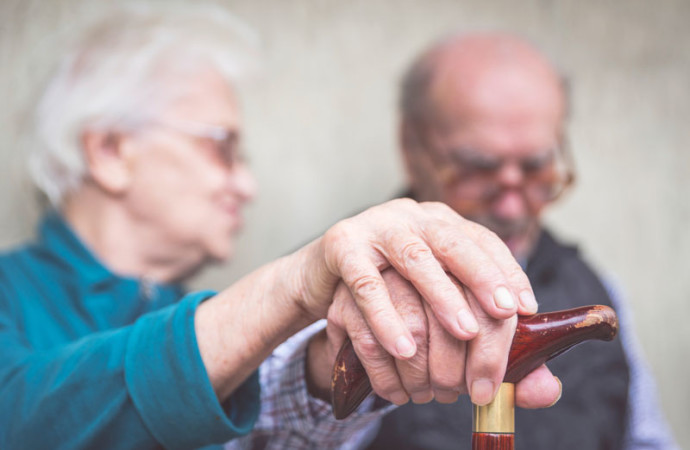
More than 55,000 patients and their families in South Texas are living with these irreversible conditions.
“The gift … will have a profound impact and will bring new hope for patients by supporting leading-edge clinical care, innovative medical research and access to cutting-edge clinical trials that will lead to the cures of tomorrow,” Dr. Henrich said.
The John L. Santikos Charitable Foundation has given more than $305 million in grants and scholarships since 1964. This year’s gifts to eight area organizations totaled $9.2 million, with the majority going to health care entities. UT Health San Antonio received the second-largest allotment, behind Christus Santa Rosa Children’s Hospital Foundation.

Appointments and awards
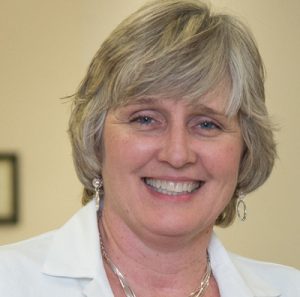
Donna (De De) Gardner, M.S.H.P., RRT, FAARC, FACCP, has been appointed as the new chair of the Department of Health Sciences for the School of Health Professions. Gardner has served as the chair of the Department of Respiratory Care and interim chair of the Department of Clinical Laboratory Sciences. She is an associate professor and the Steven Lloyd Barshop Endowed Professor in Respiratory Care.
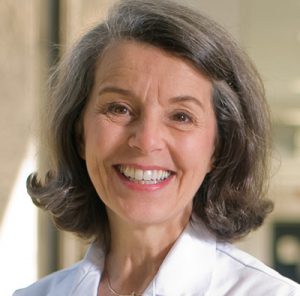
Kathleen Stevens, Ed.D., RN, was elected to serve on the Association for Clinical and Translational Science board of directors and is the first nurse ever nominated.

Michael A. Geelhoed, D.P.T., PT, OCS, MTC, associate professor and director of clinical education for the Department of Physical Therapy, was elected to the National Consortium of Clinical Educators’ board of directors as academic director-at-large.
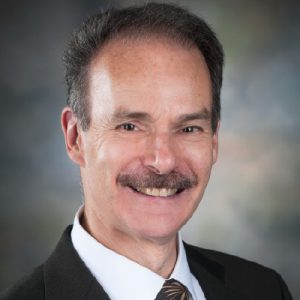
Robert M. Taft, D.D.S., FACP, was named chair of the Department of Comprehensive Dentistry. He is president of the American Board of Prosthodontics and vice president of the American College of Prosthodontists.
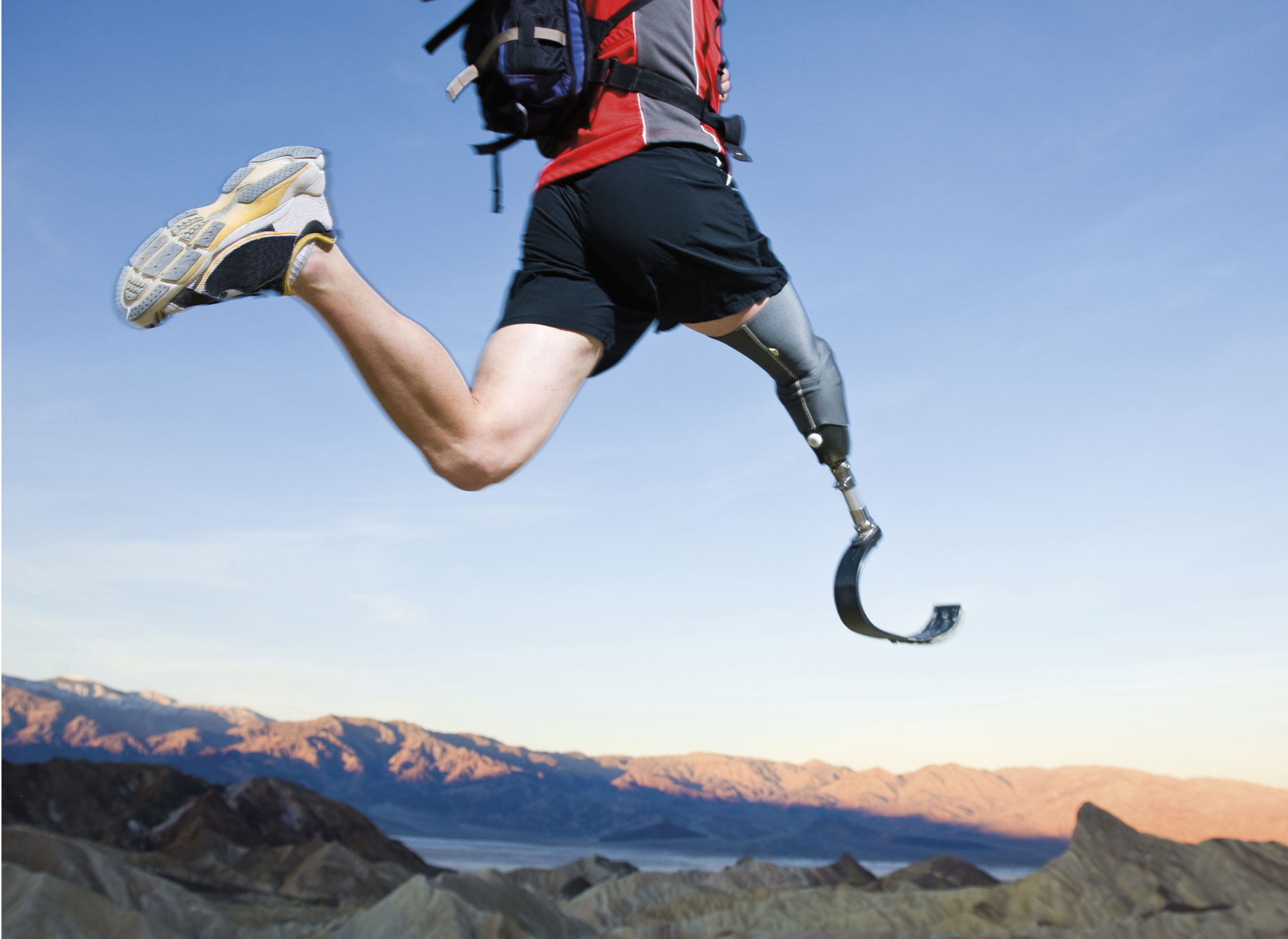
Just kick it
 Self-described “pain nerd” Donald McGeary, Ph.D., stood at the finish line at a track where a chronic pain patient had almost walked a complete lap during physical therapy.
Suddenly, the patient stopped and said, “I just can’t go any farther.”
Dr. McGeary, a clinical health psychologist, had heard him clearly, but recalls telling the man, “‘I couldn’t hear you. Can you come over here and tell me that?’ And he walked over to me and said, ‘I can’t go any farther.’ And I said, ‘You just proved yourself wrong by walking over here to tell me that.’”
In his specialty of managing pain without drugs, a fundamental goal is helping patients realize that they can do more than they thought.
That’s the focus of his new National Institutes of Health-funded study involving post-9/11 military veterans suffering chronic pain and psychological distress. He applied for the grant in response to an urgent NIH call for new programs for managing pain without prescription opioid medications.
Those with chronic pain after military trauma often have other chronic symptoms, including post-traumatic stress disorder, traumatic brain injury and depression. Such “polymorbidity” makes all the conditions more difficult to treat, and opioids complicate those multiple conditions and worsen a patient’s ability to function.
Yet U.S. prescription opioid sales have increased by 300 percent since 1999, leading to growing dependency on narcotics. In 2014, nearly 2 million Americans either abused or were dependent on opioids, according to the Centers for Disease Control and Prevention.
Some prescription opioid users start using street heroin, an opioid often cheaper and easier to obtain, according to reports by the National Institute on Drug Abuse. The NIH, together with the Department of Veterans Affairs and other agencies, wants to reduce this high opioid use.
While research shows that primary care doctors dislike prescribing opioids for chronic pain, they don’t know of alternatives, said Dr. McGeary, an assistant professor of psychiatry. He believes patients use opioids because they see no other way to manage pain, although the drugs don’t promote rehabilitation and actually worsen a person’s ability to function.
His study compares Functional Orthopedic Rehabilitation Treatment, or FORT, to VA “treatment as usual.” In FORT, a psychologist, VA physician, physical therapist and occupational therapist communicate closely on patient treatment and progress in gaining physical function, such as walking, bending and lifting.
The treatment is broken into four parts: psychology, cognition, behavior and mindfulness.
The psychological part integrates relaxation, guided exercise, and positive and comforting thoughts with elements of physical therapy, occupational therapy, pain medicine, pain-related coping and stress management. Biofeedback measures heart rate, muscle tension, perspiration and respiration—all stress indicators.
The cognitive part targets patients’ thoughts to eliminate “pain catastrophizing,” mistaken ideas such as a back pain sufferer’s belief that excessive activity could cause paralysis, which is usually not true.
Dr. McGeary tells patients that the pain is like a constantly ringing telephone with no one on the line.
“The signal is useless now,” he said. “It doesn’t make sense to pay attention to it or to try to read anything into it.”
The behavioral part focuses on getting patients active—walking around that track, picking up that child, going to work.
“You need to teach people to push themselves over time, so they can get rehabilitative benefit,” Dr. McGeary said. “You know you’re successful when they’re lifting more and they’re telling you they’re lifting more. I want you to be stronger and know that you’re stronger.”
The mindfulness part trains patients to allow pain and catastrophic thoughts to be, without feeling compelled to try constantly to control them. This helps them separate emotion from alarming thoughts.
“When you can get people to step away from their emotional response, they don’t have anything to control anymore,” Dr. McGeary said. “They can make decisions otherwise. They can just go be active. I can feel bad and be active at the same time.”
The program builds on a previous pain study Dr. McGeary conducted with active-duty military. Half stopped using opioids, although that program did not discuss drugs.
He’s also testing medication-free pain management with a study launched last year for the Consortium to Alleviate PTSD, involving Iraq and Afghanistan war veterans with post-traumatic headache and post-traumatic stress. The consortium, in the Health Science Center’s behavioral medicine division, is funded by the VA and Defense Department.
Effective, drug-free pain management could save lives. A recent San Antonio Veterans Integrated Service Network study found that the opioid hydrocodone is the most prescribed medication in the service network and that 40 percent of veterans using an opioid had used it for more than three months. Chronic opioid use among polymorbid veterans has been linked to poor rehabilitation outcomes, abuse of other substances and death.
“With so many people transitioning out of the military to the VA, the VA is going to experience a glut of chronic pain patients, and they need to solve this fast,” Dr. McGeary said. “The solution is not to give everyone hydrocodone, and they know that. They are trying to come up with something better.”
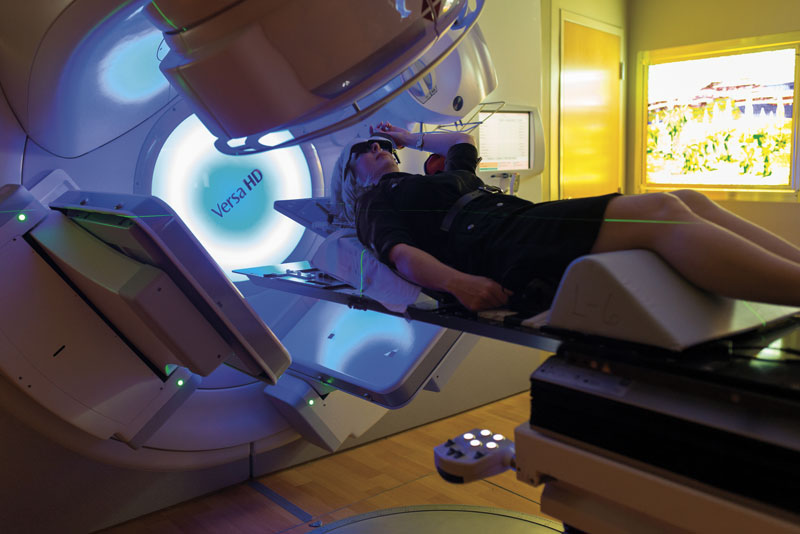
Do hold your breath
A woman’s risk of long-term cardiac side effects from radiation therapy when treating left-sided breast cancer could be reduced through the use of a new form of surface imaging, available at the Cancer Therapy & Research Center (CTRC).
By taking a deep breath and holding it, the space between the breast and the heart widens, minimizing or eliminating radiation exposure the heart may receive during radiation therapy. The technique, called Deep Inspiration Breath Hold, isn’t unique, but the CTRC is one of only a handful of centers nationwide that pair it with surface imaging that allows the treatment team to see exactly when the maximum separation occurs.
“Conventional techniques of radiation therapy for left breast cancer give a dose of radiation close to the surface of the heart,” said CTRC radiation oncologist Richard L. Crownover, M.D., Ph.D., professor in the Long School of Medicine. “This is significant because coronary arteries are on the surface of the heart. The exposure may lead to other effects, basically the acceleration of atherosclerosis or ‘hardening of the arteries.’ This becomes a risk factor for heart attacks years later, especially for younger women.”
Deep Inspiration Breath Hold enables the treatment team to accurately position the patient each time a treatment is done. They can position the patient into the same exact spot, to within a few millimeters, each day during a course of treatment.
The radiation is “gated”—the system does not allow the radiation beam except when the patient is in the correct deep breath hold position, Dr. Crownover said.
Special goggles tell the patient when to breathe. The patient sees a bar and a box in her field of vision, and when she breathes the bar goes up and down. The care team practices this with the patient at a simulation session prior to the start of treatment.
“This reduces radiation exposure to the coronary arteries, which is expected to reduce the risk of problems down the road,” said radiation oncology physicist Alonso N. Gutiérrez, Ph.D., associate professor in the Long School of Medicine.

Only part of the story
It’s been dubbed the Angelina Jolie gene, the BRCA1 gene mutation that put the actress at higher risk for invasive breast cancer and led to her undergoing a double mastectomy to prevent it.
BRCA1 is known to suppress cancer by repairing breaks in DNA, the molecule that contains the genetic blueprint of each cell. DNA damage occurs with aging and environmental insults.
In a new study, published in Nature Communications, Cancer Therapy & Research Center researchers found that BRCA1 also serves as a limiter or governor on a gene called COBRA1 that regulates breast cell growth.
“We now have solid and compelling evidence that BRCA1 in breast tissue is doing something independent of DNA repair,” said study lead author Rong Li, Ph.D., professor of molecular medicine. “We still think DNA repair is important for BRCA1 to suppress tumor development, but we just don’t think it’s the whole story.”
Since DNA repair is needed in every cell of the body, scientists have puzzled over why loss of BRCA1 function predisposes women to only breast and ovarian cancers. Also, diminished BRCA1 activity doesn’t affect men significantly, as it does women.
“From very early on, we and others in the field speculated that maybe there is a DNA repair-independent function associated with BRCA1 that can better explain this tissue and gender specificity,” Dr. Li said.
The new finding provides at least part of that answer, he said, and could one day translate into better diagnostic and treatment tools for this form of breast cancer.
“The ultimate goal would be to slow down or even prevent breast cancer development in BRCA1 mutation carriers,” he said.