

Going global
Nursing collaboration gains UN approval
A project between the School of Nursing and the Universidad Autónoma de Nuevo León, funded by the Mexicans and Americans Thinking Together Foundation, has been accepted and published in the Global Registry of the United Nations on Partnerships for Sustainable Development Goals.
The collaboration, called Salud Nuevas Fronteras, is an educational initiative that complies with the guidelines of the Sustainable Development Goals promoted by the United Nations.
Eileen T. Breslin, Ph.D., RN, FAAN, dean of the School of Nursing, said the project was created to improve nursing education and health care on both sides of the border.
“We have learned that health problems experienced by patients in South Texas are similar to those in Mexico,” she said. “Looking at our curriculum from a different perspective helps us improve what we are teaching our students and helps our nursing colleagues in Mexico to develop a new curriculum for [their university].”
Aracely Garcia-Granado, the executive director of the Mexicans and Americans Thinking Together Foundation, said health and education “are the necessary pillars for closing the social and economic development gaps between Mexico and the United States. It is a great honor to have the recognition of the United Nations.”
Salud Nuevas Fronteras was created in 2012.
Among the top
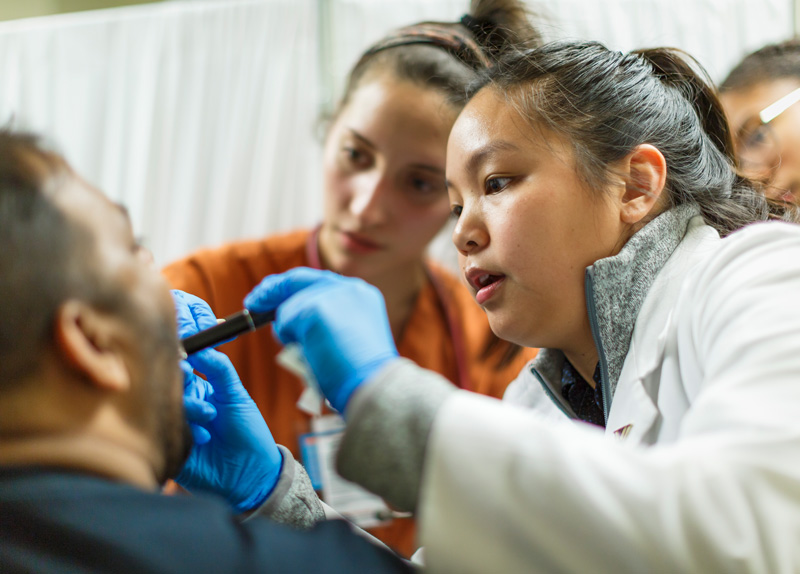
The Joe R. and Teresa Lozano Long School of Medicine was recognized as a finalist for the Spencer Foreman Award for Outstanding Community Service by the Association of American Medical Colleges.
The AAMC noted five areas where the school is addressing community needs through clinical and scholarly means.
- The School of Medicine was a founding member of the Bexar County Health Collaborative, a community consortium of health-focused organizations.
- STRONG STAR, based at UT Health San Antonio, is a federally funded network of national experts seeking the best ways to treat behavioral health problems of post-9/11 service members and veterans.
- UT Teen Health provides reproductive health information and promotes healthy life choices. Since its founding in 2003, San Antonio’s teen birth rate has declined by more than 40 percent.
- The Center for Medical Humanities and Ethics is a robust center for community service learning as well as home to six free student-faculty collaborative clinics for vulnerable populations in the community.
- The School of Medicine has worked to improve the health of Latino children and build a grassroots network through Salud America! that advocates for policy changes.

Newsmakers
Sandra Burge, Ph.D., professor emeritus in the Department of Family and Community Medicine, received the Distinguished Research Mentor Award from the North American Primary Care Research Group, an international research society for the discipline of family medicine.
Paolo Casali, M.D., professor and chair of the Department of Microbiology, Immunology and Molecular Genetics, was awarded a T32 Training Grant for his Graduate Research in Immunity Program from the National Institutes of Health. Dr. Casali’s program will train Ph.D., D.D.S./Ph.D., and M.D./Ph.D. students for careers in academia, industry or government.
Francisco G. Cigarroa, M.D., professor of pediatric and transplant surgery, received the American Medical Association Foundation Award for Health Education.
Diane Ferguson, B.S.N., RN, director of the H-E-B Clinical Skills Center, was named the Outstanding Educator of the Year by the Association of Standardized Patient Educators. The association promotes best practices and fosters research and professionalism among standardized patient educators.
|
Dr. Ferrer, a practicing family physician in the Joe R. and Teresa Lozano Long School of Medicine, focuses on understanding and measuring practical opportunities for healthy behaviors to improve health and well-being in vulnerable populations. The National Academy of Medicine serves alongside the National Academy of Sciences and the National Academy of Engineering as an independent adviser to the nation and the international community. Membership in the National Academy of Medicine is considered one of the highest honors in the fields of health and medicine and recognizes individuals who have demonstrated outstanding professional achievements and commitment to service. |
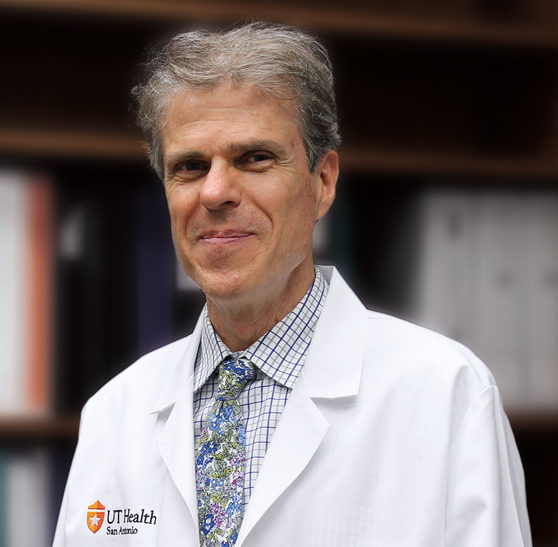 Robert L. Ferrer, M.D., M.P.H., vice chair for research in the Department of Family and Community Medicine, has been elected to the National Academy of Medicine in recognition of his work in community health. He is the eighth faculty member in UT Health San Antonio history to attain this distinction.
Kenneth M. Hargreaves, D.D.S., Ph.D., professor and chair of the Department of Endodontics, was named the 2018 recipient of the American Dental Association Gold Medal Award for Excellence in Dental Research.
Carlos Jaén, M.D., Ph.D., professor and chair of the Department of Family and Community Medicine, was appointed to the National Library of Medicine Board
of Regents.
Anne-Marie Langevin, M.D., professor of pediatrics and Greehey Chair in Pediatric Oncology, has received the Harry Hynes Award from the National Cancer Institute’s Community Oncology Research Program.
|
The new center will be managed by the U.S. Department of Veterans Affairs’ Office of Health Services Research & Development. It will be named for former U.S. Sen. Elizabeth Dole in recognition of her national leadership and advocacy on behalf of the nation’s 5.5 million military and veteran caregivers. |
 Luci K. Leykum, M.D., professor of medicine and chief of the Division of General and Hospital Medicine, has been named to head a first-of-its-kind center of excellence to improve services to veterans and their caregivers.
Jacqueline M. McGrath, Ph.D., RN, FNAP, FAAN, was named vice dean for faculty excellence for the School of Nursing and will hold the Thelma and Joe Crow Endowed Professorship.
Brian L. Mealey, D.D.S., M.S., professor in the Department of Periodontics, received the American Academy of Periodontology Outstanding Periodontal Educator Award.
Michael P. Mills, D.M.D., clinical associate professor in the Department of Periodontics, received the American Academy of Periodontology Special Citation Award.
Masahiro Morita, Ph.D., assistant professor of molecular medicine in the Joe R. and Teresa Lozano Long School of Medicine, has received a Rising STARs Award from the UT System. The award for early career investigators comes with a $250,000 grant.
Jan E. Patterson, M.D., M.S., professor of medicine/infectious diseases and pathology, was awarded the Society for Healthcare Epidemiology of America Lectureship award.
Bridgett Piernik-Yoder, Ph.D., OTR, was named chair of the Department of Occupational Therapy in the School of Health Professions.
Sudha Seshadri, M.D., professor of neurology and director of the Glenn Biggs Institute for Alzheimer’s and Neurodegenerative Diseases, recently received a
$1.9 million Translational STARs award from the UT System to address research and treatment needs in Alzheimer’s and other neurodegenerative diseases.
Jing Wang, Ph.D., M.P.H., M.S.N., RN, FAAN, has joined the School of Nursing as vice dean for research. She is a professor and the holder of the Hugh Roy Cullen Professorship in Nursing, and will guide faculty and student research within the School of Nursing.
Richard Wettstein, M.M.Ed., RRT, FAARC, was named director of the Respiratory Care Program in the School of Health Professions.
Kexin Xu, Ph.D., assistant professor in the Department of Molecular Medicine, was recognized with the Young Investigator Award from the Society for Basic Urologic Research.

Power to the patient
Personalized, or precision, medicine is expected to be the new normal in medicine in the future.
The Graduate School of Biomedical Sciences has launched a new master’s degree in personalized molecular medicine that will train students in personalized medicine approaches and provide the knowledge and skills required to explore molecular medicine pathways.
Students will study the complex and integrated biological systems, and will receive firsthand experience in the use of technologies in next-generation sequencing, single-cell analysis, computational biology, epigenomics, proteomics, drug design, animal models of human disease, system approaches and instruction in mining human disease databases.

The trauma of youth
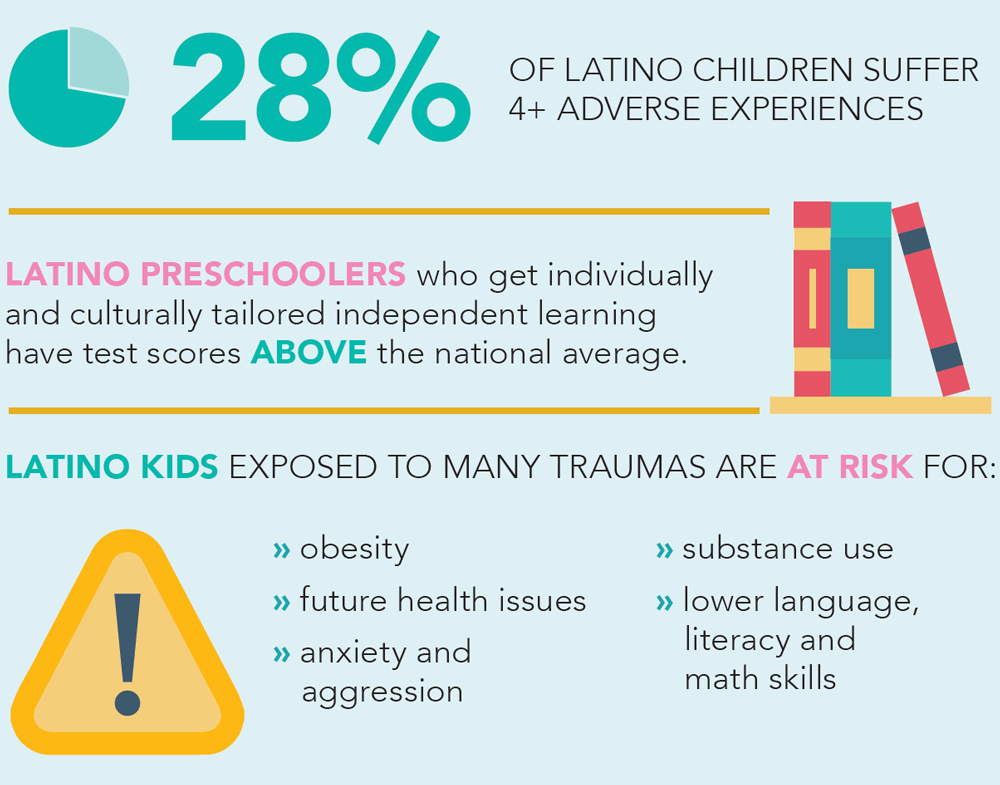
Nearly 4 in 5 Latino youth suffer at least one traumatic childhood experience such as poverty or abuse, and lack the proper care, support and environment they need for healthy development, according to Salud America!, a national network for healthy change at UT Health San Antonio.
The research review, “The State of Latino Early Childhood Development,” shows 77.8 percent of Latino youth suffer poverty, neglect, abuse or household dysfunction. The report calls for policy and practice changes, including increased spending on childhood education, comprehensive and continuous preventative health care and developmental/behavioral screening, and increased access to grocery stores and farmers markets.

In gratitude
Photo courtesy of Austin American-Statesman
Joe R. and Teresa Lozano Long, for whom the UT Health San Antonio School of Medicine and the central campus are named, received the UT System Board of Regents highest honor—the Santa Rita Award.
The Longs, who have contributed approximately $100 million to UT Health San Antonio, UT Austin and UT Rio Grande Valley, have created numerous student scholarships, faculty chairs and professorships, and contributed programmatic funds in various disciplines, including medicine, law, business, education, pharmacy, music and art.
First presented in 1968, the Santa Rita Award shares a name with Santa Rita No. 1, the first producing oil well on university lands in West Texas. The well hit oil in 1923 and jump-started the growth of the Permanent University Fund, which has provided transformational resources for UT System and Texas A&M institutions.
Only 25 Santa Rita awards have been presented by regents over the past 50 years. The award is given to individuals or organizations who demonstrate a record of commitment to furthering the purposes and objectives of the UT System and serving as the highest example of selfless and public-spirited service.
“Joe and Terry’s love story is one that touches all of our hearts. They decided as a couple that their devotion to one another would include extending educational opportunities to others who could benefit from their successes,” said Board of Regents Chairman Sara Martinez Tucker. “Among their many generous acts is ensuring that first-generation students can attend medical school without debt and return to their communities as physicians, serving countless individuals who need their healing expertise.
“Multiply that over the years, with the more than 200 students who have already been ‘Long Scholars’ or ‘Long Physicians’ at UT Health San Antonio, and one can easily see that the Longs will have made a difference beyond measure and will touch millions of lives over many generations to come,” Tucker added.
The medical school and campus at UT Health San Antonio are both named for the Longs in honor of their commitment of more than $61 million to build a significant future pipeline of physicians, nurses and other health care providers from South Texas. These future health care providers will in turn serve regions throughout Texas during their professional careers. The fund, which supports faculty and student endowments and other critical research needs, has since positioned UT Health San Antonio as one of the nation’s leading medical schools for graduating Hispanic physicians.
The Lozano Long Institute for Latin American Studies at UT Austin, an internationally acclaimed scholarly institute, bears Teresa Lozano Long’s name and integrates more than 30 academic departments in educational and research activities to promote a greater understanding of, and close scholarly and cultural relationships with, Latin America.
Teresa Lozano Long, the daughter of a dairy farmer, grew up in Premont, Texas. As valedictorian of her high school, she attended UT Austin, earning Bachelor of Science and Master of Education degrees. She also was the first Hispanic woman to earn a doctorate in health and physical education at UT Austin. She has served on state and national boards and commissions, including the National Endowment for the Arts, and is a Distinguished Alumna of UT Austin and a member of the Texas Women’s Hall of Fame.
Joe Long received a bachelor’s degree at what is now Tarleton State University in Stephenville, Texas, a part of the Texas A&M University System. After graduation, he met his future wife when they were both teachers in Alice, Texas. She had an interest in returning to UT Austin for a doctorate, and he wanted a law degree. They both achieved their educational goals at UT Austin, and Joe Long began his professional career as an attorney, first with the State Securities Board, then with the attorney general’s office before transitioning into private banking. He also is a Distinguished Alumnus of UT Austin and has served on and chaired many boards, including the Austin Symphony Orchestra.
“Terry and I are extremely pleased to be given this highest honor from the University of Texas System and its regents,” Joe Long said. “We hope that our giving will encourage others to do the same.”

Talk your way to sleep
By Joel Williams
 Insomnia is a widespread problem in the U.S. military and the most commonly reported disorder following deployment. A new study published in the journal Sleep found that cognitive-behavioral therapy, a form of talk therapy, was highly effective with an active-duty population experiencing insomnia.
The study was funded by the Department of Defense and conducted by researchers at the University of North Texas and other institutions affiliated with the STRONG STAR Consortium, based at UT Health San Antonio.
While the study showed that cognitive behavioral therapy for insomnia led in person by a therapist is superior, it also validated an internet-based version of the therapy, which was about half as effective, as a possible option.
One hundred soldiers at Fort Hood, Texas, with chronic insomnia participated in the study led by Daniel Taylor, Ph.D., professor of psychology and director of the Sleep Health Research Laboratory at the University of North Texas.
Chronic insomnia is defined by the Diagnostic and Statistical Manual of Mental Disorders as sleeping poorly at least three nights a week for a month or longer, despite adequate opportunity for a full night’s sleep. It is “a significant problem in the military,” and a strong risk factor for post-traumatic stress disorder, depression and substance abuse, absenteeism and occupational accidents, Dr. Taylor said. Treatment of insomnia may not only improve sleep in these soldiers, but also improve these other conditions, he said.
Alan Peterson, Ph.D., professor of psychiatry at UT Health San Antonio, director of STRONG STAR and a co-author on the Sleep paper, added that, in addition to the danger that medications create for active-duty military personnel, drugs are not effective for treating chronic insomnia.
“So, an effective, non-medication therapy for insomnia is very much needed in the military,” Dr. Peterson said. “And the finding that an internet version of the treatment can be effective is important, since this option could be used to make the therapy more accessible.
“Results of this study will be considered by the Department of Defense as it sets treatment guidelines for insomnia among military service members.”
Kristi Pruiksma, Ph.D., an assistant professor of psychiatry at UT Health San Antonio and a STRONG STAR collaborating investigator who served as a clinical psychologist for the study, said that the in-person and internet treatment options have unique benefits.
“A benefit of the in-person treatment is that therapists can be creative with patients and brainstorm ideas to help them follow the sleep recommendations and better engage in treatment,” Dr. Pruiksma said. “That is hard to accomplish with an online program.”
However, she said that the online program is valuable because it allows patients with work and family demands to complete sessions on their own time, serves as a treatment option for service members who want to avoid the perceived stigma of going to a military behavioral health clinic, and provides easy access to a valuable treatment for which there are not enough trained providers to meet the high demand for help with insomnia.
The investigators believe that an important next step will be to figure out who can achieve good benefits from the online program and who may need additional assistance from a therapist.

Making strides

The School of Health Professions is expanding its reach in South Texas, as well as in new disciplines.
In September, the school announced a memorandum of understanding with Texas A&M International University in Laredo for an early acceptance program beginning this fall. This comes on the heels of approval to launch a new master’s degree program in speech-language pathology.
Through the agreement, first-time TAMIU freshmen will be guided through courses and other requirements needed to earn a Bachelor of Science degree at TAMIU. Eligible students can then enter one of four master’s degree programs or a doctoral degree program in the School of Health Professions at UT Health San Antonio.
The programs include master’s degrees in physician assistant studies, respiratory care, medical laboratory sciences and occupational therapy, and the Doctor of Physical Therapy degree.
“This agreement will provide a roadmap for successful entry into our health professions programs through TAMIU,” said UT Health San Antonio President William L. Henrich, M.D., MACP. “Students will know which courses, volunteer work, applications and grade point averages are needed to meet the requirements, providing cost savings to students and their families. The best part is that each student’s success will translate into better health care for every patient they serve in the future.”
In August, the School of Health Professions received an award of candidacy from the Council on Academic Accreditation of the American Speech-Language-Hearing Association for its Master of Science in Speech-Language Pathology.
The first cohort will begin this spring.
“Our program will be unique in Texas in that we will have a medical focus designed to prepare speech-language pathologists to work in a variety of settings, including hospitals, other acute-care facilities and rehabilitation centers,” said David C. Shelledy, Ph.D., RRT, FAARC, FASAHP, dean of the School of Health Professions.
The program is two years, or five semesters, of graduate study and community-based clinical training with a medical focus.
“Training [these] students at a health science campus is a perfect educational model to offer graduates a robust scientific education and community-based clinical training for work as medical speech-language pathologists in diverse health care settings,” said Fang-Ling Lu, Ph.D., CCC-SLP, associate professor and director of the speech-language pathology program.
Supporting military families
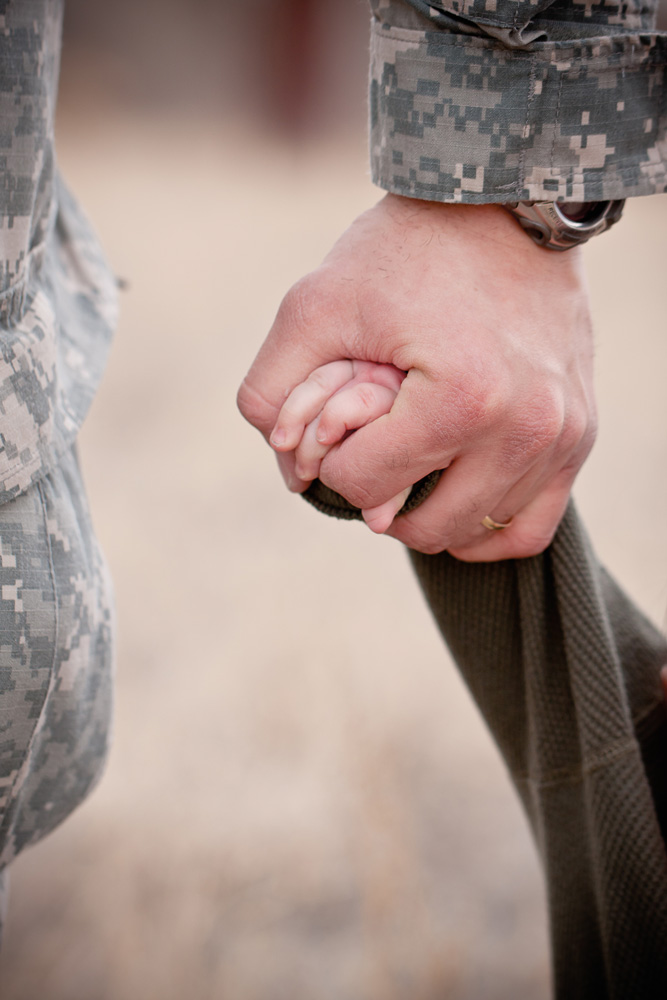
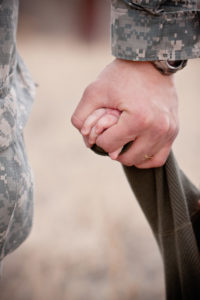 Caregivers in military families face challenges to their physical and mental health. A national report indicates that the prevalence of depression among military caregivers may be up to four times higher than the U.S. adult population.
UT Health San Antonio launched a 12-week pilot program to provide telehealth counseling for caregivers in 50 military families. Each of the military caregivers in the program will complete psychological scales at the start of the study and at weeks four, eight and 12. Cognitive behavioral therapy and other evidence-based psychotherapies will be utilized.
Counseling will be accomplished via computer and smartphone technology, allowing caregivers to interact face to face with licensed therapists without having to leave their homes. The program is funded through a grant from USAA.
“Every military caregiver and family is important,” said William L. Henrich, M.D., MACP, university president. “We are establishing an innovative pilot program of telehealth support for these hidden heroes. Our goal, supported by USAA, is to strengthen the resiliency of families who care for our nation’s wounded service members.”
The program will target military caregivers addressing diverse issues in their loved ones, such as pain management, effects of traumatic brain injury, and mood and anxiety disorders.
Researchers plan to create a manual of treatment protocol that can be expanded to help as many families as possible.

New network for veteran support
 Post-traumatic stress disorder is a major condition affecting the quality of life of hundreds of thousands of post-9/11 combat veterans. To meet the need for PTSD treatment, UT Health San Antonio has launched an initiative to increase the number of community clinicians qualified to provide the leading therapies.
The STRONG STAR Training Initiative–Texas will train veteran-serving mental health professionals across the state in two evidence-based treatments, prolonged exposure and cognitive processing therapy. Those providers will commit to treating at least five veterans each.
The initial phase of the program provides workshops at no cost to eligible providers and organizations in seven cities around Texas and is funded by a grant from the Texas Health and Human Services Commission, via its Texas Veterans + Family Alliance Program.
In 2018, the program will expand nationally through a $200,000 grant from the Bob Woodruff Foundation. The national effort in 2018 will provide training for 200 mental health providers. Each provider will commit to treat at least five veterans, benefiting at least 1,000 veterans.