

Innovative procedure saves life of high-risk cancer patient
After a routine endoscopy revealed esophageal cancer, Juan Trevino, 68, was told he was too high-risk for surgery because of his other health conditions. Facing limited time and few options, he and his wife, Gloria Trevino, turned to an innovative, minimally invasive procedure available at only a handful of centers in the country — one that would ultimately give him a second chance at life.
‘Nobody would touch me’
Juan Trevino said he had not experienced any symptoms and that the diagnosis came as a shock to him. It was especially devastating given his complicated medical history. In 2019, he was diagnosed with leukemia and underwent a stem cell transplant that put the disease into remission. Later, he was diagnosed with myelodysplastic syndromes, or MDS, a group of disorders caused by malfunctions in the production of blood cells.
Because of the MDS, Juan Trevino takes antirejection medication, which makes major surgery extremely risky. While he was told that removing his esophagus would be too dangerous due to his other health conditions, at the same time, he was warned that without removing the cancer, he might have only two years to live.
“It was just like, boom, boom, boom, one shocking diagnosis after the other, and now they’re saying nothing can be done. Nobody would touch me,” Juan Trevino said.
For him and his wife, the news was crushing.
“I mean, what were we supposed to do? The doctors just told us they’re not going to touch him and then told us you’ve got two years. It was awful to hear that because what are we supposed to do?” Gloria Trevino said.
A Google search and a breakthrough
When Juan Trevino’s oncologist mentioned a specialized procedure that might be an option, Gloria Trevino went home and began researching online. That search led her to Matheus Franco, MD, PhD, associate professor in the Department of Gastroenterology and Nutrition at the Joe R. and Teresa Long School of Medicine at UT Health San Antonio and director of endoscopy at the UT Health San Antonio Multispecialty and Research Hospital — one of the few physicians in Texas performing a technique called endoscopic submucosal dissection, or ESD.
“As soon as we read about Dr. Franco and what he could do, we were very impressed and hoped that he could be the one who would help us,” Gloria Trevino said.
A minimally invasive answer
ESD is a minimally invasive, incisionless procedure used to remove large, superficial tumors, polyps and early-stage cancers of the esophagus, stomach and rectum in one piece using an endoscope. It offers a high cure rate while preserving the organ, avoiding traditional surgery and allowing for faster recovery. The procedure represents an innovative advancement for patients in South Texas.
“Very few centers in the U.S. are offering this kind of technique. We have been offering this procedure to our patients in South Texas, and we have good results with a large number of patients,” Franco said.
Juan Trevino’s cancer was classified as stage T1B N0, meaning the tumor was present in the mucosa and submucosa but had not yet spread to lymph nodes or other organs. That made him a possible candidate for ESD, given the high risk of a surgical procedure, said Franco.
When Juan Trevino arrived for the procedure, he was struck by the advanced technology in the operating room. He said walking inside felt like stepping onto the USS Enterprise starship from Star Trek. Despite his nerves, he found comfort in the care he received from Franco and the medical team, who explained every step and encouraged him throughout the process.
Healing without major surgery
The procedure was successful, and Franco was able to fully remove the tumor. Juan Trevino now follows up with the medical oncology team at UT Health San Antonio’s Mays Cancer Center. While doctors cannot consider the treatment fully curative until five years of cancer-free follow-up, the outcome so far has been extremely positive. Because the procedure was minimally invasive, it was also a much safer option for a patient with Juan Trevino’s complex medical history.
“Everything went well. I was in and out of the procedure and I didn't have any problems. And most importantly, Franco never said ‘no, I'm not going to be able to help,’” Juan Trevino said.
For Gloria Trevino, the impact was life-changing.
“Franco saved his life. We are so grateful to him. He wouldn’t be here for long without Franco performing this procedure,” she said.
Franco said being able to offer patients like Juan Trevino a safer alternative to major surgery is deeply meaningful.
“It’s the best thing we can do as a doctor. Having a patient who has been struggling and suffering because of a condition and being able to offer a solution for this patient that is a safe and less-invasive approach is very rewarding for me as a doctor. It means a lot to be able to help,” he said.
Juan Trevino’s recovery has gone smoothly. He has experienced only minor, expected issues such as some pain when swallowing, and he will continue to receive regular monitoring and follow-up care.
Warning signs and risk factors
Esophageal cancer is often linked to risk factors such as chronic reflux and smoking. Symptoms can include dysphagia, or difficulty swallowing; pain with swallowing; the sensation of food getting stuck in the esophagus; anemia caused by internal bleeding; and unintentional weight loss from reduced food intake.
Franco emphasizes the importance of both lifestyle changes and paying close attention to gastrointestinal symptoms.
“Lifestyle changes like maintaining a balanced diet, exercising and managing weight can help reduce risk of esophageal cancer, because being overweight or obese is a risk factor for reflux, and over time, reflux can put patients at risk for esophageal cancer. In addition, stopping smoking and controlling or managing alcohol use are also very important,” he said.
Hope for other patients
Gloria Trevino hopes other patients hear about her husband’s story and know help is available.
“The public needs to know that [Dr. Franco] is there and he can help you. He'll save your life, and he can,” she said.
Less-invasive approaches like ESD are not appropriate for every patient, but they can be life-changing for those who meet the criteria — especially older patients and those with other serious medical conditions who face higher risks from major surgery.
“It's not something for all patients, but at least for the right patient who can meet the criteria, it’s very rewarding for us as an institution to be able to offer this. It's one more tool in the toolbox that we have here at UT Health San Antonio,” Franco said.
For more information or to request an appointment with the Advanced Interventional Endoscopy Program, call 210-450-9880.

Dementia isn’t destiny: A healthy heart is also good for the brain
Why vascular health may hold the key to cognitive function
When most people think about vascular health, the heart typically comes to mind. Controlling blood pressure, managing cholesterol and staying active are often seen as ways to stave off heart disease. But maintaining a healthy vascular system is also critical for another essential organ: the brain.
“Vascular contributions to cognitive impairment and dementia are very common,” said Sudha Seshadri, MD, DM, founding director of the Glenn Biggs Institute for Alzheimer’s and Neurodegenerative Diseases at UT Health San Antonio. “Over a lifetime, nine out of 10 people in the U.S. will develop hypertension, so the risk of developing damage to the brain because of injury to the blood supply is extremely high.”
Vascular cognitive impairment and dementia, or VCID, is the second-most-common cause of dementia after Alzheimer’s disease, often overlapping with it. According to the Centers for Disease Control and Prevention, it accounts for 5% to 10% of dementia cases on its own, but experts say that in mixed cases, vascular injury plays a role far more often.
“The most common form of dementia isn’t just one type — it’s a mixture. It’s what we call multiple etiology dementia, and vascular injury is the most frequent contributor to that mix,” Seshadri said.
“Even when someone has Alzheimer’s disease, we still need to ask: Are there vascular contributions that we can manage? Because treating those may slow progression more than any single drug we have right now.”
Signs of vascular injury to the brain

Symptoms of VCID differ from those of other dementias, like Alzheimer’s disease, and they present in a number of ways depending on what part of the brain is affected by the vascular injury.
“Someone who suffers a big stroke could have critical regions like the thalamus knocked out. That area controls motivation and planning,” Seshadri explained. “Or, someone could have a series of smaller strokes that collectively impair function. You might see signs like slowed thinking, trouble with language and executive function and physical symptoms like difficulty walking — features that differ from the typical early symptoms of memory impairment seen in Alzheimer’s disease.”
Other signs include emotional changes, such as inappropriate laughing or crying, known as pseudobulbar affect, and a higher prevalence of depression.
“These clinical features can give doctors clues that vascular issues are involved,” Seshadri said.
Advancing care through AI
In addition to how clinical symptoms present, advanced imaging can help clinicians diagnose and detect brain changes earlier and more precisely.
An artificial intelligence tool developed at UT Health San Antonio can accurately count brain lesions on MRI scans within seconds, helping neuroradiologists evaluate patients’ brain diseases at earlier stages. With this technology, doctors are able to not only see the signs of vascular injury like microbleeds or enlarged perivascular spaces with the imaging, but also quantify the imaging.
“We can quantify changes to the brain, the number, the intensity and the location of the changes in the brain,” Seshadri said. “All this information is crucial to helping our understanding of what’s causing them, which can lead to developing better treatments.”
Small vessels, large damage
While a large stroke can cause devastating damage, the more common contributor to vascular injury is not from the large arteries, but from cerebral small vessel disease, which affects the tiny vessels deep in the brain, Seshadri explained.
When these small vessels become obstructed, they can impair oxygen flow, causing numerous small, silent strokes. Obstructed small vessels can also burst, causing small hemorrhages, or microbleeds.
Common causes for cerebral small vessel disease are hardened arteries, or arteriosclerosis, and cerebral amyloid angiopathy, which is when amyloid protein — the same found in Alzheimer’s disease — deposits in blood vessel walls, causing them to leak or rupture.
While injury to small vessels doesn’t present as dramatically as having a large stroke, over time it can lead to widespread structural damage.
“Some people can have hundreds of microbleeds in their brain,” Seshadri said. “And as you can imagine, it causes a lot of disruptions to a person’s daily tasks and functioning.”
Findings from the Nun Study, a landmark study analyzing more than 30 years of aging and dementia patterns of 678 nuns from the School Sisters of Notre Dame — now housed at the Biggs Institute — discovered the integral role of damage to the small vessels of the brain in developing dementia.
Researchers found that among elderly nuns whose brains had equal levels of amyloid plaques and tau tangles — the key features of Alzheimer’s disease — those who had a large stroke were five times more likely to have dementia. But those with the small, silent strokes caused by cerebral small vessel disease were 20 times more likely to have dementia.
“Because of this finding, today there is a lot of emphasis on what is causing this small vessel disease and how to treat and prevent it,” Seshadri said.
Prevention begins with awareness
Fortunately, there are many lifestyle factors that, when managed, can greatly reduce a person’s risk of developing VCID.
“The same risk factors that lead to heart disease, like high blood pressure, diabetes and inflammation, are heavily involved in brain injury, too,” Seshadri said. “So, managing blood pressure, staying physically active and avoiding smoking can all reduce your risk.”
Seshadri emphasized that maintaining good vascular health is always a good idea, no matter the condition.
“Even if someone has Alzheimer’s or a different type of dementia, hypertension adds to more risk and more injury,” she said. “So, regardless of whatever type of dementia someone may have, it’s important to remember that there could be vascular factors that have the potential to be managed, which can slow down that disease.”
A new era of dementia care
In South Texas, where dementia rates are higher than the national average, specialty care and focused research efforts are critical for the health of the community.
“While we don’t fully understand why South Texans are at greater risk, we do know that this region has higher rates of vascular risk factors like diabetes and obesity, which contribute to vascular dementia,” Seshadri said.
At the Biggs Institute, vascular cognitive impairment and dementia are a key focus for clinical care, community outreach and major research initiatives. In addition, UT San Antonio’s Biggs Institute, in collaboration with UT Rio Grande Valley, holds the premier designation by the National Institute on Aging (NIA) as an Alzheimer’s Disease Research Center (ADRC). The South Texas ADRC is one of 33 funded by NIA at major medical centers across the United States and is the first one in Texas.
The recent opening of UT Health San Antonio’s Center for Brain Health in December 2025, which houses the Biggs Institute, will further bolster the university’s efforts to serve the community. The new facility advances comprehensive brain health research and provides innovative expert care for patients with a wide variety of neurodegenerative diseases, movement disorders and complex neurologic conditions.
The center’s current and future research efforts will benefit from significant recruitment of South Texans into clinical trials, helping to expand the nation’s understanding of how brain-related diseases affect populations in this region. The center also serves as a training venue for medical residents and postgraduate trainees, ensuring the future of sustained neurological care for the community.

Performance, purpose and patients
UT Health San Antonio surgeon’s athletic legacy earns Hall of Fame honor
Leah Brown, MD, head team orthopaedic surgeon for the San Antonio Spurs and clinical associate professor at UT Health San Antonio, was recently inducted into the State of Georgia Sports Hall of Fame. The honor recognizes her achievements as one of the most decorated student-athletes in University of Georgia history and reflects a lifetime shaped by high-level competition and service.
Brown was one of three University of Georgia graduates inducted this year in a class of 12 inductees with ceremonies that took place Feb. 20 and 21 in Macon, Georgia.
“It’s an honor to be considered among the top athletes who are inducted into the hall of fame. I’m grateful to be a part of that,” Brown said.

A foundation of excellence
A native of Atlanta, Brown was a standout gymnast for the University of Georgia from 1994 to 1997 and is one of the most accomplished student-athletes in the university’s history. She was a 14-time All-American and ranked No. 1 nationally in the all-around, vault and floor competitions and No. 2 on bars in 1997. She holds the NCAA record for most consecutive perfect 10.0 scores, securing 10.0 in vault and floor for seven straight meets in 1997.
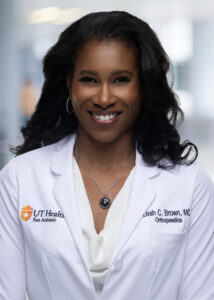
Brown said her background of elite athletics and military service helped shape her path to becoming a successful orthopaedic surgeon.
“Throughout my career, I’ve always expected a lot of myself and enjoyed working in high-pressure, team-based environments,” Brown said.
After earning her undergraduate degree in genetics, Brown sought another challenge that mirrored the intensity and camaraderie of her experience in collegiate athletics, which she found in both the military and medicine. In 1999, she joined the U.S. Navy and attended medical school at Ohio State University.
Medicine in the midst of conflict
In 2006, Brown was deployed as a medical aid station director during Operation Iraqi Freedom, and in 2012, she deployed to Afghanistan during Operation Enduring Freedom. She was awarded the Bronze Star, Meritorious Service Medal and Navy Commendation Medal during her service.
“My time in the military coincided with periods of active conflict, and I witnessed loss of life and loss of function. Those experiences reinforced the importance of high performance, teamwork, camaraderie and people working together toward a shared goal,” Brown said.
Her deployments also taught her profound lessons about humanity that ultimately shaped how she cares for patients.
“During those deployments, I cared for everyone — U.S. forces, NATO allies, civilians and even the opposition. We’re required to treat all patients, and that responsibility showed me people at their most vulnerable moments. When you talk to patients in those situations and hear their stories, it becomes impossible to ignore their humanity. Those experiences make it difficult to demonize what you don’t understand and helped me appreciate the complexity of human behavior,” she said.
Caring for elite athletes
In 2025, Brown joined UT Health San Antonio and was named head team orthopaedic surgeon for the San Antonio Spurs.
In her current role, Brown treats a wide range of patients, from recreational athletes to elite professionals, as well as individuals with sports-related injuries requiring surgery. With the Spurs, her focus is on injury management and prevention for some of the highest-performing athletes in the world.
“It requires a different level of nuance because the demands on their bodies are extreme. These athletes place tremendous loads on their bodies, and our goal is to make the right decisions so they can maintain their health and performance,” she said.
Success measured in recovery
Despite working with elite athletes, Brown said the most meaningful part of her career is helping any patient return to function and purpose.
“What brings me the most satisfaction is restoring someone’s function and seeing their success. In medicine, it’s always important to remember your ‘why.’ Medicine is always changing and evolving, and you have to evolve with it. Staying focused on your purpose helps keep you grounded as the profession changes,” she said.
Now beginning a new chapter in San Antonio, Brown said her commitment to service remains the same — whether on the battlefield, in the operating room or on the sidelines of an NBA court.
“I’m grateful to be here in San Antonio. This is a new chapter for me, and I look forward to serving the community in any way I can. I enjoy caring for patients and getting to know them as people, not just as cases,” she said.

To schedule an appointment with an orthopaedic specialist at UT Health San Antonio, call 210-450-9300.
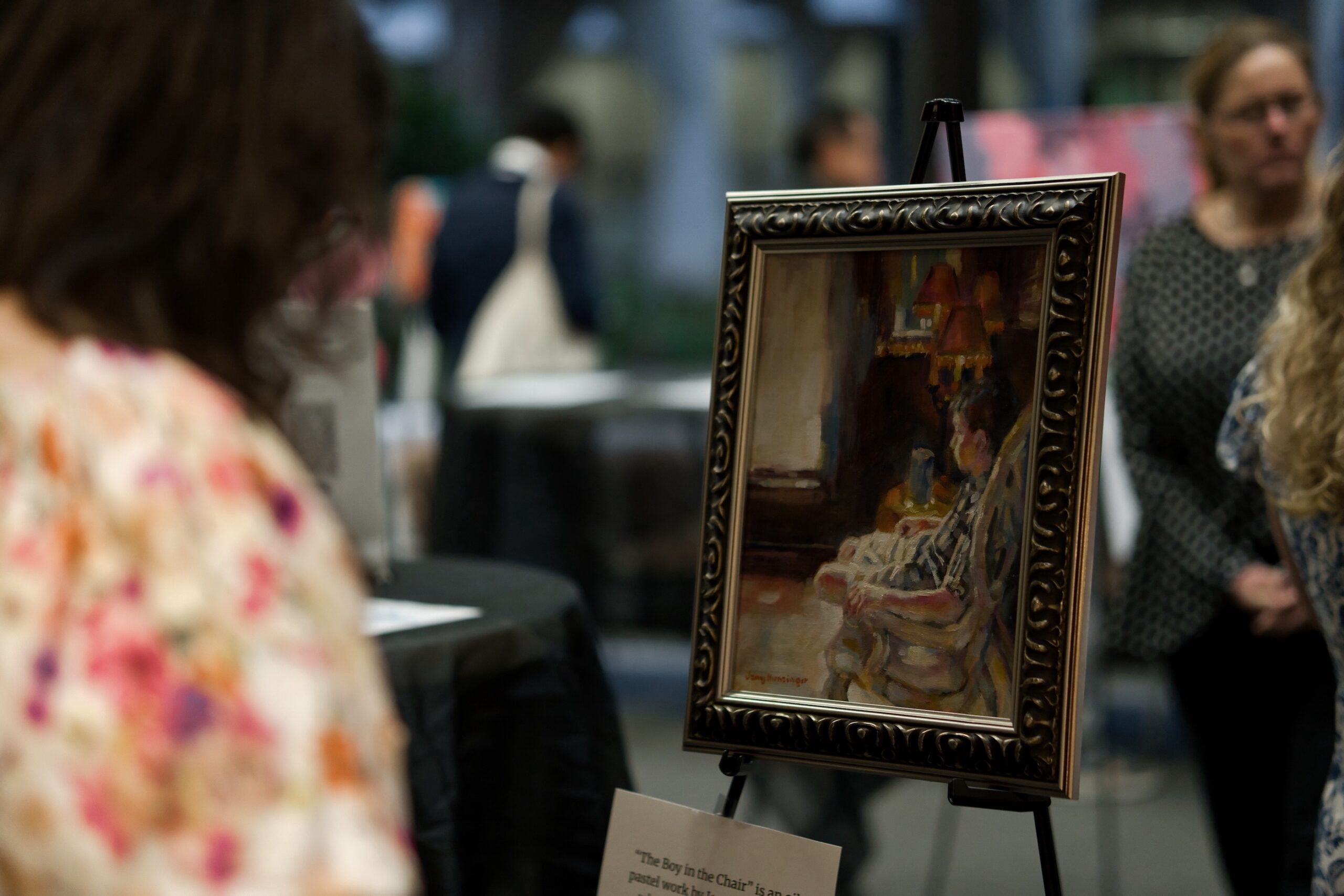
A night of healing through creativity and community
Music, movement and meaning filled the stage on Jan. 23 as students, faculty, staff and community members gathered for Night of the Arts, a student-led showcase celebrating the connections between art, medicine and healing.
The annual event highlights visual and performing arts while raising funds for the Student-Faculty Collaborative Practices (SFCP), a program that's part of the Charles E. Cheever Jr. Center for Medical Humanities and Ethics at the Joe R. and Teresa Lozano Long School of Medicine. In 2005, Richard Usatine, MD, professor in the Department of Medicine, established the university’s first student-run free clinic, and started Night of the Arts in 2006. For more than 20 years, SFCP has operated free medical clinics across San Antonio, providing care for underserved populations while offering hands-on learning opportunities for future health professionals.
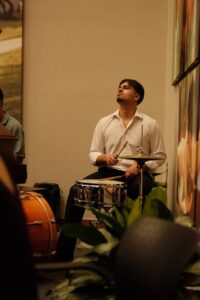
Celebrating the art of medicine
“Night of the Arts creates a space to honor artistry in medicine,” said Isabel Kilday, second-year medical student at the Long School of medicine and 2025-2026 president of the SFCP, who helped organize the event. “Quantitative skills, research skills and test-taking abilities are often more rewarded in medicine, but it is so important to make room for the humanities because it helps us to consider the ethics of what we are doing and the impact of our work. There are many aspects of human existence that cannot simply be fixed by a doctor or a drug.”
Proceeds from the evening directly support the six SFCP clinics serving diverse populations throughout the city: Travis Park and Haven for Hope, which provides dermatologic services; the San Antonio Metropolitan Ministries clinic for families experiencing homelessness; Alpha Home, a residential recovery center for women with substance use disorders; the Pride Community Clinic serving LGBTQ+ patients; and the San Antonio Refugee Health Clinic, which primarily serves Afghan refugees.
All clinics are staffed by volunteer medical students and physicians under faculty mentorship, and several operate with an interprofessional model offering volunteer opportunities for dental, nursing and other health professional students.
Learning through service
“Volunteering at the clinics is an amazing way for students to develop their clinical skills and gain hands-on experience,” Kilday said. “It’s very influential in our professional formation because we are prioritizing serving patients who need it most. We learn about the structural factors that limit access to care, and we learn from dedicated physicians who volunteer their time despite busy schedules to serve those most in need.”
She added that medical students often bring something invaluable to the clinic setting: time.
“We take very thorough histories and spend a lot of time with patients,” she said. “That is a resource medical students have that residents and faculty often have much less of. We can really get to know patients, listen to them, show empathy and understand them.”
The healing power of performance
The Cheever Center has long emphasized the importance of the arts and humanities in medical education, providing a home for students who are artistically inclined to explore how creativity intersects with healing.
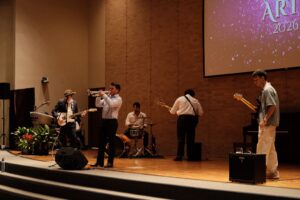
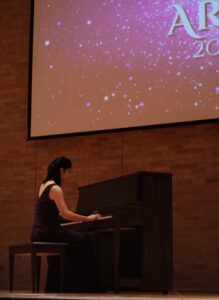
That spirit was on full display during the evening’s performances. The event opened with a silent auction featuring artwork created and donated by faculty, students and staff, followed by a buffet dinner provided by local businesses and vendors. Guests then enjoyed a full playbill of performances ranging from the School of Medicine rock band “Full Dose” to classical piano music and traditional Chinese dance.
Matthew Dacso, MD, MSc, director of the Cheever Center, said creating space for artistic expression is essential in medical training.
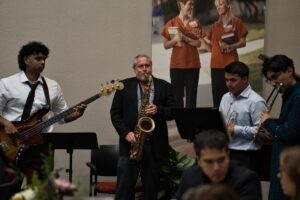
“I think events like this are extremely important because they give students an opportunity to engage a different part of their mind and brain,” he said. “They spend so much of their time in labs and classrooms, studying and working nonstop, and this gives them a chance to express themselves through art.”
Dacso, who has long balanced his medical career and his passion for music, played saxophone with Full Dose during the evening’s dinner and closed out the show with a a piano and vocal performance. He noted that many students across all health professions have deep connections to music and the arts that are important for them to hold onto.
“Creating opportunities like this is essential so they can continue to nourish that part of themselves and not lose it while they are learning how to become healers,” he said. “It also helps them take care of themselves. We always tell our students that there are many ways to heal. It’s not just about medicine or a stethoscope — music and art are among the most important ways we can help people heal.”
A night shared with the community
Community members served by the SFCP clinics were also invited to attend the event, including patients from Alpha Home and the San Antonio Metropolitan Ministries clinic.
Alpha Home, established in 1966, is the only women-specific long-term substance abuse recovery program in Bexar County. Since partnering with SFCP in 2005, UT Health San Antonio students and faculty have provided primary care, psychiatric services, physical therapy, women’s wellness exams and STI screenings for residents.
For many Alpha Home attendees, the evening was both emotional and affirming.
“It’s been an amazing night,” said J*, a resident of Alpha Home. “I love that we were given roses and had reserved seating up front. A lot of the performances have really moved me.”
Another attendee, L*, said it was fun seeing the students and doctors from the clinics perform.
“It’s great to see these doctors have an artistic side as well as compassion for the community,” she said. “We really appreciate the free clinic. Everyone is very knowledgeable and so caring and compassionate. I’ve been fortunate enough to do physical therapy and get services from the women’s wellness clinic. They’re all very kind and provide us treatment without any judgement. It’s really nice to see them tonight and that they’re here with the community.”
Another Alpha Home resident in attendance, B*, said the night offered a chance to connect with the students in a new way.
“The free clinics provide awesome care, and I think it’s a wonderful opportunity to just get out and see the students that work with us in a different light,” she said. “I used to dance, so I appreciated all the dance performances especially.”

Connection at the heart of care
For Esha Jampana, first-year medical student and incoming president of the SFCP, the evening reflected the deeper purpose of both the clinics and the arts.
“The arts can be such a healing process for so many people,” she said. “It’s also an act of bringing the community together, and that sense of connection is a big part of healing.”
She added that even first-year students can make a meaningful difference through presence and listening.
“Sometimes people just need someone to listen,” Jampana said. “Many times, that alone is a major part of the healing journey. That’s why events like this are so important. They bring people together, help them meet other like-minded individuals and provide a safe space for people, which makes it especially meaningful.”
*Full names are not disclosed to retain anonymity for Alpha Home residents.
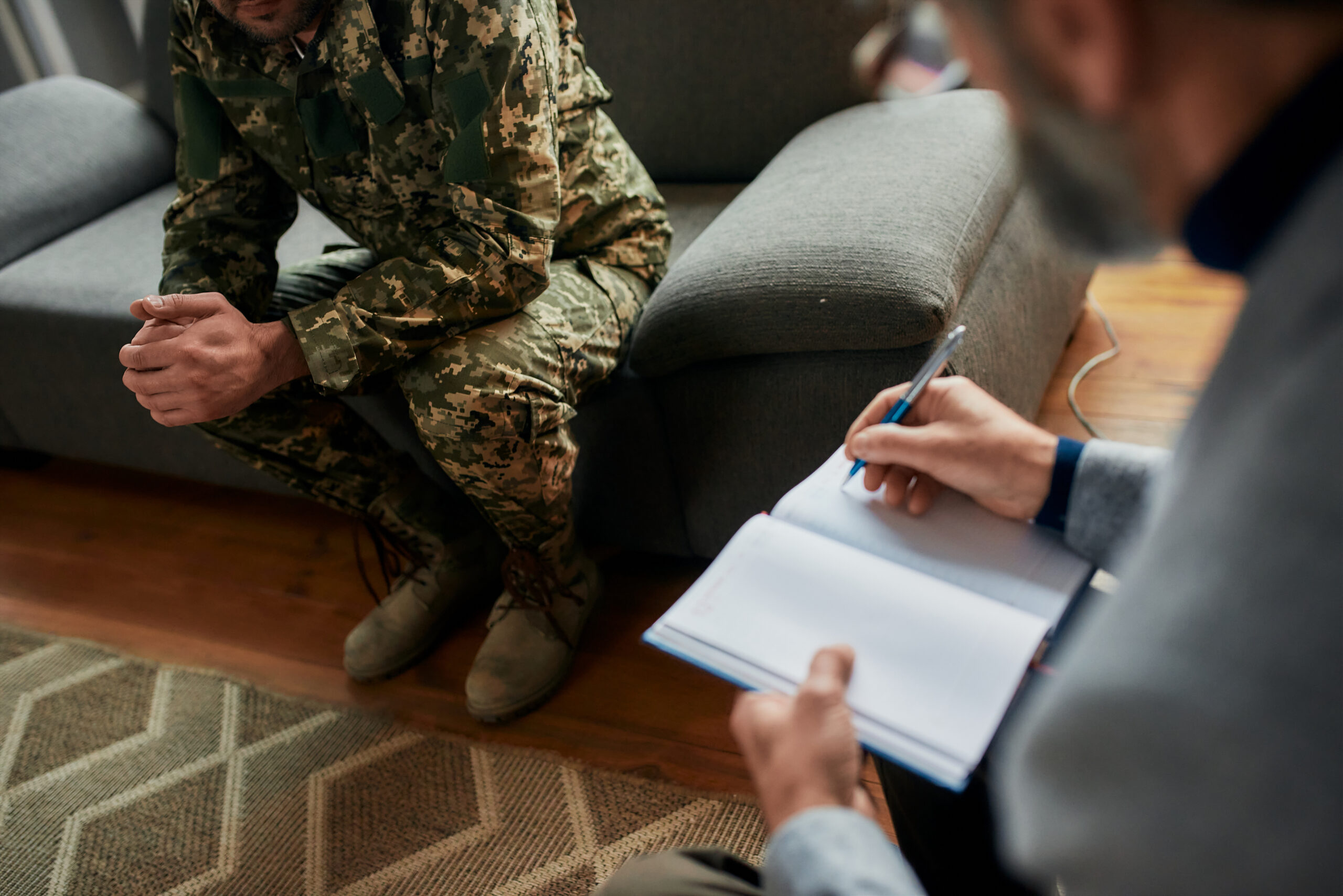
AI takes on suicide prevention
How new AI tools are advancing suicide prevention training
Artificial intelligence is stepping into one of the most sensitive areas of health care: suicide prevention. As part of the STRONG STAR Training Initiative, researchers are working with clinicians to evaluate how AI-based training tools can help build therapist confidence and skill when supporting individuals at risk for suicide. STRONG STAR is a national research network focused on finding the best preventions and treatments for psychological health issues affecting military members, veterans and first responders.
The project is supported through the Face the Fight initiative, funded by USAA, the Humana Foundation and Reach Resilience, to develop several AI-based training programs. Researchers from The University of Texas at San Antonio collaborated with Rush University to develop training programs using Socrates, an AI platform designed to help therapists practice the art of Socratic questioning, a therapeutic technique that helps individuals challenge rigid thinking and discover new perspectives.
Training with Socratic questioning
“Socratic questioning is one of the key mechanisms behind why treatments for PTSD and other mental health conditions work so well,” said David Rozek, PhD, ABPP, associate professor at UT San Antonio and senior scientific adviser of Face the Fight. “When people feel trapped in their own thinking, it can feel impossible to move forward. Socratic questioning helps them break that cycle and see more realistic possibilities they couldn’t see before — and that can change everything.”
Training therapists to use Socratic questioning effectively, Rozek noted, can be difficult, especially when working with individuals at risk for suicide.
“Socratic questioning is difficult even under the best conditions, and adding suicide risk can make it feel overwhelming for new clinicians.” Rozek said. “A tool that lets you practice, make mistakes and learn safely before you’re using it in the therapy room can make all the difference. That’s what these AI training tools could make possible. Even after training, it can remain a valuable tool to help us think through complex situations in our work.”
Enhancing traditional training with AI
In traditional therapist training, clinicians often attend a two-day workshop on new therapies followed by several months of consultation to support implementation — a process considered the gold standard. The AI-based approach adds another layer, with a virtual coach available around the clock to practice with, provide feedback and reinforce learning between sessions.
One AI-assisted training program, Socrates Coach, allows therapists to role-play scenarios with simulated individuals experiencing suicidal thoughts. Another AI-assisted training program, Socrates, flips the script, letting trainees adopt the patient role while the AI provides structured practice responses based on established therapeutic approaches. By reviewing how these practice conversations unfold, researchers can identify where interactions succeed, where they go wrong and how to refine both therapist training and AI-supported training tools themselves.
A safe place to practice high-stakes skills
Rozek said the AI tools can also help clinicians become more comfortable initiating difficult but essential conversations, such as talking about suicide, firearm safety or building crisis response plans. “Having those conversations can be intimidating, especially for newer clinicians,” he said. “AI provides a safe, low-pressure environment to practice and build confidence before they’re in the room with a real person.”
As of Oct. 9, more funding has been approved for two additional AI-based training tools through Face the Fight. One will prepare clinicians to have respectful, supportive and effective conversations about firearm safety and secure storage, which is a critical area of focus given that firearms are used in approximately 72% of veteran suicides and more than half of suicides nationwide. The second will guide the development of crisis response plans, which help individuals manage overwhelming stress and build problem-solving skills.
Simulated conversation builds clinician confidence
The feedback on the training so far has been overwhelmingly positive. Clinicians report that being able to train anytime, across a wide variety of scenarios, makes the experience both accessible and effective.
The platform also allows customization of the characteristics of the AI-simulated individual. Characteristics like age, race and gender can be adjusted to support training across a wide range of scenarios. Clinicians can also select from a broad range of traumatic events for the AI-simulated patient, from car accidents to combat exposure, as well as fictional scenarios to reflect the types of challenges they commonly encounter in their work. All practice scenarios are fictional, and no personal or identifiable patient information is entered into the system.
“When I think back to being an early-career clinician, I remember how stressful it was trying something new that I’d just learned in training,” Rozek said. “As an early-career clinician, a tool like this would have changed everything for me. Being able to practice in private, without fear of judgment, accelerates learning in a way I wish I had access to. You can just focus on mastering the skill.”
Maintaining safety
While using AI in mental health training does come with challenges, Rozek emphasized that sensitivity and safety are the top priority when developing this kind of technology.
“Strong safety guardrails that are reviewed and updated by clinical experts are built into the programs from the start and continuously refined,” he said. “Like any new training tool, it is not perfect yet. Socrates and Socrates Coach may occasionally miss nuances that an experienced clinician would catch, but the goal here isn’t to replace human training or supervision — it’s to strengthen it. The opportunity now is to learn where these tools fit safely and how they can help clinicians build confidence and skill as they deliver the highest-quality, evidence-based care to their patients.”
Veteran focus with wide impact
While Face the Fight is primarily a veteran-focused initiative, its impact extends beyond military populations. The training incorporates common experiences among veterans, such as trauma and suicidal ideation, but is designed for community clinicians, not those working exclusively with veterans or active-duty members. “Our military and veteran communities continue to drive important advances in suicide prevention,” Rozek said. “The progress we make with veterans and military personnel lifts the whole system. Every skill we strengthen, every tool we improve, helps clinicians provide better care to anyone who walks through their door.”

‘Sometimes it’s something’
Routine dental visit leads to life-saving cancer diagnosis
Angel Inocencio never expected a routine dental cleaning to change his life. At 31, with no family history of cancer and no obvious symptoms, the last thing on his mind was a serious medical diagnosis. But thanks to his dentist’s keen eye, he received the urgent care he needed in time.
During a routine appointment, Inocencio’s dentist noticed a lesion on the far back of his tongue in an area that was difficult to see on his own. Though Inocencio said he never felt any pain, he later realized subtle signs had been present all along.
“When I would eat something, I was always having to clear my throat,” Inocencio said. “Like every time for about 20 minutes after I ate anything. I was also having these stomach problems, but it never really dawned on me like, hey, this is not normal. I guess I just kind of adapted to that feeling.”
Initially, Inocencio had dismissed the only visible sign — a small canker sore. So, when his dentist said it could be a sign of cancer and urged him to get the lesion checked out, the news came as a shock.
“To be told such drastic news, I was definitely blindsided and just very taken aback, considering that I am pretty young,” he admitted. “But I was very glad that my dentist put that sense of urgency to get it looked at because it’s super important.”
An unexpected diagnosis
Inocencio recalls nervously waiting to be seen by a specialist after his dentist initially found the lesion.
“It was a very tough time for me,” he said. “I didn’t know what to think. Like, is it treatable? What if I do have it? What if I don’t and I’m just psyching myself out? Am I terminal? What stage is it? Your mind just races through all kinds of things when you get told that you might have cancer.”
When he was examined by a specialist at the Mays Cancer Center, home to UT Health San Antonio MD Anderson Cancer Center, Inocencio was diagnosed with Stage 2 oral cavity squamous cell carcinoma, a relatively rare occurrence for someone his age.

“Angel definitely doesn’t fit the stereotype of a head and neck cancer patient,” said Inocencio’s surgeon, Jay Ferrell, MD, associate professor of head and neck surgery in the Department of Otolaryngology and director of the Division of Head and Neck Surgery at The University of Texas Health Science Center at San Antonio. “But our understanding of who develops this type of cancer is starting to change.”
No prototypical patient
Head and neck cancers are the sixth most prevalent form of cancer in the United States, and squamous cell carcinoma accounts for over 90% of oral cavity malignancies.
Ferrell explained that, historically, head and neck cancers were viewed as a lifestyle disease. The condition has typically been linked to heavy tobacco use and drinking and is most often seen in men over the age of 55.
“It may not be the first thought in a healthy 30-something-year-old that a lesion in the mouth could be cancer. But we're actually seeing increased rates of oral cavity cancers even in nonsmokers and younger people, and we don’t entirely know yet why that is,” Ferrell said.
“It’s important to recognize that there is no prototypical head and neck cancer patient. This is no longer just relegated to elderly people who smoke; it can happen in people in the prime of their lives who don’t have those traditional risk factors.”
What to watch
Oral cancers usually present as a sore or lesion on the tongue or other part of the oral cavity that doesn’t heal and becomes painful as it grows deeper into the nerves, Ferrell explained. However, sometimes it can be as subtle as a discoloration of the tongue, like a raised white or red patch.
“Interestingly, Angel didn’t experience much pain, which was overall good for him because this type of cancer is notoriously painful due to the tongue’s rich nerve supply,” Ferrell said. “So, if you notice discoloration or a sore that doesn’t heal over a few weeks and keeps getting bigger, or there’s a spot in your mouth that bleeds repeatedly when brushing, you should bring that to your physician’s attention,” he advised.
Surgery and reconstruction
Surgery is the mainstay of treatment for most oral cavity cancers. Inocencio underwent what is known as a partial glossectomy, a removal of the tumor with a sizeable resection from his tongue. During the procedure, Ferrell also removed several lymph nodes from Angel’s neck, which were clear of cancer.
For reconstruction, skin and fascial tissue from the undersurface of Inocencio’s forearm, along with the tissue’s associated vascular supply, were transplanted and grafted to replace the removed section of his tongue. Forearm skin was chosen because its thin and pliable texture closely resembles that of the tongue, explained Ferrell.
Next, a skin graft from Inocencio’s thigh was used to repair the forearm.
As with any cancer, early detection is key, said Ferrell. He notes that treating an early-stage cancer like Angel’s that hasn't moved into lymph nodes or into other parts of the body provides about a 50% higher survival rate at two to five years after treatment compared to someone who finds the cancer later.
Advocating for awareness
At four months after surgery, Angel was back at work and grateful for a return to normal life. The likelihood of his cancer returning is now very low.
“Even in Angel’s case, which thankfully has a very favorable prognosis, we monitor him closely with in-person head and neck examinations and imaging every three months,” said Ferrell.
While head and neck cancer is notorious for recurrence and can be challenging to treat long-term, Ferrell said Inocencio’s risk of recurrence is relatively low compared to patients diagnosed at more advanced stages with concurrent spread of the cancer to lymph nodes in the neck.
“With these more advanced cases, it is still possible to effect a durable cure, but it often requires more aggressive treatment, including radiation and chemotherapy after major surgical resections,” Ferrell said.
Inocencio now advocates for regular dental visits and encourages others not to ignore unusual symptoms, no matter how minor they may seem.
“Don’t be afraid to get seen by a professional,” Inocencio urged. “Let them do their job, and they’ll tell you if something is unusual. Be on top of your oral health and get it checked out because you just never know. It’s worth the little bit of stress of going to the dentist. I’d rather know than not know because they said that it could have been there for about a year, and I had no idea. It’s not always nothing, right? Sometimes it’s something.”
Learn more about Mays Cancer Center’s head and neck cancer program.
Learn about a promising new drug, CICD99, and how it could revolutionize oral cancer treatment and potentially save lives.

Night of the Arts: Inspiring healing beyond medicine
The Night of the Arts is more than just a fundraising event — it is a celebration of the arts and community, all for a good cause. The annual student-led event returned this year after a five-year hiatus due to the COVID-19 pandemic, bringing together performances from students, faculty, staff and professional performers and fostering a sense of unity while generating support for vital health care services in the community.
Held on Jan. 24 at the Holly Auditorium, the evening kicked off with a silent auction featuring works of art created and donated by faculty, students and staff, as well as a buffet dinner generously provided by local businesses and vendors. Attendees were then treated to a full playbill with performances ranging from classical string quartet pieces by the San Antonio Philharmonic Orchestra to energetic salsa dance routines by the Fuego y Agua dance troupe.
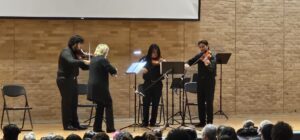

Supporting free health care for the community
Proceeds from Night of the Arts directly benefit the Student Faculty Collaborative Practice, a program out of the Charles E. Cheever Jr. Center for Medical Humanities and Ethics. This program operates free medical clinics across San Antonio. These clinics, led by students under faculty mentorship, provide much-needed health care while offering hands-on learning experiences for future health care professionals.
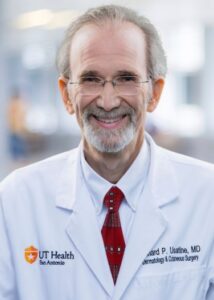
Richard Usatine, MD, professor in the Department of Medicine at the Joe R. and Teresa Lozano Long School of Medicine, established the university’s first student-run free clinic in 2005 and the Night of the Arts in 2006.
“The arts and humanities are an integral part of the Cheever Center, and it’s also something that is near and dear to my heart,” Usatine said. “As the faculty founder of the free clinic program, I felt strongly about using art, music and performance as a way to bring people together in our community to bring awareness to our clinics to help donate to their funding. But it has always been, first and foremost, an event that builds community.”

Patients from the student-run clinic at Alpha Home were invited to attend the event, complete with VIP treatment and front-row seating. Alpha Home is a non-profit, long-term substance abuse recovery center established in 1966. Alpha Home has had a partnership with the Student Faculty Collaborative Practice since 2005, when Usatine first established the free clinic (subsequently named the Usatine Wellness Center in his honor by Alpha Home). Alpha Home is the only women-specific drug treatment program in Bexar County and draws clients from all over the state.
“The impact of this partnership is one of the most valuable resources that Alpha Home has to offer our clients,” said Liza Jensen, LCSW-BCD, chief executive officer of Alpha Home. “Clients can receive needed medical care while remaining in a secure residential setting while they work through their drug and alcohol addiction. The care they receive at the clinic also helps to reduce the expenses associated with emergency room visits. For many of these women, this is the first time they have had wellness evaluations.”
The UT Health San Antonio medical students, residents, fellows and faculty provide a full range of care for women at Alpha Home including primary care, psychiatric care, physical therapy, women’s wellness exams and STI screenings.
The transformative power of the arts
For the university’s medical students, an event like Night of the Arts not only strengthens their ties to the community, but also provides them with a creative outlet. Engaging with the arts can offer relief from the intensity of medical training while also encouraging skills such as empathy, collaboration and connection — all of which are vital for patient care. Participation in the student-run free clinic program is an elective course offered through the Cheever Center, which emphasizes ethics, culture and the arts as essential aspects of holistic healing.
Sara Joshi is a second-year medical student who provides health care at the free practice. She also served as a student organizer for this year’s event and has seen first-hand how having experiences with fine arts can be therapeutic for the patients at Alpha Home.
“It's a different way for them to engage their mind — not necessarily as a distraction, but as something new that can occupy their thoughts in a meaningful way,” Joshi said, noting that for many of the women, this is their first time seeing live string quartets, ballet dancing and other types of fine arts performances. “The arts can be used as a more holistic aspect of care. It’s not necessarily curative, but it can be mood-altering, perception-shifting — something that changes the way a person experiences life,” she said.
Isaac Johnson, another second-year medical student who helped organize the event, emphasized the event’s role in building community.
“It’s exciting that it’s back after the pandemic hiatus because it will allow future classes to continue this tradition or build on it — raising money, of course, but also strengthening the sense of community. It fosters relationships between patients, students and faculty, which I think is really valuable,” Johnson said.
Beyond its social impact, Johnson also spoke to the deeper healing power of the arts.
“Medicine is great at identifying what enzyme isn’t functioning properly or which gene is mutated, but at the end of the day, it can only do so much,” he said. “The arts — whether it’s music, painting or writing — help patients process emotions, find meaning and heal mentally and emotionally, sometimes even physically. So, I think the arts can play an essential role in medicine and patient care.”
Healing impact
The event had a particularly profound impact on the women of Alpha Home who were in attendance.
“A client cried during the Adele song ‘Hold On’ performed by staff member Trisha Trainum. I think the message about holding on resonated with her. Another client mentioned that she had never heard a piano piece like the Franz Liszt performance by student Jonathan Qi,” Jensen reported. “One of the clients told me that no one had ever given her a flower before, and she held on to the rose that Dr. Usatine gave her like it was the most precious thing in the world.”
Exposure to the arts and opportunities to build community in safe, substance-free environments play a crucial role in the healing process for the women of Alpha Home. Experiencing live performances, creative expression and a sense of belonging can help these women reconnect with themselves and envision new possibilities for their lives.
“One of the reasons that Night of the Arts is so important is that many individuals who have a substance use disorder do not know how to spend their leisure time without the use of substances,” Jensen said. “This event introduces classical music and dance, hobbies such as pottery, photography and painting, and many other creative and cultural experiences to our women.”
As Night of the Arts made its much-anticipated return, it reaffirmed its place as a tradition that not only raises funds for vital health care services but also enriches the community, offering students, staff, faculty and patients a night of inspiration, connection and healing.
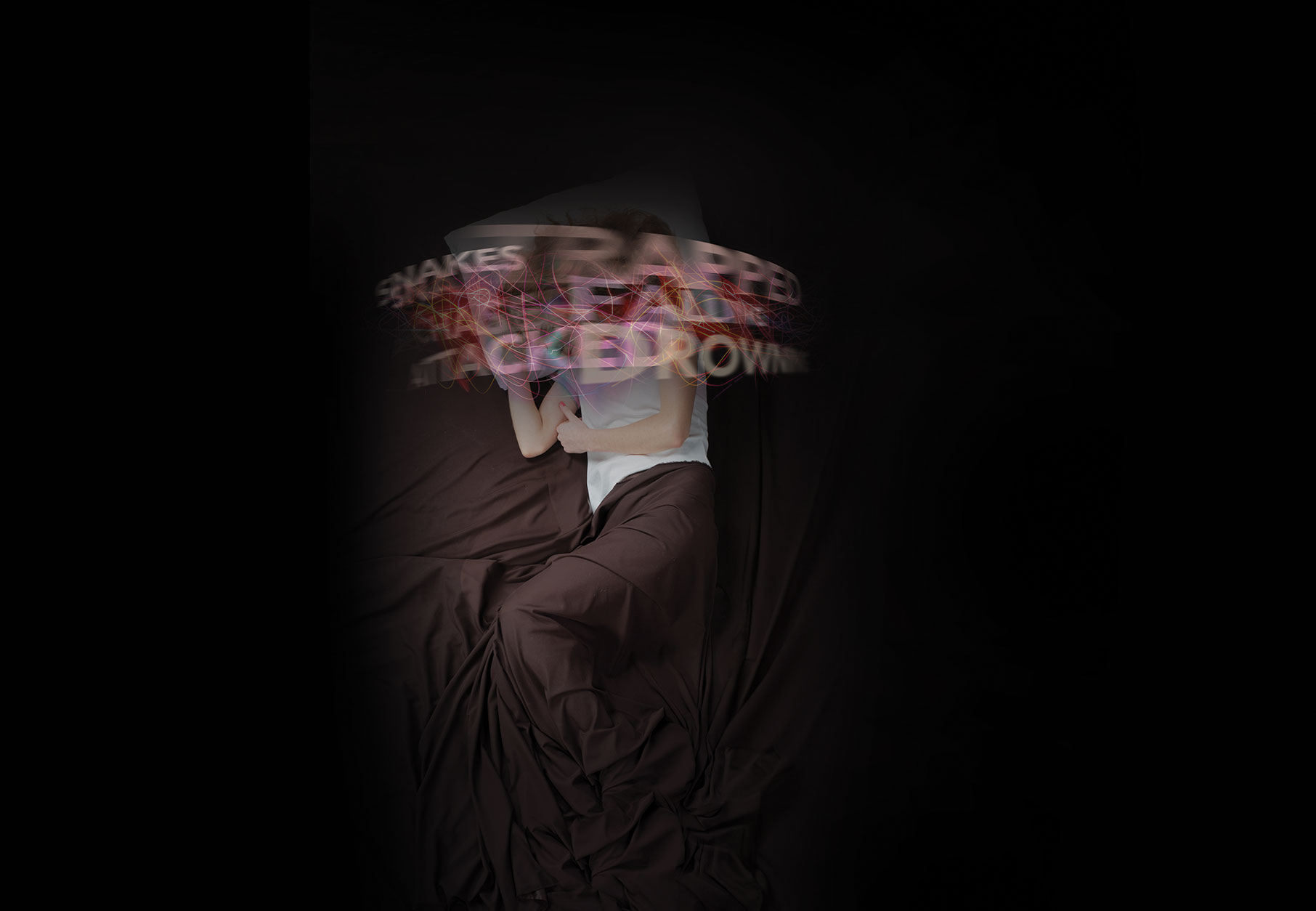
Fending off the shadows: Using cognitive behavioral therapy to manage nightmares
A new cognitive behavioral therapy-based training is helping providers help patients manage their nightmares
For most, having a nightmare is rare. While frightening when they occur, most people are not debilitated by the experience. But for those who suffer from persistent nightmares, the adverse effects can turn their waking lives into a bad dream.
What is a nightmare?
While there is debate in the field of sleep science on exactly how to define it, a nightmare is typically identified as a dream that causes distress to the point of awakening and is remembered by the dreamer, explained Kristi Pruiksma, PhD, associate professor in the Department of Psychiatry and Behavioral Sciences at The University of Texas Health Science Center at San Antonio. Pruiksma is a clinical psychologist and researcher whose work focuses on supporting the dissemination of evidence-based treatments for sleep disorders and post-traumatic stress disorder.
Likewise, there is no definitive explanation for why we dream. One theory is that when we sleep, the emotion and memory centers of the brain are doing a lot of work and processing. At the same time, the part of the brain that organizes information is partially offline and picks up on this activity.
“So, the frontal lobe is half asleep, but still picking up on all this firing and activity, and it needs to process that and make a story out of it,” Pruiksma said. “But with a nightmare, something gets stuck. The brain is trying to process something it doesn’t understand, but something’s going wrong to the point where it’s causing the awakenings.”
Bad dreams, bad health
Frequent nightmares not only affect sleep, but also impact a wide range of health outcomes. Patients often experience symptoms such as concentration problems, irritability and chronic pain, as well as depression, anxiety and other mental health issues. For those already dealing with daytime symptoms of PTSD, like flashbacks or intrusive memories, lack of sleep from nightmares makes their symptoms even more difficult to manage.
“Individuals who have frequent nightmares, some have them every night, don’t get that chance to escape and rest and restore,” Pruiksma said, noting that insomnia goes hand in hand with nightmares, as many patients report resisting sleep due to fear of having a nightmare.
“Some patients engage in avoidance strategies like trying to stay up as late as possible or drinking a lot of water at night so that they have to wake up to use the bathroom instead of being woken up from a nightmare,” said Pruiksma. “They might also turn to alcohol or other substances, but all of these coping efforts just make sleep problems worse in the long run, which may actually increase the chances of having more nightmares.”
Web-based training for providers
Treatment options for nightmares remain an area in need of more research, but patients are often offered a modified version of insomnia treatment focused on therapy methods rather than medications. In clinical practice, cognitive behavioral therapy for nightmares (CBT-N) has proven to be highly effective. However, access to appropriate CBT-N training for behavioral health providers has been limited — until now.
Pruiksma, along with a team of collaborators, has created a series of free, CBT-N web-based video training modules that can be widely accessed by providers everywhere. (Visit cbtnightmares.org to register for the training modules.)
“Any provider anywhere who has access to the internet can go through these training sessions to learn how to implement this therapy,” Pruiksma said. The modules are self-paced and interactive, with videos demonstrating what a therapy session might look like. The website also provides resources available to download, including manuals and handouts that offer tips for handling a variety of patients and different presentations of symptoms.
Unique military population
The training module project is affiliated with the STRONG STAR Consortium, which is funded by the U.S. Department of Defense to develop interventions for and treatment of combat-related PTSD and related conditions in active-duty military personnel and recently discharged veterans.
STRONG STAR, or the South Texas Research Organizational Network Guiding Studies on Trauma and Resilience, is a national research group led by The University of Texas Health Science Center at San Antonio that brings together the expertise of military, civilian and VA institutions and investigators from across the country.
While Pruiksma’s research has mainly focused on military personnel — a uniquely affected population that experiences higher rates of sleep disorders such as insomnia and nightmares, as well as higher rates of PTSD — the video training is designed to be relevant for a wider audience. It provides recommendations for how to treat people in and out of the military who experience trauma, as well as those with idiopathic nightmares, or nightmares that aren’t related to a stressful event, Pruiksma explained.
“Most people have had some degree of trauma at some point in their lives, but this training is really for anybody who is having nightmares, whether trauma-related or not,” she said.
Flipping the script
Cognitive behavioral therapy (CBT) is a type of psychotherapy that helps patients become aware of and change harmful or unwanted thoughts, emotions and behaviors. Considered the gold standard for several mental health issues including depression, anxiety, insomnia and substance use disorder, CBT has also proven to be a highly effective treatment for nightmares.
“When CBT is used for the treatment of nightmares, therapists are working with patients to examine and change thoughts about sleep and nightmares, unhelpful daytime behaviors and sleep habits,” said Pruiksma.
CBT methods to treat nightmares involve relaxation training for the patient and exposure to their worst nightmares through writing, describing them in detail. Therapists then guide patients to identify and name the important themes within their nightmare and then write a new script for their nightmare based on that theme, giving them a new story with a different ending.
“Patients may have the same nightmare over and over, or nightmares that vary but follow the same theme over and over. It’s like a truck going down a muddy road, and every time it drives on the road, the ruts in it get deeper and deeper,” Pruiksma explained.
“The idea is that we’re starting to create a new path for the mind to drive on. They don’t necessarily go on to dream the new dream, but something happens to the nightmare. The brain doesn’t go down that track anymore, or if it does, it’s not as severe.”
Most patients who undergo this intervention do see changes in their nightmares and their sleep, Pruiksma said. For some of the best-case scenario patients, they stop having nightmares altogether. Others report experiencing fewer nightmares or a greater ability to go back to sleep and have a regular dream. With improvement to the frequency and severity of their nightmares, patients can get better sleep, leading to improvements in how they feel during the day and reducing symptoms of depression and PTSD.
“Through this kind of treatment, patients have more understanding of why they’re having nightmares and feel less alone,” Pruiksma said. “They feel like they have more control over their lives in some way, which is an important outcome — to have the tools that can empower them to take control of their health.”
Leading the way in PTSD and brain injury research
STRONG STAR, or the South Texas Research Organizational Network Guiding Studies on Trauma and Resilience, brings together the expertise of military, civilian and VA institutions and investigators from across the country. In a recent round of grant awards, the U.S. Department of Defense selected the STRONG STAR Consortium for a total of $17 million in funding to launch eight new research projects focused on traumatic brain injury and psychological health. 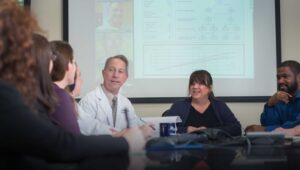
“As a group, these new projects will help us better understand and better assess, treat and prevent chronic problems with the two signature wounds of post-9/11 wars — traumatic brain injury and post-traumatic stress disorder — along with a variety of related conditions that stem from them or that contribute to their complexity,” said Alan Peterson, PhD, professor of psychiatry and behavioral sciences at UT Health San Antonio and director of the STRONG STAR Consortium.
“Some of these related conditions are suicide risk, sleep disorders and chronic pain, including post-traumatic headache, or chronic headaches that develop from or worsen following a traumatic brain injury,” said Peterson. The new studies will address these problems through a variety of approaches as part of six randomized clinical trials, one treatment development project and one longitudinal follow-up project with previous research participants.
Long School of Medicine’s class of ‘24 celebrates Match Day
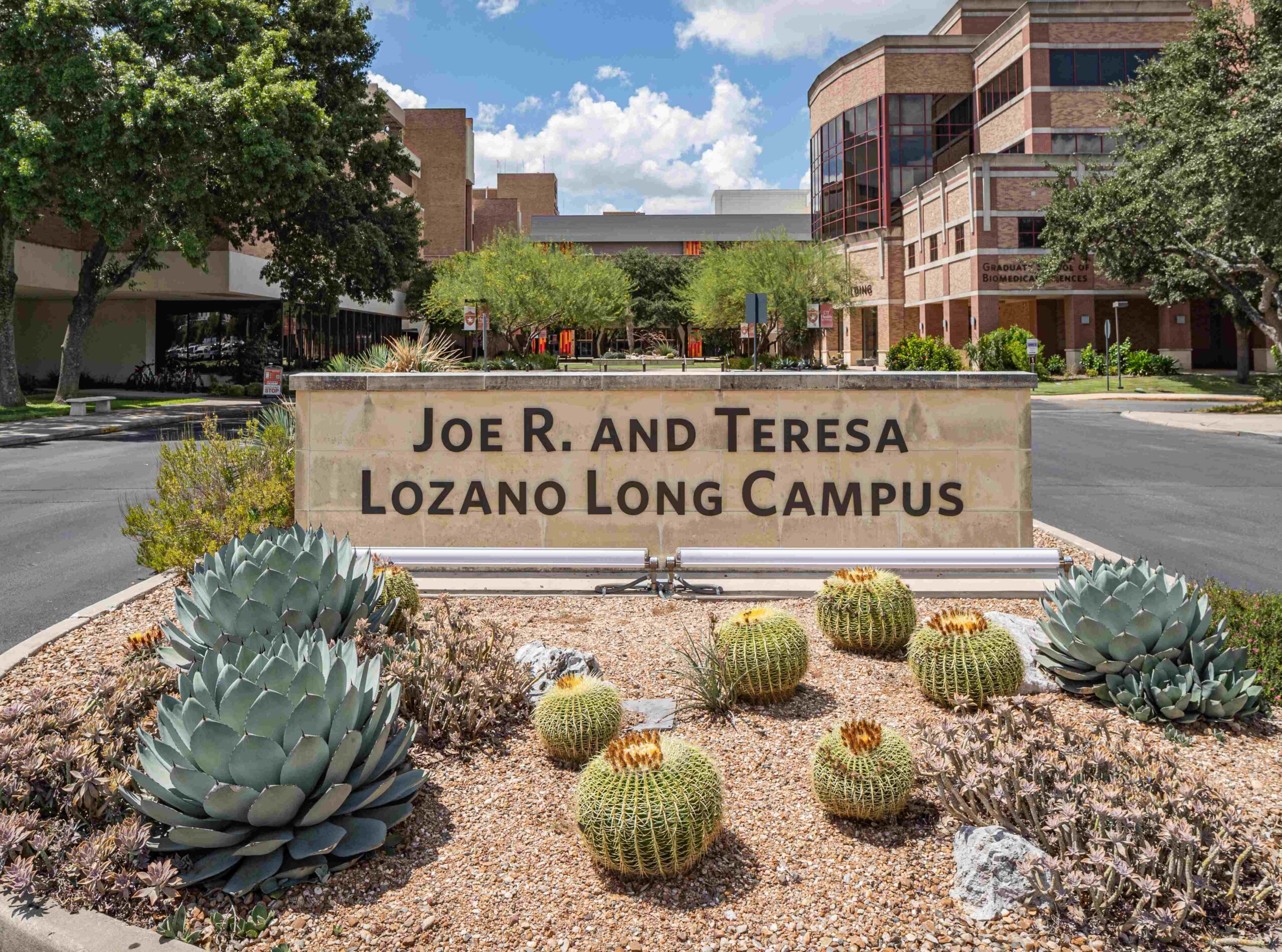
On a cloudy backdrop of an early spring day in San Antonio, fluctuating between comfortably cool and a-bit-too warm — a day of transition — more than 200 senior students from the Joe R. and Teresa Lozano Long School of Medicine announced to their families, fellow students and mentors about the next stage of their career in medicine.
Match Day, held this year on March 15 at the Chicken N Pickle restaurant, is the day medical students learn where they will go for their residency after graduation.
This year’s ceremony, while celebratory, held extra space for reflection and grief after the unexpected passing of UT Health San Antonio president, William Henrich, MD, MACP, who died the day before.
“Dr. Henrich was a leader, a mentor, a friend, an exceptional physician and teacher, and he was really the best of all of us. We know that Dr. Henrich is here today with us in spirit as he was so many times over the years in body and heart,” said Deb Conway, MD, vice dean for undergraduate medical education, before leading a moment of silence.

The future of Texas physicians
The class of 2024 saw a 99% overall match rate to residency programs of their choice. San Antonio will keep 22% of those matched graduates, who matched to local programs, bolstering the health care workforce in Bexar County and the region.

Of the matched students, 60% matched to Texas programs, helping to meet the state’s critical need for quality physicians, and 40% matched to primary care specialties including internal medicine, pediatrics and family medicine. After primary care, other top specialties included psychiatry and anesthesiology.
Words of wisdom
In his remarks to the crowd, Robert Hromas, MD, dean of the Long School of Medicine, urged students to never stop learning.
“This is not the end, but merely the beginning for you. Medical science saves lives, and in the 40 of 50 years of your career, you’re going to see advances that astound you. Never stop learning, because the minute you stop learning, you stop growing.”
He also advised to expect the unexpected and expect disappoint. “You are going to lose patients because that’s the nature of life,” he said. “Celebrate the births, celebrate the victories, make memories, because they help you get through the hard times. Don’t let disappointment stop you.”
To get through the hard times, Hromas emphasized the importance of the support of colleagues and loved ones and working as a team.

“Medicine is football, not golf. You are part of a team,” he said. “And the single most important member on that team is sitting here today with you. It’s your family. You must have your family, they’re the center, they hike the ball. Caring for your family is the same as caring for your patient.”
In his final point of imparted wisdom, Hromas spoke of the importance of mentorship.
“We all stand on the shoulders of someone who taught us. Each of you is here because some faculty said I believe in you. They taught you not only their knowledge, but their values and how they care for patients,” he said. “For me, that mentor was Bill Henrich. He believed I could be a dean when no one else did. I stand on his shoulders, just like all of you stand on someone’s shoulders. Never get so big or so smart or so wealthy that you forget that you are there as a gift from someone else.”
With that, the matching commenced, and the class of 2024 began the next step of their journey in medicine.
The Long School of Medicine congratulates its newly matched senior students!

Growing city, expanded patient care
To meet the needs of San Antonio’s growing population, UT Health San Antonio continues to expand its patient care services. San Antonio is one of the largest and fastest-growing cities in the U.S. and added more than 13,000 residents between 2020 and 2021.
With recent and forthcoming additions to primary care, specialty services, oral health care and cancer therapy, as well as a first-of-its-kind multispecialty and research hospital, patients throughout the community and across the region won’t have to go far to receive the care they need, said UT Health San Antonio President William L. Henrich, MD, MACP.
“The addition of several new programs and clinics being built in strategic locations where the population is rapidly growing will provide a full continuum of services for multiple conditions,” he said. “And our new hospital will further enhance UT Health San Antonio’s ability to build an integrated and comprehensive care model to serve patients more effectively.”
Major growth initiatives:
UT Health Multispecialty and Research Hospital