

Research
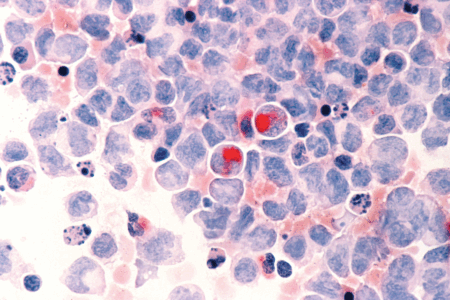
Gene-mutation pathway discovery paves way for targeted blood cancer therapies
July 30, 2025
About 30% of people with myeloid malignancy diseases have a mutation in a gene called tet methylcytosine dioxygenase 2 (TET2). This gene is known to have a tumor-suppressive function. “There currently is no specific, targeted treatment or therapy for these TET2-mutated cancers. This pathway opens a door for targeted therapeutics and targeted prevention,” said Mingjiang […]
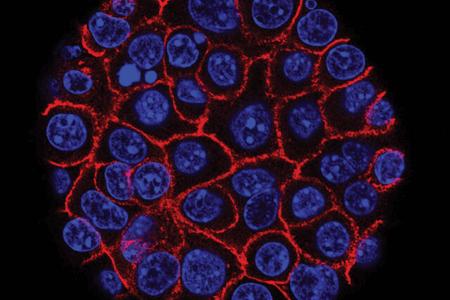
UT Health San Antonio creates innovative method for advancing understanding of pancreatic cancer
July 30, 2025
“Learning how to prevent cancers from happening or figuring out how to stop them in their early stages is potentially more important than treatment itself. For pancreatic cancer, the biggest problem is that we find the cancer too late.” – Pei Wang, PhD, associate professor in the Department of Cell Systems and Anatomy at UT […]

A year of transformative progress
May 13, 2023
UT Health San Antonio’s Joe R. and Teresa Lozano Long School of Medicine Dean Robert Hromas, MD, identifies four areas of focus of the Mays Cancer Center in its quest to end cancer for communities in South Texas and beyond.
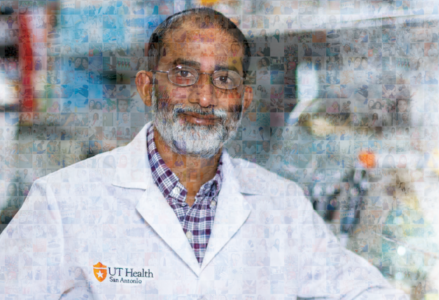
The biology of cancer
May 13, 2023
Mays Cancer Center researchers are making significant strides in understanding risk factors and conditions that cause cancers to develop and progress and assessing impacts on the health and recovery of patients with cancer.

Promising compound kills range of hard-to-treat cancers
May 13, 2023
Ratna Vadlamudi, PhD, a professor of obstetrics and gynecology at the Mays Cancer Center, is researching compounds that can target cancer cells to stop their growth.

New discoveries in pediatric cancer research
May 13, 2023
The findings from recent research studies in pediatric cancer offer hope for drug development.

Disparities discussed at San Antonio Breast Cancer Symposium
May 13, 2023
Researchers from the Mays Cancer Center at UT Health San Antonio presented results of multiple lines of study during the San Antonio Breast Cancer Symposium, operated in conjunction with the American Association of Cancer Research.
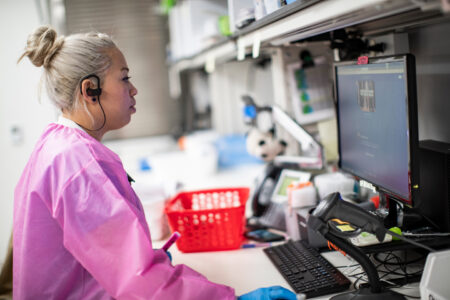
How COVID-19 vaccines affect patients with cancer
May 13, 2023
Mays Cancer Center researchers are studying how the immune system responds to the novel coronavirus vaccine in patients with cancer, and why many Black patients with cancer experienced significantly worse outcomes after COVID-19 diagnosis than non-Hispanic white cancer patients.
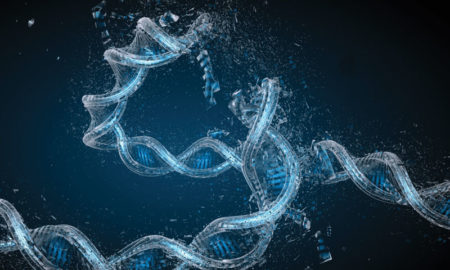
Uncovering Repair Mechanisms to Fix DNA Double-Strand Breaks
July 21, 2021
Researchers at the Mays Cancer Center are studying the most toxic and carcinogenic kind of DNA damage — DNA double-stand break which can be caused by radiation used to kill cancer cells. Their findings can lead to new more effective treatments.
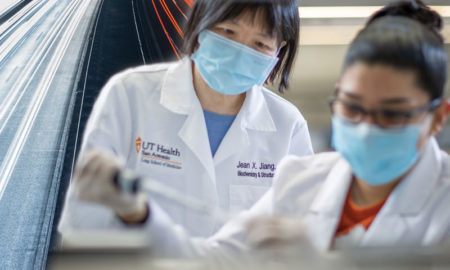
Groundbreaking Work on Connexins Leads to Potential Breast Cancer Drug
July 21, 2021
Jean Jiang, PhD, and her team of researchers are building on their innovative discoveries on connexin channels by developing custom antibodies to stimulate the opening of hemichannels in bone cells to protect skeletal tissue from the invasion of breast cancer cells.
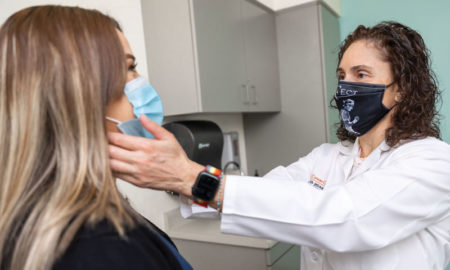
Anti-Depressant Drug Offers Hope to Treat, Prevent Breast Cancer
July 21, 2021
A discovery in the research lab of Manjeet Rao, PhD, has led to a clinical trial — conducted by physician-scientist Virginia Kaklamani, MD, DSc — repurposing imipramine, a drug originally designed to treat depression, to determine if the drug not only treats but also prevents breast cancer.
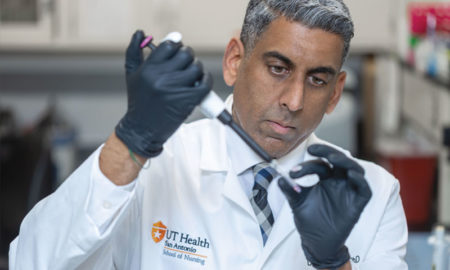
Studying Cork Tree Extract and Exercise as Treatments for Prostate Cancer
July 21, 2021
Darpan Patel, PhD, and lead investigator A. Pratap Kumar, PhD, studied amurense, an extract from the bark of the Amur cork tree native to China, in mouse models to determine its potential as a therapeutic in treating prostate cancer. Research proved it is just as effective as exercise in preventing the progression.