Global rankings underscore the commitment of university investigators to improve health through discovery
The recent integration of The University of Texas Health Science Center at San Antonio and The University of Texas at San Antonio joined two Carnegie R1 universities — the highest designation for research activity reserved for the top 5% of research institutions in the United States. The new UT San Antonio merges deep expertise in biomedical and health professional education, research and clinical care with excellence in engineering, artificial intelligence, cybersecurity, business, education and the liberal arts.
The combined university also brings together more than $486 million in annual research expenditures, which helps to drive San Antonio’s $44.1 billion healthcare and biosciences industry. These research investments translate into new medications, treatments and therapies that directly benefit patients and families.
UT San Antonio’s Health Science Center, the region’s only academic health center, ranked in the top 2.4% of universities worldwide in the 2025 Center for World University Rankings, reaffirming its position as a global leader in biomedical discovery and innovation. It ranked 84th out of 5,868 healthcare institutions worldwide and 38th in the United States in the 2025 Nature Index of healthcare institutions for research output. This places the institution among the top 2% of healthcare institutions globally.
In the past five years, the university’s academic health center has conducted more than 600 clinical research projects leading to advancements in the treatment of cancer, aging-related diseases, Alzheimer’s and other neurodegenerative diseases, infectious diseases, mental health, substance use disorders, cardiovascular disease and metabolic diseases including diabetes.
The highlights that follow provide a glimpse of the broad and impactful work of investigators from across the institution to discover and test new therapies, prevent and treat disease and preserve and improve health across the lifespan.
Compound derived from chili peppers has anticancer effects
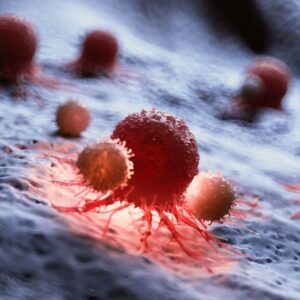 Researchers from the School of Dentistry and UT Health San Antonio’s Center for Innovative Drug Discovery have discovered a promising compound called CIDD99 to treat human papillomavirus-negative oral squamous cell carcinoma, a form of oral cancer that is notoriously aggressive, painful and difficult to treat. The five-year survival rate hovers around 50%, and treatments have changed little in the past half-century. Derived from capsaicin, the spicy compound found in chili peppers selectively blocks calcium signaling in cancer cells by targeting a protein that is overexpressed in tumor cells but not in healthy tissue. Early tests in animal models showed that CIDD99 reduced tumor volumes fivefold, with no observable side effects. Early results also suggest this compound may have broad applicability in multiple cancer types, including lung, breast, prostate, brain and endometrial cancers.
Immune resilience may increase lifespan
A study from the Long School of Medicine identifies immune resilience — how the body counters disease drivers — as a measurable, adaptable trait that supports healthy aging. Analyzing data from more than 17,500 people, researchers found that individuals with high immune resilience at age 40 lived an average of 15.5 years longer than those with low resilience. This advantage disappeared by age 70, suggesting the trait may be modifiable until that point. The team pinpointed a key marker of resilience linked to better health, stronger vaccine responses and lower disease risk. The findings highlight a shift from treating disease to strengthening the body’s inherent capacity for health through lifestyle, medications or future immunotherapies.
Tai chi meets scientific rigor to transform health
 University researchers are using reflective markers to analyze how tai chi affects balance, coordination and joint load. For older adults or those with knee osteoarthritis, certain movements enhance mobility while others may increase joint stress. This work contributes to the growing field of integrative medicine, which combines conventional care with evidence-based complementary therapies to improve health and reduce reliance on medication. One promising focus explores tai chi’s potential to reduce fall risk in older adults with dementia by targeting both mobility and cognition. The team is also developing AI tools that use motion and health data to create personalized tai chi regimens, tailoring treatment for each patient’s needs.
New criteria could provide early warning of Type 2 diabetes
A first-of-its-kind study challenges conventional thinking about the onset of Type 2 diabetes, identifying a risk category before prediabetes called “preprediabetes.” The study suggests that changes in the body that lead to Type 2 diabetes occur long before current diagnostic thresholds for prediabetes are met and found that one measurement — one-hour glucose levels during an oral glucose tolerance test — is far better at predicting future disease than the current two-hour glucose test. The researchers believe that, especially for high-risk patients and those with family histories of diabetes or cardiovascular disease, early screening and treatment could dramatically reduce rates of progression to prediabetes and Type 2 diabetes.
A psychedelic drug may help treat military members with PTSD
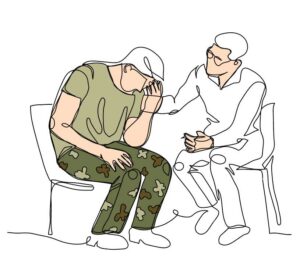 UT San Antonio researchers, in collaboration with Emory University, received a $4.9 million grant to test whether combining MDMA, also known as ecstasy, with therapy can improve recovery rates for posttraumatic stress disorder. Clinical trial participants will receive either a single dose of MDMA or a placebo early in treatment alongside intensive Prolonged Exposure therapy, which helps patients safely process traumatic memories. Researchers hope the drug’s properties will enhance therapy effectiveness, leading to greater symptom relief, reduced depression and suicidal ideation and improved readiness and relationships. If successful, the approach could revolutionize PTSD treatment in military and veteran health systems, where Prolonged Exposure therapy is already a standard of care.
Targeted drug offers hope for treatment of liver disease
San Antonio and South Texas have among the nation’s highest rates of obesity and diabetes, which is a major risk factor for metabolic dysfunction-associated steatotic liver disease, or MASLD, a chronic condition in which fat that builds up in the liver can lead to inflammation and damage. A study co-led by university researchers identifies a promising new drug candidate that could slow MASLD progression and prevent cirrhosis and liver cancer. The novel drug is a senolytic, a therapy that targets and eliminates senescent, or “zombie,” cells that drive inflammation and tissue damage. The drug works by degrading two proteins that help these harmful cells survive without the toxic side effects of previous senolytics. This discovery could represent a major step toward effective treatment for MASLD, addressing a critical unmet medical need in liver health.
Researchers identify novel drug target for AML
Despite advances in treatment, acute myeloid leukemia, or AML, still has a five-year survival rate of only about 30%. Researchers from the Long School of Medicine and Mays Cancer Center have identified a key driver of the disease, a protein called paraspeckle component 1 that is not needed for normal blood cell development but is essential for AML progression. When this protein was suppressed in human AML cells and mouse models, cancer cell growth decreased, and normal blood cell production was unaffected. Because this protein is overexpressed in AML and in 21 other cancer types, this finding could pave the way for new targeted therapies with broad applications across oncology.
For more stories and in-depth coverage of the life-saving and life-changing research being conducted at the UT San Antonio Health Science Center campus, visit Newsroom.